
Safeguarding Your Baby’s Diet: Foods to Avoid at Different Ages

Hey there, fellow parents and caregivers! As your little one grows, their curiosity about the world of food is bound to increase, and so does your desire to introduce them to a variety of flavors and textures. However, it’s essential to be aware of the foods that might not be suitable for your baby at different stages of their development. In this comprehensive guide, we’ll explore what to avoid feeding your baby, from birth to 12 months and beyond, while also touching on the introduction of potential allergenic foods. So, grab a cup of tea, and let’s embark on this journey of culinary caution together.
Understanding Age-Appropriate Feeding
Babies go through various developmental stages, and their nutritional needs change as they grow. It’s crucial to provide them with foods that align with their developmental milestones. Let’s break it down by age:
Foods to Avoid: Birth to 6 Months
During the first six months of your baby’s life, their primary source of nutrition should be breast milk or formula. Avoid introducing solid foods during this time as their digestive system is not ready.
Foods to Avoid: 6 to 12 Months
As your baby progresses into the 6 to 12 months age range, you’ll want to be cautious about the following foods:
- Honey: Honey can contain spores of Clostridium botulinum, which can lead to botulism in babies under one year old.
- Cow’s Milk and Soy Milk: Stick to breast milk or formula until your baby’s first birthday. These milk alternatives contain proteins and minerals that are not suitable for infants.
- Fruit Juice and Sugar-Sweetened Beverages: These are not recommended for children under 12 months. They lack essential nutrients and can contribute to weight gain and tooth decay.
- Unpasteurized Foods: Avoid unpasteurized juice, cider, or dairy products, as they may contain harmful bacteria.
- Added Sugars: The USDA and DHHS advise avoiding added sugars in the diets of children under age 2. Check food labels for “Added Sugars” content.
- Too Much Sodium: Children at this age don’t need more than 1,200 mg of sodium per day. Check labels when buying canned and packaged foods.
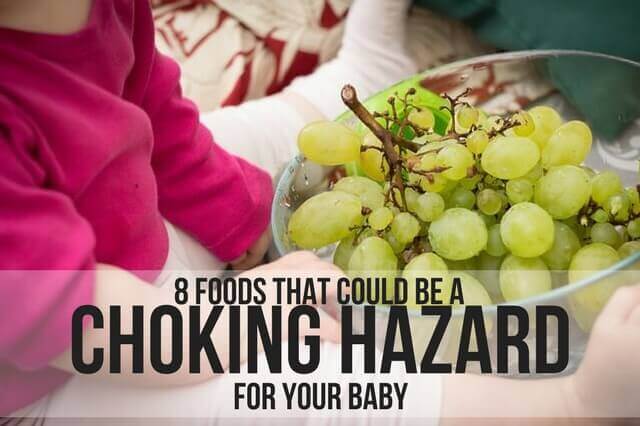
- Choking Hazards: Foods like grapes, hard candies, nuts, popcorn, and seeds pose a choking hazard. Cut them into small, manageable pieces.
- Sticky Foods: Foods like gum, dried fruit, and marshmallows can get lodged in your baby’s throat.
- Nut Butter: Peanut and other nut butters can be too thick for your baby to swallow. Thin them with water or applesauce.
Foods to Introduce with Caution: Allergenic Foods
Traditionally, there was advice to delay the introduction of allergenic foods, especially if your baby was at risk for allergies. However, this guidance has evolved. Here’s what to consider:
- Introduce Allergenic Foods: Studies show that delaying allergenic foods might not prevent allergies and could even increase the risk. Introduce allergenic foods like eggs, milk, peanuts, wheat, soy, tree nuts, fish, and shellfish.
- Introduce One at a Time: To monitor for allergic reactions, introduce new allergenic foods one at a time and wait three to five days between each.
- Consult Your Doctor: If allergies run in your family or your baby has eczema, consult your doctor for the best strategy for introducing allergenic foods.
Conclusion: A Nurturing Food Journey
In the grand adventure of parenthood, nourishing your baby is a central theme. Understanding what foods to avoid at different ages is a crucial aspect of ensuring your child’s well-being. Each baby is unique, and their dietary needs may vary, so always consult with your pediatrician for personalized guidance.
Remember, this journey is not just about feeding; it’s about exploring flavors, fostering healthy habits, and sharing love through the magic of food. Here’s to raising healthy, happy eaters!
Share This Story, Choose Your Platform!


Latest Post


Latest News To Your Inbox
Subscribe to hear about our latest blog posts, competitions and special offers.