
Introducing the Sippy Cup: A Parent’s Guide
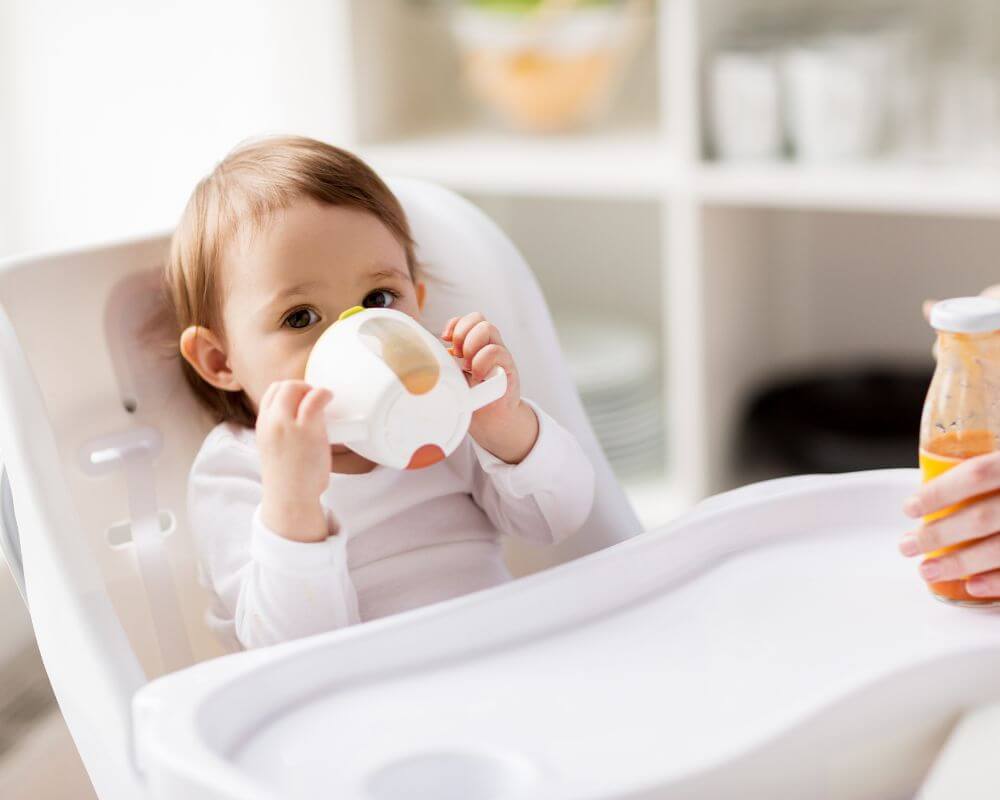
Hey there, fellow parents! Today, I’m excited to chat with you about a milestone that’s not only adorable but also quite practical – introducing the sippy cup to your little one. It’s one of those exciting steps towards independence, but it’s essential to get the timing and technique right. So, let’s dive into the world of sippy cups like friends sharing parenting tips over a cup of tea.
Introduction
Ah, the sippy cup – that tiny vessel that marks a significant transition in your baby’s life. It’s the bridge between bottle and regular cup, and it’s a big deal for both you and your little one. In this comprehensive guide, I’ll walk you through when and how to introduce a sippy cup, so you can navigate this transition smoothly.
When Is the Right Time to Introduce a Sippy Cup?
The timing for introducing a sippy cup can vary from baby to baby, but here are some general guidelines:
Around 6 Months
- Start Around Six Months: This is typically the age when babies begin to experiment with new feeding experiences beyond breast or bottle.
- Solid Food Introduction: As you start introducing solid foods, it’s a good time to introduce a sippy cup for water.
Around 12 Months
- By Their First Birthday: Most babies are ready for a sippy cup by their first birthday. By this age, they can usually sit up, hold objects, and have better control over their mouth and tongue.
- Transitioning from a Bottle: If your baby is still using a bottle, you might want to start transitioning to a sippy cup around 12 months to help avoid prolonged bottle use.
Choosing the Right Sippy Cup
When it comes to selecting the perfect sippy cup for your baby, there are a few factors to consider:
Type of Spout
- Soft Spout: Mimics the feel of a bottle nipple and is a good choice for younger babies who are transitioning.
- Hard Spout: Offers more durability and is suitable for older babies who have already used a soft spout.
- Straw Spout: Encourages a more natural sipping motion. Some babies prefer this style.
Material
- Plastic: Lightweight and durable, but choose BPA-free options.
- Silicone: Soft and safe for teething babies.
- Stainless Steel: Durable and eco-friendly but heavier.
Size
- Small: For younger babies who are just starting to use a sippy cup.
- Larger: As your baby grows, you can switch to a larger size with more capacity.
How to Introduce the Sippy Cup
Now that you’ve chosen the right sippy cup, let’s talk about how to introduce it effectively:
Step 1: Start Slowly
- Offer Water First: Begin by offering a sippy cup with a small amount of water during mealtimes.
- Be Patient: Your baby might be curious or hesitant. Let them explore the cup at their own pace.
Step 2: Demonstrate
- Show How It’s Done: Demonstrate sipping from the cup yourself. Babies often mimic what they see.
- Encourage Play: Let your baby play with the cup to get familiar with it.
Step 3: Gradual Transition
- Mix with Bottle or Breast: Initially, you can offer both the bottle and the sippy cup. As your baby becomes comfortable, gradually reduce bottle feedings.
Step 4: Offer Variety
- Experiment with Different Liquids: Besides water, you can introduce breast milk or formula in the sippy cup.
- Try Different Temperatures: Offer drinks at various temperatures to see what your baby prefers.
Common Challenges and Solutions
Introducing a sippy cup can sometimes come with challenges:
Refusal to Use
- Solution: Be patient and persistent. Offer the sippy cup consistently, and your baby will adapt over time.
Spillage
- Solution: Opt for spill-proof sippy cups with valves. Teach your baby to sip, not suck, to minimize spills.
Attachment to the Bottle
- Solution: Gradually reduce bottle feedings and offer the sippy cup during your baby’s favorite meal or snack.
Sippy Cup Safety Tips
Safety is paramount when introducing new feeding tools to your baby. Here are some essential safety tips:
- Regular Cleaning: Thoroughly clean the sippy cup after each use to prevent bacterial growth.
- Check for Wear and Tear: Regularly inspect the cup for signs of wear, including cracked spouts or loose parts.
- Supervise Use: Always supervise your baby while they’re using a sippy cup to prevent accidents.
Conclusion: Cheers to Sippy Cup Success!
Introducing a sippy cup is a significant milestone in your baby’s journey towards independence. While it may take some time for your little one to adjust, be patient and supportive throughout the process. Remember that every baby is unique, and what works for one may not work for another. So, raise that sippy cup, and here’s to many happy and hydrated moments with your growing baby!
Share This Story, Choose Your Platform!

Latest Post


Latest News To Your Inbox
Subscribe to hear about our latest blog posts, competitions and special offers.