
Put Sleeping Baby in Crib without Waking Them Up

If you’ve ever tiptoed across the nursery holding your breath, only for your baby’s eyes to snap open the second their back touches the mattress, you’re not doing anything wrong. This is one of the most common frustrations new parents talk about, and there’s a proper reason it happens. Once you understand what’s going on in your baby’s brain during those last few minutes before “true” sleep, the whole thing gets a lot less mysterious, and a lot more manageable.
Worth saying upfront: you cannot spoil a newborn by holding, rocking or soothing them to sleep. Cuddling your baby while they drift off supports their development and helps build attachment. There’s no need to feel guilty about it, even if you’re doing it several times a day.
Why Babies Wake the Second You Put Them Down
The short answer is that your baby probably wasn’t as deeply asleep as they looked. To understand why, it helps to know a bit about how sleep actually works, both for you and for them.
How adults sleep
When you fall asleep, you move fairly quickly into deep, non-REM sleep. Your breathing slows and evens out, your muscles go properly limp, and you become genuinely hard to wake. After roughly an hour, you cycle into REM sleep, where your brain is more active, your eyes flick around under your eyelids, and you might shift position or pull the duvet up without ever properly waking. These cycles repeat all night, so even though it feels like one long, unbroken sleep, you’re actually moving between lighter and deeper stages the whole time.
How babies sleep (and why it’s so different)
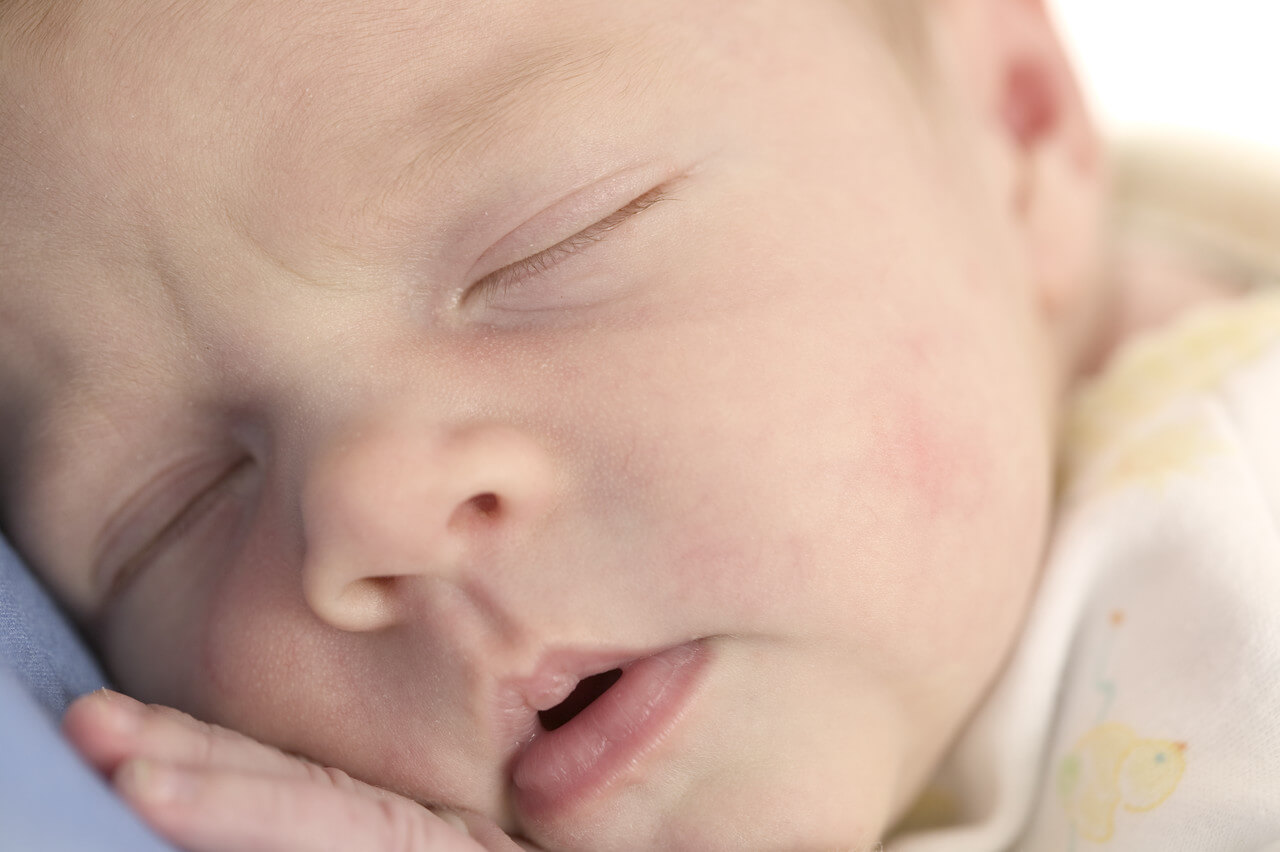
Babies don’t get the luxury of dropping straight into deep sleep. They pass through a much lighter, more fragile stage first, often called active sleep. During this stage you’ll see fluttering eyelids, irregular breathing, little startles or twitches, a fleeting smile, or even sucking motions as if they’re still feeding. It looks convincingly like sleep. It often isn’t, not the kind that will survive a transfer to the crib, anyway.
In newborns and young babies, it typically takes somewhere around 20 minutes for this light, active sleep to give way to deep sleep, the stage where they’re genuinely hard to disturb. As babies get older, this transition tends to happen faster. On top of that, a baby’s whole sleep cycle is much shorter than an adult’s, roughly 45 to 60 minutes compared to our 90, which means they surface into a lighter, more easily woken state far more often. If nothing bothers them at that point (no hunger, no wet nappy, no sudden noise or drop in temperature), most babies will settle themselves back down within about ten minutes. If something does disturb them, that’s when you get the full waking and crying.
None of this is a flaw. Sleep researchers generally think babies are built this way for good reason: waking easily in the early months means they’re more likely to rouse if something’s wrong, which is a useful survival trait, even if it’s exhausting for you.
How to Actually Get a Sleeping Baby Into the Crib
You can’t force a baby into deep sleep faster than their brain is ready for, but you can stack the odds in your favour. Here’s what tends to work.
1. Set the room up before you even start
Do the settling groundwork in advance rather than trying to sort it out with a baby in your arms. Dim the lights, get the room to a comfortable temperature (around 16 to 20°C is the usual guideline, though check what your health visitor recommends for your baby), and have your baby already dressed appropriately for sleep. If you use white noise or a particular routine, start it before you begin the final feed or cuddle, so it becomes part of the wind-down rather than an afterthought.

2. Watch the eyes and limbs, not just the face
Fluttering eyelids and a slightly open mouth usually mean your baby is still in that lighter, active stage. Wait until their eyes have properly stilled, breathing has become slow and even, and their body feels heavy rather than tense. The floppy limb test is a genuinely useful trick here: gently lift an arm or leg a few centimetres and let it drop. If it flops down loosely with no resistance and no stirring, you’re much more likely to be dealing with deep sleep. If the limb stays where you left it, or there’s any tension, give it another minute or two.
3. Slow the transfer right down
Speed is the enemy here. Lower your baby into the crib as slowly as you can manage, keeping your body close to theirs for as long as possible rather than holding them out at arm’s length. Try to put the bottom down first, then the head, and keep one hand resting gently on their chest or back for a minute or two once they’re lying down. That steady, familiar pressure often stops the “startle and wake” reflex that kicks in when contact disappears too abruptly.
4. Try a warm sheet
Cold sheets are a common reason babies jolt awake the instant they’re laid down, especially in winter. A popular trick is to warm the crib sheet with a hot water bottle or heat pack for a few minutes beforehand, then remove it completely before your baby goes in, so there’s no risk of overheating or burns. A crib that feels close to the temperature of your arms is far less of a shock to the system.
5. Be patient, and expect some trial and error
Some days it will take two minutes. Other days it will take twenty, and your baby will startle the moment you shift your weight. That’s normal, particularly in the first three or four months when your baby’s needs are highest and their ability to self-settle is still developing. Keep your phone or a book nearby for the long stretches, and don’t take it personally when it doesn’t work first time. This phase genuinely does pass as babies mature and spend less time in that light, easily disturbed sleep stage.
A Word on Safe Sleep
Whatever settling method you use, it’s worth keeping the basic safe sleep guidance in mind: babies should always be put down on their back, on a firm, flat mattress, with no loose bedding, pillows, cot bumpers or soft toys in the space they sleep in. Most health bodies, including the NHS, recommend room-sharing (baby sleeping in a cot in your room) for at least the first six months, rather than bed-sharing, as it’s linked to a lower risk of sudden infant death syndrome. If you’re ever unsure about your baby’s sleep set-up, or you’re considering something like co-sleeping or a floor bed, it’s worth talking it through with your midwife, health visitor or GP first, since the right approach can depend on your baby’s age, health and your own family circumstances.
If your baby seems to actively dislike the crib itself, rather than just resisting the transfer, it might be worth reading our piece on why babies hate cribs and what you can do about it, which looks at some safer alternatives and adjustments.
Have you found a trick that reliably gets your baby into the crib without waking them? Share what’s worked for you in the comments, other tired parents will thank you for it.
For more related articles, read our other posts:
Share This Story, Choose Your Platform!


Latest Post


Latest News To Your Inbox
Subscribe to hear about our latest blog posts, competitions and special offers.