
Is exercising while pregnant healthy?
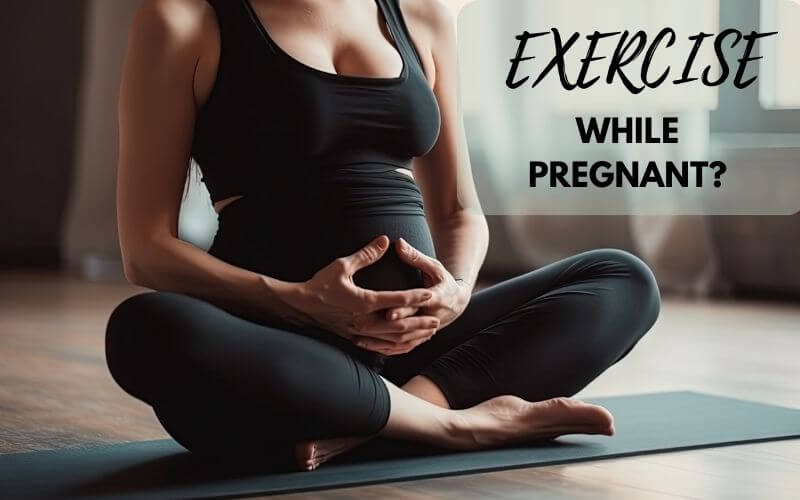
Is Exercising While Pregnant Healthy?
Short answer: yes, for most women, staying active during pregnancy is not just safe but genuinely good for you and your baby. The old advice to put your feet up and rest for nine months has been replaced by something much more useful: move your body, in the right ways, at the right intensity, and you’ll likely feel better, sleep better and recover faster afterwards. That said, “most women” isn’t “all women”, so this article will also cover who needs to be more careful and what to watch out for.
As always, check with your GP, midwife or obstetrician before starting or continuing an exercise routine once you’re pregnant. They know your medical history, your pregnancy, and any risk factors that might change the advice below.
What the evidence actually says
Major health bodies, including the NHS and the American College of Obstetricians and Gynecologists, recommend around 150 minutes of moderate intensity activity a week for pregnant women without complications. That works out to roughly 20 to 30 minutes most days. Moderate intensity means you can still hold a conversation but you’d struggle to sing. If you’re gasping for breath, you’ve probably gone too hard.
Research consistently links regular prenatal activity with a lower risk of excessive weight gain, gestational diabetes, and pregnancy-related high blood pressure. It’s also associated with less lower back and pelvic pain, better mood, and improved sleep. None of this means exercise guarantees an easier pregnancy or labour, but the odds tend to be better for women who stay active compared with those who are largely sedentary.
The real benefits, explained properly
- Mood and energy: Exercise triggers the release of endorphins, which can genuinely help with the mood swings that come from shifting hormone levels. Even a brisk 20-minute walk can lift a flat mood.
- Fewer aches: As your bump grows, your centre of gravity shifts and your posture changes. Strengthening your core, back and glutes can ease the lower back pain and pelvic discomfort that many women get in the second and third trimesters.
- Better blood sugar control: Regular movement helps your body use insulin more effectively, which is part of why it’s linked to a lower risk of gestational diabetes.
- Easier labour, sometimes: Staying fit doesn’t guarantee a short labour, but good stamina and strong pelvic floor and core muscles can help you cope with the physical demands of pushing and recovery.
- Quicker postpartum recovery: Women who stayed active in pregnancy often find it easier to rebuild fitness afterwards, partly because they haven’t lost as much muscle tone or cardiovascular fitness in the first place.
Common myths worth clearing up
“Exercise will hurt the baby”
For a healthy, low-risk pregnancy, moderate exercise doesn’t harm the baby. Your baby is well cushioned by amniotic fluid and the uterine wall. What matters more is avoiding activities with a high risk of falls or abdominal impact, and not letting your core body temperature get too high (more on that below).
“You shouldn’t start exercising if you weren’t doing it before”
Pregnancy is actually a reasonable time to start, as long as you begin gently. Walking, swimming and prenatal yoga are all sensible starting points for someone who wasn’t active beforehand. Build up gradually rather than jumping into anything intense.
“No lifting, ever”
Light to moderate strength training, using dumbbells, resistance bands or bodyweight, is generally fine and can help with posture and joint support. The advice against heavy lifting is really about avoiding straining, breath-holding (which spikes blood pressure), and very heavy loads, not about giving up weights altogether.
“Exercise causes miscarriage”
There’s no good evidence that moderate exercise increases miscarriage risk. Miscarriage in the first trimester is most often related to chromosomal issues, not physical activity. High-impact or contact activities carry other risks (falls, trauma) which is why they’re generally advised against, rather than because gentle movement itself is dangerous.
When exercise needs a rethink
Exercise isn’t automatically recommended for everyone. Your midwife or doctor may advise against it, or suggest only very gentle movement, if you have:
- Certain heart or lung conditions
- Placenta praevia after 26 weeks
- A history of preterm labour or premature rupture of membranes in this pregnancy
- Pre-eclampsia or pregnancy-induced high blood pressure
- An incompetent or “weak” cervix
- Unexplained bleeding at any point
- Severe anaemia
This isn’t a complete list, so always mention your full medical history at your booking appointment and any follow-ups.
Stop and get medical advice straight away if you notice
- Vaginal bleeding or fluid leaking
- Chest pain or a racing heart that doesn’t settle
- Dizziness, faintness or feeling unusually short of breath
- Severe headache
- Calf pain or swelling in one leg (this can signal a blood clot)
- Contractions or tightening that doesn’t ease with rest
- A noticeable reduction in your baby’s movements
None of these mean panic, but they do mean stop exercising and contact your midwife, GP or maternity unit for advice rather than waiting to see if it passes.
Safety guidelines that actually matter
Skip the heart rate zones
Older advice used to fix a maximum heart rate for pregnant women to exercise safely under. That’s now considered too blunt, because fitness levels vary so much. A better guide is the “talk test”: if you can hold a conversation but not sing, you’re in a sensible zone. If you can’t get a sentence out, slow down.
Watch your body temperature
Overheating, particularly in the first trimester, is one of the genuine concerns with prenatal exercise. Avoid hot yoga, hot Pilates, exercising outdoors in extreme heat, and long sessions in saunas or hot tubs. Wear breathable clothing, exercise in a cool space, and drink water regularly.
Be careful with your position
From around 16 weeks, avoid lying flat on your back for exercises, as the weight of the uterus can press on major blood vessels and reduce blood flow to you and the baby. Most prenatal exercise classes will automatically modify these moves for you, using an incline or side-lying position instead.
Mind your joints
The hormone relaxin loosens your ligaments in preparation for birth, which means your joints are more mobile and more prone to injury during pregnancy. This is a good reason to avoid deep stretching, bouncing movements, and high-impact sports like running on hard surfaces or contact sports such as football or hockey.
Avoid activities with a fall or impact risk
Skiing, horse riding, gymnastics, contact sports, and scuba diving are generally advised against during pregnancy, either because of the risk of falling or abdominal trauma, or because of pressure changes affecting the baby (scuba diving specifically).
Stay hydrated and don’t skip meals beforehand
Pregnancy increases your fluid needs anyway, and dehydration during exercise can bring on dizziness, headaches, and even contractions in some cases. Have a small snack an hour or so before exercising if you’re prone to low blood sugar.
How your routine might change trimester by trimester
First trimester
If you were already active, you can usually keep going much as before, just paying attention to fatigue and nausea, which can be more limiting than the exercise itself. This is a good time to start building good habits around hydration and warming up properly, and to begin some gentle pelvic floor exercises (Kegels) if you’re not already doing them.
Second trimester
Your bump is now noticeable and your balance starts to shift. Swimming is particularly good here, since the water supports your weight and takes pressure off your joints. Brisk walking, stationary cycling and modified strength training (avoiding lying flat on your back) all work well. You may need to widen your stance for some exercises to accommodate your changing centre of gravity.
Third trimester
Energy often dips and moving around gets physically harder, so this is the stage to scale back intensity rather than push through. Gentle walking, prenatal yoga, swimming, and pelvic floor work are good choices. Many women also find pelvic tilts and cat-cow stretches genuinely relieve back pain at this stage. Balance becomes an issue for some women, so anything involving a risk of falling should probably be dropped in favour of steadier options.
Practical tips that make a real difference
- Wear a supportive bra and shoes with good grip, particularly as your shape changes.
- Warm up for five to ten minutes before anything more vigorous, and cool down afterwards rather than stopping abruptly, which can cause dizziness.
- Break exercise into shorter sessions if 30 minutes in one go feels like too much. Three 10-minute walks count just as much as one 30-minute walk.
- Pelvic floor exercises can be done almost anywhere, sitting at your desk, waiting for the kettle to boil, watching TV. A few minutes a day adds up.
- If you notice a visible ridge or gap down the middle of your abdomen (a sign of diastasis recti), avoid full sit-ups or crunches and ask your midwife or a women’s health physiotherapist for safer alternatives.
The bottom line
For most women with a straightforward, low-risk pregnancy, regular moderate exercise is one of the more genuinely useful things you can do for your physical and mental wellbeing over the next nine months. It won’t guarantee a perfect pregnancy or an easy labour, but it stacks the odds in your favour on several fronts, from mood and sleep to blood pressure and recovery afterwards.
Listen to your body rather than a fitness app or a workout you did before pregnancy. Some days a brisk walk will feel great, other days getting off the sofa will feel like an achievement, and both are completely normal. Keep your midwife or doctor in the loop about what you’re doing, especially if anything about your pregnancy is high risk, and adjust as you go. That’s really all “healthy exercise in pregnancy” comes down to.
Share This Story, Choose Your Platform!
Related Posts

Latest Post


Latest News To Your Inbox
Subscribe to hear about our latest blog posts, competitions and special offers.