
Parenting Goals for the New Year
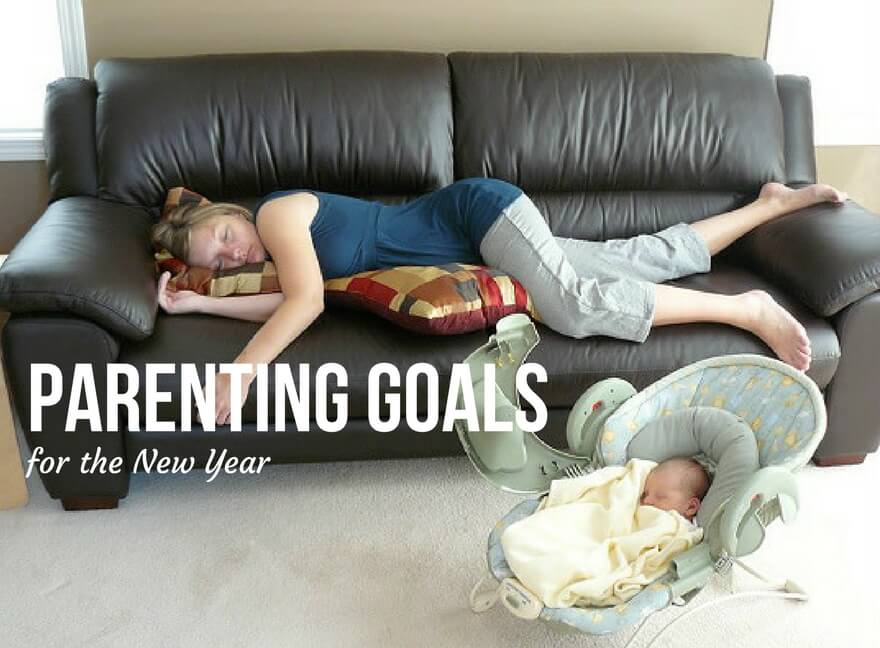
Every January, the parenting resolutions roll in: get more organised, be more patient, finally sort out the school run. They’re good intentions, but if you’ve got more than one child (or you’ve just had a rough few months with one), you’ll know that grand plans rarely survive past the second week of term. The parents who actually make progress tend to pick a handful of small, realistic goals and stick with them, rather than trying to overhaul their whole family life overnight.
Here are some genuinely useful goals for the year ahead, the kind you can actually put into practice rather than just write on a fridge magnet.
Goal 1: Protect your sleep, don’t just hope for it
Sleep deprivation creeps up on parents. You get used to running on six broken hours and forget what it feels like to wake up properly rested. The fix isn’t a stricter bedtime routine for the kids, though that helps too. It’s being deliberate about grabbing sleep wherever you can find it.
If your children are at nursery or school, a 20 to 30 minute nap in the early afternoon can genuinely take the edge off tiredness without leaving you groggy. If a friend or grandparent offers to take the kids for a sleepover, say yes and go to bed early rather than using the night to catch up on chores. Take turns with your partner on who gets the lie-in at the weekend, and be specific about it (Saturday is yours, Sunday is theirs) so it actually happens instead of being vaguely agreed and then forgotten.
Adults generally need around 7 to 9 hours of sleep a night, though most parents of young children are realistically working with less. If you’re consistently getting under 5 or 6 hours and feeling exhausted, low or unable to cope, it’s worth mentioning to your GP or health visitor rather than assuming it’s just “normal” for this stage of life.
Goal 2: Build a cleaning routine the whole family shares
If you’re the only one picking up cups, wiping surfaces and mopping floors, it’s no wonder the house feels like it’s against you. Kids as young as three can help put toys away, and by five or six they can manage simple jobs like laying the table or putting dirty clothes in the laundry basket. Older children and teenagers can take on proper chores such as loading the dishwasher, hoovering or taking the bins out.
A simple rota on the fridge works better than vague expectations. Assign specific jobs to specific days, and keep them age appropriate. The point isn’t just to lighten your load, though that matters. When children have to clean up a mess or mop a floor themselves, they naturally think twice before making the same mess again.
Goal 3: Set clear boundaries, and write them down
Every household has its own version of “the parents’ bathroom is off limits” or “the laundry room isn’t a play area”. These rules only work if they’re consistent and clearly communicated, and young children in particular benefit from seeing them, not just hearing them once.
Write the main house rules down in simple language and put them somewhere visible, like the kitchen or a bedroom door. For toddlers, a picture or symbol next to each rule helps it stick. Keep the list short (five or six rules max) and revisit it every few months, because what worked for a three year old won’t necessarily make sense for a seven year old.
Goal 4: Actually ask for and accept help
A lot of parents try to do everything themselves and treat asking for help as some kind of failure. It isn’t. Whether that’s a grandparent doing the school pickup once a week, a neighbour swapping babysitting favours, or simply telling your partner you need an hour to yourself, accepting support makes you a more patient, present parent, not a less capable one.
If you’re struggling more than you’d expect, whether that’s with the practical load of parenting or with your own mood and mental health, it’s worth talking to your GP or health visitor. Postnatal depression and anxiety don’t only affect new mums in the first few months. They can show up later, and in dads too, so don’t dismiss how you’re feeling just because your baby isn’t a newborn anymore.
Goal 5: Notice the wins, not just the chaos
Parenting stress has a way of narrowing your focus onto everything that’s gone wrong in a day. The spilled juice, the tantrum in the supermarket, the homework that didn’t get done. Try, even just occasionally, to notice the small wins instead. Your daughter got her shoes on the right feet. Your son remembered to flush. Nobody cried at drop off today.
This isn’t about forcing false positivity when you’re genuinely struggling. It’s a small habit that can shift how a day feels in your memory, and children pick up on your mood more than you’d think. A calmer, less frazzled parent tends to get a calmer, less frazzled response back.
A realistic way to make these stick
Don’t try to start all five goals on the 1st of January. Pick one, give it a few weeks to become a habit, then add the next. Talk to your partner, co-parent or anyone else involved in the day to day, so you’re working towards the same things rather than pulling in different directions. And if a goal doesn’t fit your family’s life, drop it and try something else. The aim isn’t a perfect year. It’s a slightly easier one than last year.
Share This Story, Choose Your Platform!



Latest Post


Latest News To Your Inbox
Subscribe to hear about our latest blog posts, competitions and special offers.