
A Beginner’s Guide to Tandem Breastfeeding
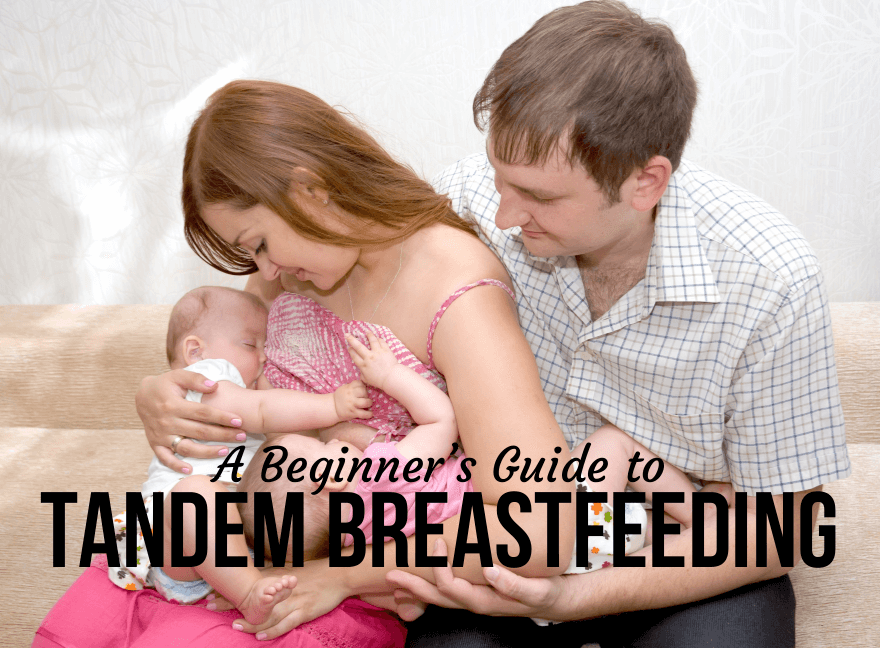
Tandem breastfeeding simply means nursing two children of different ages, usually a newborn and an older toddler or child, during the same general period. Sometimes that’s literally at the same time, one on each breast. Other times it means feeding one child, then the other, back to back. Some mums do this because they’re pregnant while still nursing a toddler and choose to carry on once the new baby arrives. Others land on it more by accident, because their older child isn’t ready to stop and the new baby needs feeding too.
It’s not something you need to have planned from day one. Plenty of mums who end up tandem feeding started out assuming they’d wean before the next baby came along, then changed their minds once they were in the thick of it. There’s no single “right” way to do this, only what works for your family, your body and your children.
What Tandem Breastfeeding Actually Involves
In practice, tandem nursing usually looks like feeding your newborn first, especially in the early weeks, so they get first access to colostrum and the fore milk that comes at the start of a feed. Your older child then feeds afterwards, or on the other side, or later on. Some mums do feed both children at once, one on each breast, which can save time when you’re juggling a newborn’s frequent feeds with a toddler who still wants their turn.
If you’re pregnant and still nursing an older child, it’s worth knowing that your milk changes in the last trimester. It shifts back towards colostrum, and the taste and volume can change too. Some toddlers self-wean around this point because they don’t like the change, others don’t seem to notice at all. Nipple tenderness and something called nursing aversion (a strong urge to stop feeding, sometimes with irritability or skin-crawling discomfort) are common in pregnancy and are completely normal, not a sign you’re doing anything wrong.
Is It Safe to Breastfeed While Pregnant?
For most women with a low risk, straightforward pregnancy, continuing to breastfeed is considered safe. Nursing does release oxytocin, which can cause mild contractions (Braxton Hicks type tightenings), but this isn’t generally a concern in a healthy pregnancy. If you have a history of preterm labour, placenta praevia, bleeding, or your midwife or doctor has flagged your pregnancy as higher risk, this is exactly the kind of thing to raise with them directly. They know your history and can give you advice specific to your situation, rather than general reassurance from an article.
Why Some Mums Choose to Tandem Feed
- It can ease the transition for your older child. Rather than weaning abruptly right as a new sibling arrives, tandem nursing lets your toddler keep something familiar and comforting during a big change.
- It gives you a way to sit down with both children at once. When you’re stretched thin, being able to feed a newborn and an older child together (rather than one after the other, endlessly) can genuinely save you time and sanity.
- It can help your milk supply establish quickly. An older child who nurses efficiently can help draw milk down in the early days, which some mums find helpful alongside feeding the newborn, particularly if your milk is slow to come in.
- It keeps things simple. You don’t need to introduce formula or change your older child’s routine on top of everything else that comes with a new baby.
None of this means tandem nursing is the “better” or more virtuous choice. Loads of mums wean before the next baby arrives, or wean shortly after, and that’s just as valid. This is about what suits you and your family, not a competition.
Getting Started: Practical Tips
Feed the Newborn First (Especially in the Early Weeks)
In the first few days, your newborn needs colostrum, and their feeding needs are more urgent and frequent than your older child’s. Most lactation consultants suggest offering the breast to the baby first, then letting your older child feed afterwards or on the other side. Once your milk is established, this matters less, but it’s a sensible default while you’re both learning.
Try Different Positions
You don’t have to feed both children at once, but if you want to, a few positions tend to work well:
- Double football hold: both children tucked under each arm, feet pointing behind you. Good for smaller babies and works well with a wide nursing pillow.
- Cradle and football combined: the newborn in a cradle hold across your body, the older child in a football hold under the other arm. Often more comfortable once your baby has better head control.
- Older child self-latches: if your older child is a toddler, they can often climb up and latch themselves while you focus on positioning the newborn.
A firm, wide nursing pillow (the kind designed for twins works well here) makes a real difference to your back and arms. Don’t be afraid to use regular pillows, cushions or a rolled towel to prop up whichever side needs support.
Expect Uneven Supply and Demand
Your newborn will likely feed far more often than your older child, sometimes eight to twelve times a day in the early weeks. Your older child might only want to nurse once or twice a day, often for comfort rather than nutrition. Your body generally adjusts to this over a week or two, but if one side feels consistently fuller or emptier, or you notice engorgement, a blocked duct or a lump that doesn’t ease with feeding, get in touch with your midwife, health visitor or a lactation consultant rather than waiting it out.
Watch for Latch Problems
A newborn’s latch is quite different to a toddler’s, and a poor latch on either side can lead to sore, cracked nipples. If feeding is painful beyond the first few seconds, something usually needs adjusting rather than it being something to just push through. A lactation consultant, health visitor, or breastfeeding drop-in group can help you sort out positioning before soreness turns into something like mastitis.
Handling the Emotional Side
It’s genuinely common for an older child to feel jealous, clingy or a bit unsettled once a new baby arrives, whether you’re tandem feeding or not. Some parents find that letting the older child nurse actually helps them feel reassured and included, rather than pushed out. Others find their toddler acts out more around feeding times regardless. There’s no fixed pattern here, and how your child reacts isn’t a reflection of whether tandem nursing was the right call.
Try to carve out one-on-one time with your older child that has nothing to do with feeding, even ten or fifteen minutes of undivided attention a day can help. And go easy on yourself too. Managing the physical and emotional needs of two children while your body is recovering from birth is a lot, and it’s fine to have days where you feel touched out, tired, or unsure if you’re getting it right.
Common Questions
Will I have enough milk for both children?
Milk supply works on supply and demand, so in most cases your body will adjust to feed both children over the first week or two. Your newborn’s needs naturally take priority in terms of volume and frequency. If you’re worried about your baby’s weight gain or wet nappies, or you’re concerned your older child is somehow “taking” milk your newborn needs, speak to your health visitor or a lactation consultant. They can check your baby’s weight and feeding pattern properly rather than you guessing.
Does tandem feeding affect the quality of my milk?
Your milk composition is driven by your baby’s age and needs at each feed, not simply by which child is feeding. There’s no solid evidence that tandem nursing reduces the nutritional value of milk for either child.
Do I need to feed them separately for hygiene reasons?
No, there’s no need to sterilise or clean between feeding each child. Your own breast milk is not a source of infection risk between your children in ordinary circumstances.
What if I want to stop tandem feeding?
You’re allowed to change your mind at any point. Weaning one child while continuing with the other is completely normal, and can be done gradually to keep things comfortable for both you and the child being weaned. If you’re not sure how to approach it, a lactation consultant or health visitor can help you plan a gentle transition.
A Final Word
Tandem breastfeeding isn’t something you need to get “right” from day one. It’s a bit of trial and error, a fair amount of flexibility, and a willingness to adjust as you go. Some days it’ll feel manageable and even lovely. Other days you’ll feel like you’re being pulled in two directions, because you are. Both are normal parts of doing this.
If something feels off, whether that’s pain while feeding, worries about supply, or you’re just not coping, don’t sit with it alone. Your midwife, health visitor, GP or a qualified lactation consultant can give you guidance specific to you and your children, which is always more useful than general advice from an article, however well meant.
Share This Story, Choose Your Platform!


Latest Post


Latest News To Your Inbox
Subscribe to hear about our latest blog posts, competitions and special offers.