
Choosing the Right Lubricant for Conception
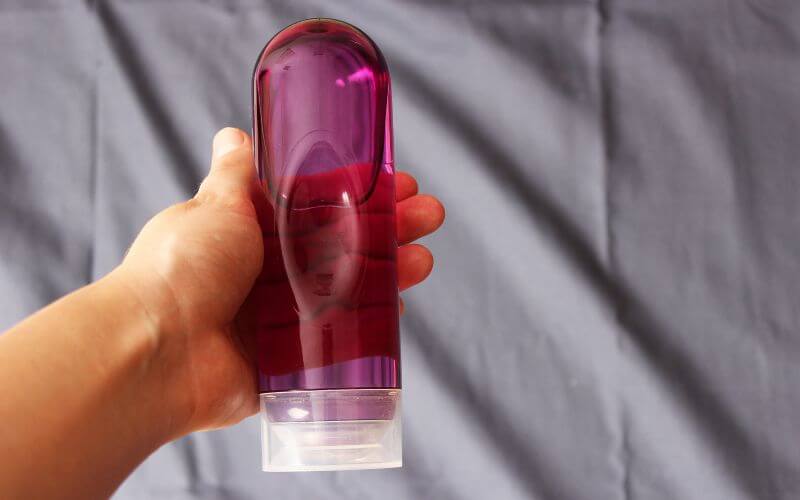
Hey there, baby-making enthusiasts! 🍼 Today, we’re diving deep into a topic that’s been at the center of many late-night discussions among couples trying to start a family: lubricants and their potential impact on conception. We’ve all heard the rumors and myths, but it’s time to separate fact from fiction and provide you with practical tips on selecting the best lubricant for your fertility journey in this comprehensive 6000-word guide!
Introduction: The Great Lubricant Debate
The journey to parenthood is an exciting one, but it’s not without its challenges and uncertainties. One such question that often arises among couples trying to conceive is whether the use of lubricants in the bedroom can affect their chances of conception. It’s a topic that has sparked numerous conversations, and today, we’re here to unravel the truth.
Lubricants have been a saving grace for many couples, making intimate moments more comfortable and enjoyable. However, concerns about their potential impact on fertility have led to a fair share of confusion and misinformation. Is there any scientific evidence to support these concerns, or are they merely myths that we can dispel?
In this comprehensive guide, we’ll explore the world of lubricants and their connection to conception. We’ll dive into the science of sperm, the properties of different lubricants, and the findings of scientific studies. By the end of this journey, you’ll be armed with the knowledge to make informed decisions about lubricant use on your path to parenthood.
Lubricants 101: What Are They, and Why Do We Use Them?
Let’s begin by understanding what lubricants are and why they are a common addition to the bedroom. Lubricants are specially formulated products designed to reduce friction during sexual intercourse. They come in various forms, including water-based, silicone-based, and oil-based, and they serve multiple purposes:
- Enhancing comfort: Lubricants can alleviate discomfort or dryness during sex, making the experience more enjoyable for both partners.
- Increasing pleasure: By reducing friction, lubricants can enhance sensations and intimacy.
- Facilitating smoother intercourse: For some couples, lubricants are essential for making intercourse possible, especially when natural lubrication is insufficient.
Now, you might be wondering, “If lubricants have all these benefits, what’s the catch?” That’s where the potential impact on conception comes into play, and we’ll delve deeper into this as we progress.
How Sperm Works: A Crash Course
Before we explore the effects of lubricants on sperm, it’s essential to have a basic understanding of how these tiny swimmers function in the journey towards fertilization:
- Sperm production and maturation: Sperm are produced in the testes and undergo maturation before they are ready for their mission.
- The journey to the egg: Once released during ejaculation, sperm embark on a challenging journey through the female reproductive tract, with the ultimate goal of reaching and fertilizing the egg.
- The role of cervical mucus: Just before ovulation, the cervix produces fertile cervical mucus, which acts as a conduit for sperm, providing them with nourishment and guidance.
The Fertility Factors: Sperm Health and Mobility
Now that we have a grasp of how sperm work, let’s explore the potential impact of lubricants on their health and mobility—the crucial factors in successful conception.
The Enemy of Sperm: Lubricants?
It’s time to address the million-dollar question: can lubricants harm sperm or hinder their journey to the egg? The answer is a bit complex and involves several aspects to consider:
Common Ingredients in Lubricants
Lubricants vary in their composition, and not all ingredients are created equal when it comes to sperm-friendliness. Some lubricants contain ingredients that may pose challenges to sperm health and mobility. For example:
- Glycerin and glycols: These ingredients can have a hypertonic effect, drawing water away from sperm and potentially affecting their viability.
- Parabens and other preservatives: Some lubricants contain preservatives that could have detrimental effects on sperm.
- Non-sperm-friendly chemicals: Some lubricants may include chemicals that create an unfriendly environment for sperm, such as pH-altering substances.
The pH (Acidity) Factor
The pH levels of substances in the female reproductive tract play a significant role in sperm survival and movement. Cervical mucus produced just before ovulation has an ideal pH for sperm, creating an environment conducive to their journey. However, many lubricants have pH levels that are not sperm-friendly. In fact, some lubricants are acidic enough to harm sperm, posing a potential obstacle to conception.
Thickness Matters
The viscosity, or thickness, of lubricants can also impact sperm’s progress. Think of it as an obstacle course that sperm must navigate. Thick lubricants may make it difficult for sperm to swim through and reach their destination.
The Water Conundrum
Another consideration is the water content of lubricants. Water-based lubricants, while popular, can potentially damage sperm by causing them to absorb water. This can lead to reduced sperm motility and hinder their ability to reach the cervix.
The Research: What Do the Studies Say?
Now that we’ve covered the potential challenges lubricants may pose to sperm, it’s time to turn our attention to scientific research. To truly understand the impact of lubricants on conception, we must examine the findings of studies in this field.
Landmark Studies on Lubricants and Fertility
Over the years, researchers have conducted numerous studies to investigate the effects of lubricants on sperm and fertility. Some of these studies have provided valuable insights into the topic, and we’ll highlight a few key ones.
The Importance of Study Methodology
It’s important to note that not all studies are created equal. The methodology used in research can significantly influence the results. When evaluating studies on lubricants and fertility, it’s crucial to consider factors such as sample size, study design, and the specific lubricants tested.
Surprising Findings That Might Challenge Your Beliefs
As we explore the research, you may come across findings that challenge commonly held beliefs about lubricants and conception. It’s essential to approach the topic with an open mind and rely on scientifically sound evidence.
Debunking the Myths: What You Need to Know
Now that we’ve dug into the scientific aspects of lubricants and sperm, let’s tackle some common myths and misconceptions surrounding this topic. By dispelling these myths, we can paint a more accurate picture of what couples trying to conceive need to know.
Myth #1: All Lubricants Are the Same
One prevalent misconception is that all lubricants are created equal and that they have identical effects on sperm and fertility. However, as we’ve discussed, the composition of lubricants can vary widely, and some ingredients may be more harmful to sperm than others.
Myth #2: Natural Alternatives Are Always Sperm-Friendly
Some couples opt for natural alternatives to commercial lubricants, believing that they are inherently safer and more sperm-friendly. While natural options like olive oil and coconut oil have their merits, they may not always be the best choice for couples trying to conceive.
Myth #3: Lubricants Cause Infertility
It’s crucial to clarify that using lubricants does not inherently cause infertility. While lubricants may pose challenges to sperm, they are not a definitive cause of infertility. Many couples successfully conceive while using lubricants, and understanding the factors at play can help you make informed decisions.
When Lubricants Can Be Your Allies
Now that we’ve addressed some of the concerns and myths surrounding lubricants and conception, let’s explore scenarios in which lubricants can actually be your allies in the quest for a baby.
Medical Conditions and Lubricant Use
Some medical conditions, such as vaginal dryness, can make intercourse painful or uncomfortable without the use of lubricants. In such cases, the careful selection of a sperm-friendly lubricant can make a significant difference in both comfort and the chances of conception.
Fertility Treatments and Lubricants
Many couples pursuing fertility treatments may find themselves in situations where the use of lubricants is necessary. In vitro fertilization (IVF) and intrauterine insemination (IUI) procedures often require the use of lubricants. Choosing a fertility-friendly lubricant becomes especially important in these cases.
How to Choose the Right Lubricant for Your Needs
If you’re considering using a lubricant while trying to become pregnant, it’s essential to choose one that’s been shown in clinical trials to be safe and effective for conception. These are usually marketed as “fertility-friendly” lubricants and include brands such as Pre-Seed and Conceive Plus.
Foreplay: The Natural Lubricant
While we’ve explored the intricacies of lubricants and their potential impact on conception, sometimes the best solutions are the simplest ones. Before reaching for a commercial lubricant, consider the natural lubricant that your own bodies can provide: foreplay.
The Importance of Building Arousal Naturally
Foreplay is not just a prelude to intercourse; it plays a vital role in the overall intimacy and enjoyment of the experience. Taking the time for foreplay can help both partners become more relaxed, comfortable, and in the mood for lovemaking.
How Foreplay Can Enhance the Overall Experience
Foreplay isn’t just about ensuring adequate lubrication—it’s about emotional connection, exploration, and mutual satisfaction. When couples engage in extended foreplay, they often report more fulfilling and enjoyable intimate moments.
Communication with Your Partner to Create the Perfect Atmosphere
Open and honest communication with your partner about your desires, needs, and boundaries is essential when it comes to creating the perfect atmosphere for intimacy. Discussing your feelings and preferences can lead to a more satisfying and connected experience.
Your Action Plan: What to Do Next
Now that we’ve explored the complexities of lubricants and their role in conception, it’s time to create an action plan. Here are the steps you can take to navigate this journey effectively:
Consultation with a Healthcare Professional
One of the first steps on your journey to parenthood should be a consultation with a healthcare professional. A doctor or fertility specialist can assess your individual circumstances, provide guidance, and address any concerns you may have about lubricant use and fertility.
Selecting the Right Lubricant for Your Unique Situation
If you and your partner feel that lubricants are necessary to enhance your intimate moments, choose wisely. Opt for a fertility-friendly lubricant that has been proven safe and effective for conception. Brands like Pre-Seed and Conceive Plus have gained recognition in this regard.
Monitoring Your Fertility and Optimizing Your Chances
Understanding your menstrual cycle, tracking ovulation, and identifying your most fertile days are essential steps in optimizing your chances of conceiving. There are various methods and tools available to help you do this, including ovulation prediction kits and fertility tracking apps.
When All Else Fails: Safe Lubricant Choices
If natural lubrication and foreplay alone don’t provide the desired level of lubrication, there’s no need to abandon the idea of using a lubricant altogether. Some lubricants have been specifically designed and tested to be safe and effective for couples trying to conceive.
Introducing “Fertility Friendly” Lubricants
“Fertility-friendly” lubricants are a category of lubricants that have undergone clinical trials to demonstrate their safety and effectiveness for conception. These lubricants are specially formulated to mimic the characteristics of cervical mucus, providing an environment that supports sperm health and mobility.
What Makes These Lubricants Different from the Rest?
Fertility-friendly lubricants are formulated with ingredients and pH levels that closely match the natural environment of the female reproductive tract. This makes them less likely to harm sperm and more conducive to conception.
The Importance of Choosing a Trusted Brand
When selecting a fertility-friendly lubricant, it’s essential to choose a reputable brand known for its commitment to scientific research and testing. Brands like Pre-Seed and Conceive Plus have earned the trust of couples worldwide and are commonly recommended by healthcare professionals.
A Closer Look at Popular Fertility-Friendly Lubricants: Pre-Seed and Conceive Plus
Let’s take a closer look at two well-known fertility-friendly lubricants:
- Pre-Seed: Pre-Seed is a water-based lubricant specifically formulated to match the pH of fertile cervical mucus. It’s designed to provide moisture without harming sperm, making it a popular choice for couples trying to conceive. Pre-Seed is available with a convenient applicator to aid in precise placement.
- Conceive Plus: Conceive Plus is another fertility-friendly lubricant that has gained recognition among couples on their fertility journey. Like Pre-Seed, it’s designed to support sperm health and mobility while providing the lubrication needed for intimacy. Conceive Plus comes in a range of formats, including pre-filled applicators and tubes.
Conclusion: Navigating the Lubricant Maze
In conclusion, the relationship between lubricants and conception is multifaceted and nuanced. While some lubricants may pose challenges to sperm health and mobility, others have been carefully formulated to support fertility. As you embark on your journey to parenthood, keep these key takeaways in mind:
- Lubricants can enhance comfort and pleasure during intercourse but may affect sperm health and mobility.
- Understanding the composition of lubricants, their pH levels, and their impact on sperm is crucial.
- Foreplay and natural arousal can provide a satisfying and natural alternative to commercial lubricants.
- Consultation with a healthcare professional is essential for personalized guidance.
- When using a lubricant is necessary, choose a fertility-friendly option that has been clinically tested for safety and effectiveness.
Remember that your journey to parenthood is unique, and there’s no one-size-fits-all solution. Armed with knowledge and the support of your partner, you can navigate the lubricant maze confidently and embrace the beautiful journey ahead.
Share This Story, Choose Your Platform!



Latest Post


Latest News To Your Inbox
Subscribe to hear about our latest blog posts, competitions and special offers.