
Can You Really Get Pregnant on or Right After Your Period? The Shocking Truth Revealed!
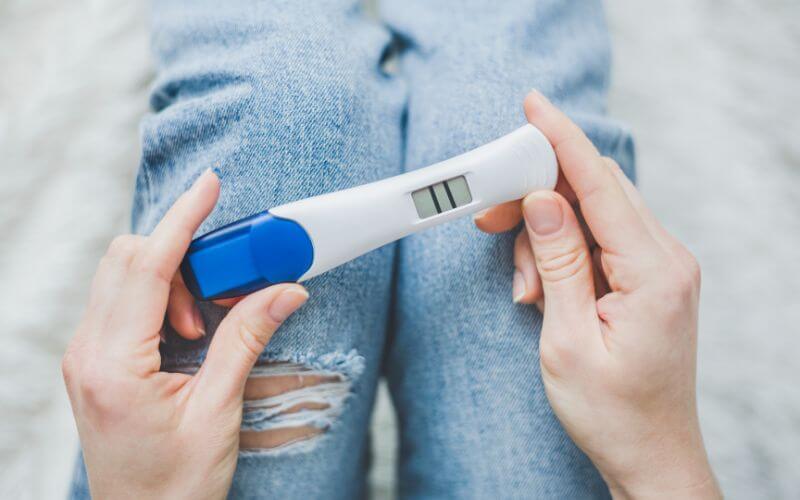
Hey there, fellow baby enthusiasts! Today, I’ve got a topic that’s been buzzing around in the minds of many couples trying to conceive: Can you actually get pregnant on or right after your period? 🤔
I know it’s a question that has crossed your mind at some point, and you’re not alone! In this in-depth article, we’re going to dive headfirst into this intriguing topic and uncover all the details you need to know. So, grab your favorite beverage, get cozy, and let’s get into it.
Understanding the Menstrual Cycle
Before we delve into the nitty-gritty details of pregnancy and your period, it’s essential to have a solid understanding of the menstrual cycle. Here’s a quick refresher:
- Menstrual Phase (Days 1-5): This is when your period occurs. The uterus sheds its lining, resulting in bleeding.
- Follicular Phase (Days 1-13): Your body begins preparing for ovulation by developing follicles in the ovaries. Typically, ovulation occurs around day 14.
- Ovulation (Day 14): An egg is released from the ovaries and can potentially be fertilized by sperm.
- Luteal Phase (Days 15-28): If fertilization doesn’t occur, the body prepares for another menstrual cycle. Hormone levels rise and fall.
Can You Get Pregnant During Your Period?
Let’s tackle this burning question head-on. The short answer is, it’s unlikely but not impossible. Here’s why:
- Sperm can survive inside the female reproductive tract for up to five days. So, if you have a shorter menstrual cycle and ovulate early, there’s a small window of opportunity.
- Irregular menstrual cycles can make it challenging to predict when ovulation occurs, increasing the chances of a surprise pregnancy.
- Unusual bleeding during your period may not be a true period but rather spotting, leaving room for unexpected ovulation.
Getting Pregnant Right After Your Period
Now, let’s talk about the days immediately following your period. Is it a safe zone? Not exactly. Here’s what you need to know:
- Remember that sperm can survive for several days in the reproductive tract. So, if you have a short cycle and ovulate early, unprotected sex right after your period could result in pregnancy.
- Additionally, some women experience a phenomenon called “breakthrough bleeding” during ovulation. This can be confused with the tail end of a period, leading to risky assumptions.
Factors That Affect the Probability of Pregnancy
Several factors can influence the likelihood of getting pregnant on or right after your period. Let’s break them down:
Cycle Length
- If you have a short menstrual cycle (less than 21 days), your fertile window may overlap with your period.
- Longer cycles (greater than 35 days) typically mean a more extended period of non-fertility.
Sperm Survival
- Sperm can hang around in the female reproductive tract for several days, patiently waiting for an egg to make its grand entrance.
Irregular Periods
- Irregular periods can throw off your cycle and make it challenging to predict when ovulation will occur.
Birth Control
- Birth control methods, if not used consistently and correctly, can lead to unexpected pregnancies.
Tips for Safe Timing
Now that you’re armed with knowledge, here are some tips to help you navigate this tricky terrain:
- Use Protection: If you’re not actively trying to conceive, it’s best to use contraception consistently and correctly.
- Track Your Cycle: Keep a menstrual calendar to monitor your cycle length and identify potential fertile days.
- Pay Attention to Your Body: Be aware of signs of ovulation, such as cervical mucus changes and mild pelvic discomfort.
- Consult a Healthcare Professional: If you’re planning to start a family or have concerns about your menstrual cycle, don’t hesitate to reach out to a healthcare provider.
The Verdict
Getting pregnant on or right after your period is unlikely but not impossible. Understanding your body, tracking your menstrual cycle, and using contraception correctly are essential steps to take control of your fertility.
Remember, every person’s body is unique, so what works for one may not work for another. It’s crucial to stay informed and make choices that align with your family planning goals.
So, my dear baby enthusiasts, while the idea of a surprise pregnancy may sound like an intriguing plot twist, it’s best to take charge of your reproductive destiny. Until next time, happy baby-making!
Share This Story, Choose Your Platform!


Latest Post


Latest News To Your Inbox
Subscribe to hear about our latest blog posts, competitions and special offers.