
Should I give my newborn water or sugar water?

Hey there, fellow parents and caregivers! The journey of parenthood is a whirlwind of questions and uncertainties, especially when it comes to the health and well-being of your precious newborn. One of the burning questions that often arises is whether you should give your newborn water or sugar water. In short NO, you shouldn’t give your newborn baby water or sugar water. In this comprehensive guide, I’m going to unravel the mystery surrounding this topic, backed by expert insights and the latest research. So, let’s embark on this informative journey together and shed light on the age-old debate of newborn hydration.
The Importance of Hydration for Newborns
Before we delve into the specifics of giving water or sugar water to newborns, let’s understand why hydration is so crucial in the early days of life.
1. Colostrum: Liquid Gold
Colostrum, the first milk your breasts produce, is packed with essential nutrients and antibodies. It provides everything your baby needs in their early days, including hydration.
Colostrum is easily digestible and perfectly tailored to your baby’s nutritional requirements. It also acts as a natural laxative, helping your baby pass meconium (the first stool).
2. Newborn’s Tiny Tummy
A newborn’s stomach is incredibly small, about the size of a cherry. It can only hold a small amount of milk or colostrum at a time.
Providing additional liquids, like water or sugar water, can fill up this tiny tummy, leaving less space for the essential breastmilk or formula your baby needs for proper growth and development.
The Dangers of Giving Water to Newborns
Now that we understand the significance of breastmilk or formula as the primary source of hydration for your newborn, let’s explore the potential dangers of giving water.
1. Risk of Malnutrition
Newborns require a specific balance of nutrients for healthy growth. Giving water without the appropriate nutrients can lead to malnutrition.
Water lacks essential nutrients like proteins, fats, vitamins, and minerals that are present in breastmilk or formula.
2. Water Intoxication
Newborns have immature kidneys, making it challenging for them to process excess water. If your baby consumes too much water, it can dilute their blood’s sodium levels, leading to a condition known as water intoxication or hyponatremia.
Symptoms of water intoxication in infants can range from mild, such as fussiness and swelling, to severe, including seizures, breathing difficulties, and even coma.
3. Reduced Appetite
Giving water to your newborn can reduce their appetite for breastmilk or formula. This can lead to inadequate nutrition and slow weight gain.
An exclusive diet of breastmilk or formula ensures that your baby receives the necessary calories and nutrients to thrive.
Sugar Water: Not a Sweet Solution
Some well-intentioned caregivers may consider giving sugar water to newborns, believing it can provide comfort or alleviate colic. However, it’s essential to understand that this practice is generally discouraged by healthcare professionals for several reasons.
1. Empty Calories
Sugar water is devoid of any nutritional value. It offers empty calories that can displace the crucial nutrients your baby needs from breastmilk or formula.
Feeding your baby sugar water can lead to reduced appetite for breastmilk or formula, potentially compromising their growth and development.
2. Dental Issues
Sugar can be harmful to your baby’s emerging teeth. Introducing sugary substances early on can increase the risk of dental problems later in childhood.
It’s essential to establish good oral hygiene practices from the start by avoiding sugary liquids like sugar water.
When Can Water Be Introduced?
While the general consensus is that newborns do not need additional water or sugar water, there are specific situations where water introduction may be necessary, but always consult your pediatrician first. These situations include:
1. Extreme Heat
In hot climates or during heatwaves, your baby may require small amounts of water to stay hydrated. Consult your pediatrician for guidance on safe water supplementation.
2. Medical Reasons
Some medical conditions or procedures may require brief periods of water consumption. In such cases, your pediatrician will provide clear instructions on when and how to administer water.
3. Solid Food Introduction
When your baby begins transitioning to solid foods (around six months), small sips of water can be introduced with meals to aid in food digestion. However, breastmilk or formula should still be the primary source of hydration.
Signs of Proper Hydration in Newborns
So, how can you tell if your newborn is adequately hydrated without giving them water? Keep an eye out for these signs:
1. Wet Diapers
Your baby should have at least six wet diapers a day after the first week of life. This indicates that they are getting enough fluids from breastmilk or formula.
2. Alertness and Energy
A well-hydrated baby is generally alert, responsive, and active. They may also have periods of alertness and contentment after feeds.
3. Weight Gain
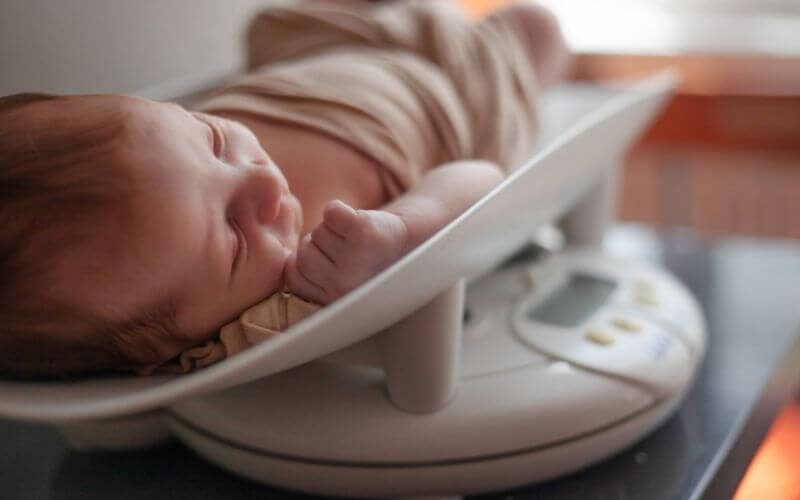
Steady weight gain is a positive sign that your baby is receiving the right amount of fluids and nutrients.
Consult your pediatrician if you have concerns about your baby’s weight gain.
In Conclusion: Trust Nature’s Design
In the vast majority of cases, giving your newborn water or sugar water is unnecessary and potentially harmful. Nature has designed breastmilk to provide the perfect balance of hydration and nutrients for your baby’s early development. Breastfeeding or formula feeding should be the sole sources of sustenance for your newborn in their first months of life.
Always consult your pediatrician if you have any concerns about your baby’s hydration or nutrition. They can provide personalized guidance and ensure your baby’s well-being.
Remember, every baby is unique, and the journey of parenthood is a learning experience filled with questions. Trust your instincts, seek professional advice when needed, and cherish these precious moments with your newborn.
Share This Story, Choose Your Platform!


Latest Post


Latest News To Your Inbox
Subscribe to hear about our latest blog posts, competitions and special offers.