
At What Age Should You Introduce Your Baby to the Pool?
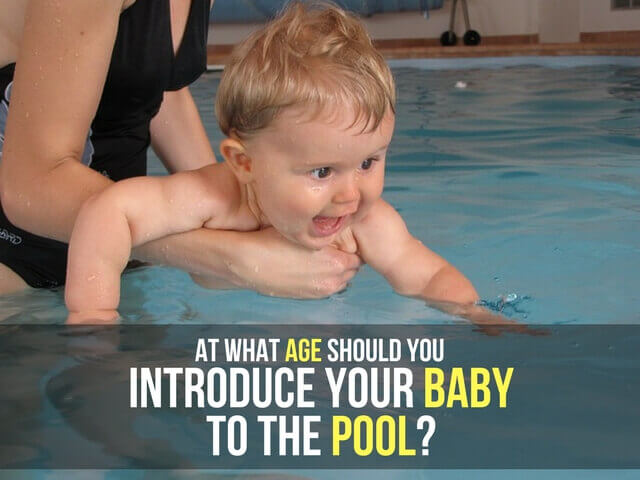
Taking your baby swimming for the first time is one of those lovely, slightly nerve-wracking milestones. There’s no single “correct” age to introduce a baby to water, and the right answer depends on whether you mean a splash in the bath, a dip in a warm pool with you, or a proper structured baby swim class. Here’s what actually matters at each stage, and how to keep things safe and enjoyable.
Bath first, pool later
Before you even think about a swimming pool, the bath is your baby’s first introduction to water. From the newborn stage, gentle bath time with warm water helps your baby get comfortable with the feel of water on their skin and face. Trickle a little water over their tummy and shoulders, talk to them calmly, and let them kick and splash. This builds trust and familiarity, which makes the transition to a pool much smoother later on.
Always keep one hand on your baby in the bath and never leave them, even for a few seconds, no matter how shallow the water is.
How soon can you take a newborn swimming?
There’s no strict rule here, and this is one area where guidance genuinely varies between countries and even between health professionals, so it’s worth checking with your health visitor, midwife or GP if you’re unsure. In the UK, current NHS advice is that you can take your baby swimming from birth, there’s no need to wait for their first round of vaccinations. In practice, most parents wait until after the six to eight week check simply for peace of mind, and because that’s usually when things like feeding and routine feel a bit more settled.
For mums recovering from birth, there’s a separate consideration: it’s generally recommended you wait until any postnatal bleeding has stopped, usually around 4 to 6 weeks, before you get into a pool yourself, to reduce the risk of infection. This doesn’t stop your partner or another caregiver taking baby swimming in the meantime.
Some private baby swim schools will take babies from around 4 to 6 weeks old, using specially heated pools. If you’re going down this route, choose a class specifically designed for very young babies rather than a general public swim, since the water temperature and group size matter a lot at this age.
What about formal swimming lessons?
Structured “learn to swim” style lessons, where a baby starts building the motor skills for actual swimming (as opposed to just enjoying water play with you), are usually recommended from around 6 months onwards. This is roughly the age when babies start to have a bit more head and neck control and can engage more actively with the movements. Some water safety programmes designed to teach breath control and self-rescue reflexes start a little earlier, but these are specialist courses run by trained instructors, not something to attempt on your own.
Before 6 months, your goal isn’t really “swimming lessons” at all. It’s just gentle, positive exposure to water with you close by, ideally in a warm baby pool rather than a busy public one.
Getting your baby ready for the pool
Once your baby is happy in the bath and you’re ready to try a pool, ease into it gradually:
- Start with short sessions, 10 to 15 minutes is plenty for a first visit. You can build up as your baby gets more confident.
- Pick a quiet, off-peak time if you can. A crowded, noisy pool session is not the moment to introduce a baby to water for the first time.
- Avoid taking baby swimming right after a feed. Wait around 30 minutes, otherwise the movement in the water can bring on spit-up or discomfort.
- Watch your baby’s face and body, not the clock. If they seem happy, keep going a little longer. If they’re crying, going rigid, or their lips look bluish, get them out and warm them up.
Pool temperature and chlorine: what to actually look for
Babies lose heat much faster than adults because they have less body fat and a larger surface area relative to their size. A pool that feels fine for you can be genuinely cold for your baby within minutes.
For babies under about a year old, look for pools kept around 30 to 32°C (86 to 90°F), sometimes described as “baby pool” or “learner pool” temperature. Many leisure centres run dedicated baby swim sessions with the water heated specifically for this. Standard public pools are usually cooler, around 27 to 29°C, which is fine once your baby is a bit older and more used to the water, but can be a shock for a first dip.
On chlorine: babies do have more sensitive skin, eyes and airways than adults, so it’s worth choosing a well-maintained pool where the chlorine smell isn’t overpowering. A strong chemical smell often means the water isn’t being filtered properly, ironically, well-balanced pools tend to smell less of chlorine, not more. After swimming, rinse your baby off with fresh water and moisturise their skin, since chlorinated water can be drying. If your baby has eczema or very sensitive skin, ask your health visitor or GP for advice on suitable pools or protective barrier creams before you go.
Try to discourage swallowing pool water where you can. It’s not usually dangerous in tiny amounts, but pool water isn’t meant to be drunk and swallowing a lot can occasionally cause tummy upsets.
Holding your baby safely in the water
Never rely on armbands, floats, or inflatable rings as a safety device for babies, they’re not designed for this and can give a false sense of security. Your arms are the safety equipment at this age.
Hold your baby securely under the arms, facing you, with their head well above the water. Keep them close to your body so they feel supported, but give them a little freedom to kick their legs. Move slowly and gently, sudden dips or splashes can frighten a baby who isn’t used to it. Some instructors teach very gentle “dunks” with breath-holding practice as part of formal lessons, but this is a skill-specific technique that should only be done under proper guidance, not something to try casually at home.
Always stay within arm’s reach. This applies at every age, right through toddlerhood and beyond, and it’s one of the most important water safety habits you can build early.
A few practical extras
Most pools require babies to wear a snug-fitting swim nappy, and many also ask for waterproof swim pants over the top as extra protection against leaks, check the pool’s policy before you go. If your baby has diarrhoea, vomiting, a skin infection, or an open cut, it’s best to skip the pool until they’ve fully recovered, both for their comfort and to avoid passing anything on to other swimmers. If you’re swimming outdoors, remember babies under 6 months should be kept out of direct sun altogether, so stick to shaded areas or early morning and evening sessions, and dress them in a UV swim suit and hat.
Signs your baby has had enough
Every baby responds differently to their first few swims. Some babies love it immediately, others need a few short, calm visits before they relax. Watch for grizzling, rubbing their eyes, shivering, or turning their face away from the water repeatedly, these are all signs it’s time to get out, dry off and warm up. Ending on a positive note, even if that means a very short session, does more for building confidence than pushing through when your baby is unhappy.
Introducing your baby to the pool can be a genuinely lovely bit of bonding time, and for a lot of families it becomes a regular favourite outing. Take it slowly, follow your baby’s lead, and always put safety first, close supervision, a suitable water temperature, and a secure hold matter far more than getting there at any particular age.
If you enjoyed this article, read our other articles on baby milestones:
- How to Encourage Your Baby to Talk
- Newborn to Toddler: Mental Leaps, Growth Spurts, and Sleep
Share This Story, Choose Your Platform!


Latest Post


Latest News To Your Inbox
Subscribe to hear about our latest blog posts, competitions and special offers.