
Top 5 Games to Play with Swimming Babies

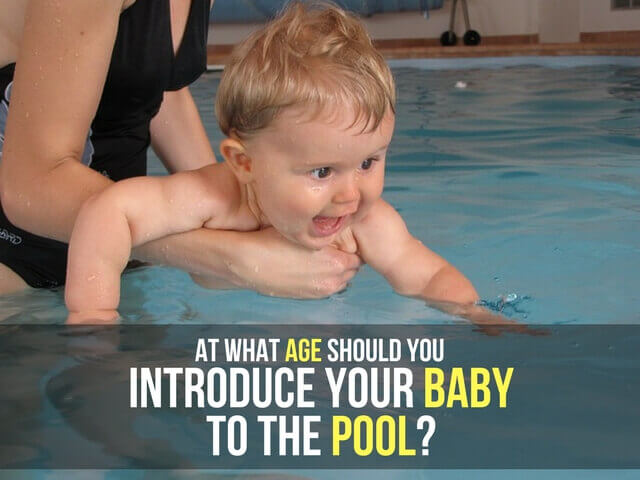
There’s something completely joyful about watching a baby experience water for the first time, the wide eyes, the kicking legs, the delighted squeals when a splash lands on their tummy. Swimming together is one of the easiest ways to bond with your baby, and it genuinely helps with their physical development too, building strength, coordination and confidence in the water long before they’re ready for proper swimming lessons.
But baby swimming isn’t quite the same as taking an older child to the pool. Babies regulate their body temperature poorly, they can’t tell you when they’re cold or tired, and their skin and airways need a bit more thought. Below are five games that work well with young babies, along with the safety points worth knowing before you get in the water.
Is Your Baby Ready to Swim?
There’s no need to wait until your baby has had all their vaccinations before introducing them to water, but most health visitors and swim schools recommend holding off on public pools until after the first round of jabs, usually around 8 weeks, simply because chlorinated water and busy pools carry a slightly higher infection risk for very young babies. If your baby was premature or has any health conditions, it’s worth checking with your GP or health visitor first, as they’ll know your baby’s specific situation better than any general guideline can.
Pool temperature matters more than people expect. Babies lose heat much faster than adults because they have less body fat and a larger surface area relative to their size. Look for a pool heated to around 30 to 32°C if possible, and keep early sessions short, about 20 to 30 minutes is plenty for a baby under one. Watch for shivering, blue-tinged lips, or your baby going quiet and clingy. That’s your cue to get out, dry off and warm up straight away, not to push on for “just five more minutes”.
Safety Essentials Before You Get In
- Use a proper swim nappy under a swim nappy cover. Ordinary nappies swell up and fall apart in water, and swim nappies alone aren’t fully leak-proof.
- Never rely on inflatable armbands, neck floats or ring seats as a safety device. They’re fine as a bit of extra buoyancy for older babies once you’ve checked with your instructor, but they are not a substitute for you having your hands on your baby at all times.
- Stay within arm’s reach, ideally with your baby actually in your arms, the whole time you’re in the water. Babies and toddlers can go under silently and quickly, there’s no dramatic splashing or shouting like you might expect.
- Apply a baby-safe sunscreen at least 20 minutes before heading outdoors, and reapply after any time in the water, even on cloudy days.
- If you’re using a public pool, check it’s suitable for babies, some leisure centres have separate, warmer baby pools or dedicated baby swim sessions, which are worth seeking out.
Game 1: The “Splish Splash” Sing-Along
Hold your baby securely against your chest, supporting their head and neck if they’re very young, and sing a simple, repetitive song, “Row Row Row Your Boat” and “Splish Splash Splosh” both work well. As you sing, gently move their arms and legs through the water in a paddling motion. Babies respond strongly to rhythm and repetition, and pairing a familiar tune with the sensation of water helps them feel settled rather than startled by it.
Why it helps: singing calms babies and signals that this is a safe, happy activity. The gentle movement also gets them used to the resistance of water against their skin, which is a completely new sensation for a young baby.
Game 2: “Reach for the Toy”
Once your baby has a bit of head and trunk control, usually from around 4 to 6 months, hold a bright floating toy just out of reach and encourage them to kick or paddle towards it. Keep your other hand supporting their body throughout, this isn’t about independent swimming, it’s about motivation to move.
Why it helps: reaching and kicking towards a goal builds the same muscles used in early swimming strokes, and it’s a nice way to spot how your baby’s coordination is developing week to week.
Game 3: “Belly Float” Adventure
Support your baby under the chest and chin with one hand and let their body float on the surface, tummy down, moving them slowly through the water. Keep their face well clear of the surface at all times and go slowly so they don’t feel unsteady. Some babies love this straight away, others need a few sessions to get comfortable, and that’s completely normal.
Why it helps: this position mirrors an early stage of front crawl and helps babies build the core and neck strength they’ll need for swimming later on. It also builds trust, since your baby learns that floating feels safe when you’re holding them.
Game 4: “Ring Toss”
Scatter a few large, soft baby-safe rings on the water and encourage your baby to reach out and grab one. For younger babies, hold them close and guide their hand towards the ring. For babies with better sitting or standing balance in a baby float seat (used only under close supervision), let them reach independently while you stay right beside them.
Why it helps: grasping a floating, moving object is trickier than it sounds and gives a good workout for hand-eye coordination and fine motor control.
Game 5: Gentle Submersion, with a Caution
You may have seen videos of babies being dipped briefly underwater during “Peek-a-boo” style games. Babies do have a reflex called the dive reflex, which can close the airway briefly when water hits the face, but this reflex is unreliable, weakens over the first few months, and isn’t something to test at home on your own judgement. If you’d like your baby to experience controlled submersion, the safest route is to learn the technique from a qualified baby swim instructor at a proper parent-and-baby swim class, where they can show you exactly how and when it’s appropriate for your baby’s age and stage.
Until then, stick to pouring small amounts of water gently over your baby’s head from a cup, letting them get used to water on their face without full submersion. Watch their reaction closely, if they seem upset or distressed, ease off and try again another day.
After the Swim
Babies tire out faster in water than you’d think, even when they seem happy. Wrap your baby in a warm towel or hooded robe straight away, and get them into dry clothes fairly quickly since wet skin loses heat fast. A feed or cuddle afterwards often helps them settle, and don’t be surprised if your baby sleeps particularly well after a swim session, it’s genuinely tiring for them.
Every Baby Is Different
Some babies take to water immediately and start kicking with glee from the first dip. Others need weeks of calm, patient exposure before they relax. Neither is a sign of anything being wrong, it’s just personality. Follow your baby’s cues, keep sessions short and positive, and if you’re ever unsure whether your baby is ready for a particular activity, it’s always worth a quick chat with your health visitor or GP first.
Grab your swim nappies, pack a warm towel, and enjoy the splashing. These early water sessions are some of the simplest, most joyful bonding time you’ll get with your baby, and they lay down real groundwork for confident swimming later on.
Share This Story, Choose Your Platform!


Latest Post

Latest News To Your Inbox
Subscribe to hear about our latest blog posts, competitions and special offers.