
When Can Babies Spice It Up? Exploring Spicy Foods for Your Little One
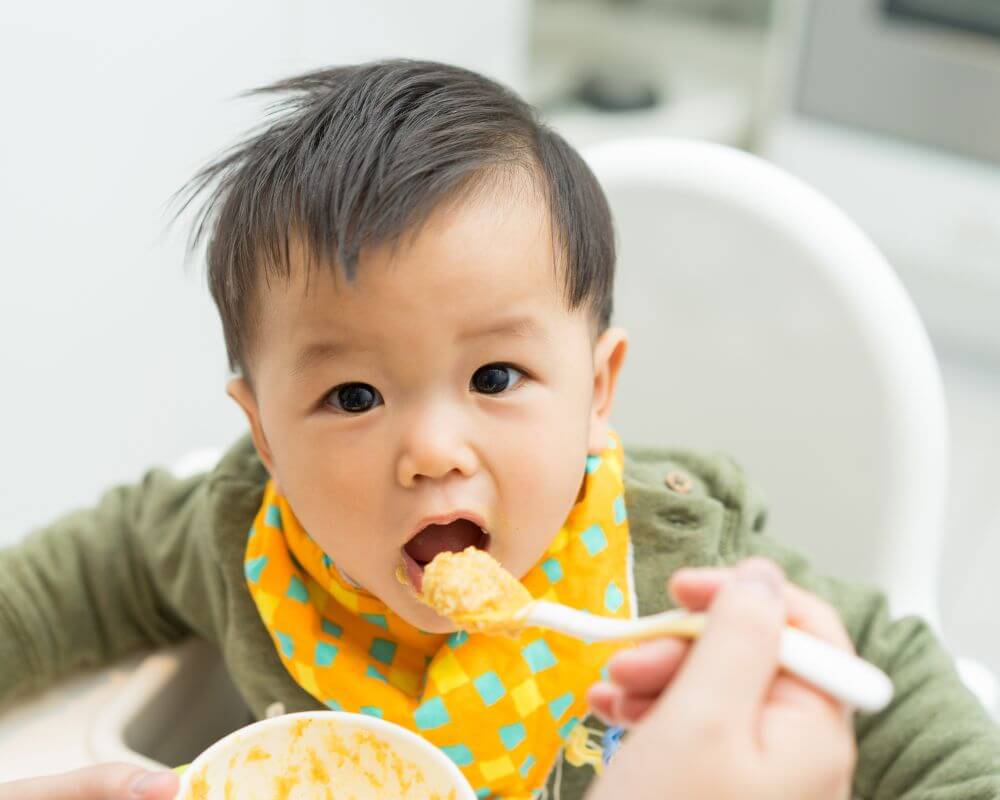
Hey there, fellow parents! As we embark on the exciting journey of introducing our babies to the wonderful world of food, we often wonder about those enticing, flavorful dishes with a hint of spice. When is it safe to add a little zing to your baby’s palate? Can they handle a dash of spice, or should we keep things bland for now? Let’s dive into the spicy world of baby food and find out when and how we can introduce some heat into their tiny tummies.
Is Spicy Food Safe for Babies?
The Spice Dilemma: Before we uncover when babies can start enjoying spicy foods, let’s address the safety concerns. While some spice is an essential part of many cuisines, babies have delicate taste buds and sensitive tummies. Here are some key points to consider:
- Developmental Stage: Babies’ digestive systems are still developing, and their taste preferences are just beginning to form.
- Allergies: Some spices, like chili peppers, can be allergenic. Babies with allergies may experience discomfort or adverse reactions to spicy foods.
- Gastrointestinal Sensitivity: Spicy foods can be tough on tiny tummies, potentially causing digestive upset or diaper discomfort.
When Can You Start Introducing Spice?
Around 8-10 Months: As a general guideline, you can start introducing mild spices to your baby’s diet around 8-10 months of age, typically after they’ve become accustomed to basic solids. However, it’s essential to consult your pediatrician before adding spice to your baby’s meals. Every baby is different, and your pediatrician can offer personalized guidance based on your baby’s development and health.
Best Practices for Introducing Spicy Foods
1. Start Mild: Begin with mild spices like a pinch of cinnamon, a touch of cumin, or a dash of mild paprika. These spices provide flavor without overwhelming your baby’s palate.
2. Gradual Introduction: Slowly increase the amount of spice as your baby becomes accustomed to different flavors and textures.
3. Avoid Hot Peppers: Steer clear of hot peppers or excessive amounts of chili powder, as they can be too intense for tiny taste buds.
4. Homemade Baby Food: Consider making your own baby food with mild spices. This way, you have control over the flavors and can introduce them gradually.
5. Watch for Reactions: After introducing a new spice, watch for any signs of discomfort or allergies. If your baby experiences fussiness, diarrhea, or a rash, consult your pediatrician.
Baby-Friendly Spices to Try
1. Cinnamon: This sweet spice can add a delightful flavor to oatmeal, applesauce, or mashed sweet potatoes.
2. Nutmeg: A pinch of nutmeg can enhance the taste of pureed butternut squash or sweet peas.
3. Cumin: Mild and earthy, cumin is an excellent choice for lentils, carrots, or roasted sweet potatoes.
4. Coriander: This spice pairs well with pureed spinach, peas, or mashed potatoes.
5. Turmeric: Known for its anti-inflammatory properties, a tiny bit of turmeric can be added to rice or pureed cauliflower.
When to Be Cautious
1. Allergenic Spices: Be cautious with spices like mustard, ginger, and black pepper, as they can be allergenic.
2. Acidic Spices: Spices like lemon pepper or vinegar-based seasonings can be too acidic for babies’ sensitive stomachs.
3. Excessive Salt: Avoid overly salty or highly seasoned dishes, as babies’ kidneys are not fully developed to handle excessive salt intake.
4. Monitor Spicy Restaurant Foods: Be cautious when feeding your baby dishes from restaurants, as restaurant-level spice can be intense for your little one.
Gradual Exploration of Flavor
Flavor Education: Introducing your baby to a variety of flavors, including mild spices, is an essential part of their culinary education. It can broaden their palate and make them more adventurous eaters in the long run.
Respect Their Preferences: As you introduce new flavors and spices, remember that your baby may have preferences. Some babies might enjoy a little spice, while others prefer milder foods.
Conclusion
Introducing spice to your baby’s diet can be a flavorful adventure, but it’s essential to do so with care and consideration. Always consult your pediatrician before adding any spice to your baby’s meals. Start with mild spices and monitor their reactions closely. Remember, every baby is unique, so respect their preferences and let their taste buds guide the way. With the right guidance, your baby can start to savor the diverse world of flavors, one tiny spoonful at a time!
Share This Story, Choose Your Platform!



Latest Post


Latest News To Your Inbox
Subscribe to hear about our latest blog posts, competitions and special offers.