
What You’ll Need When Your Baby Starts Solids: A Handy Guide
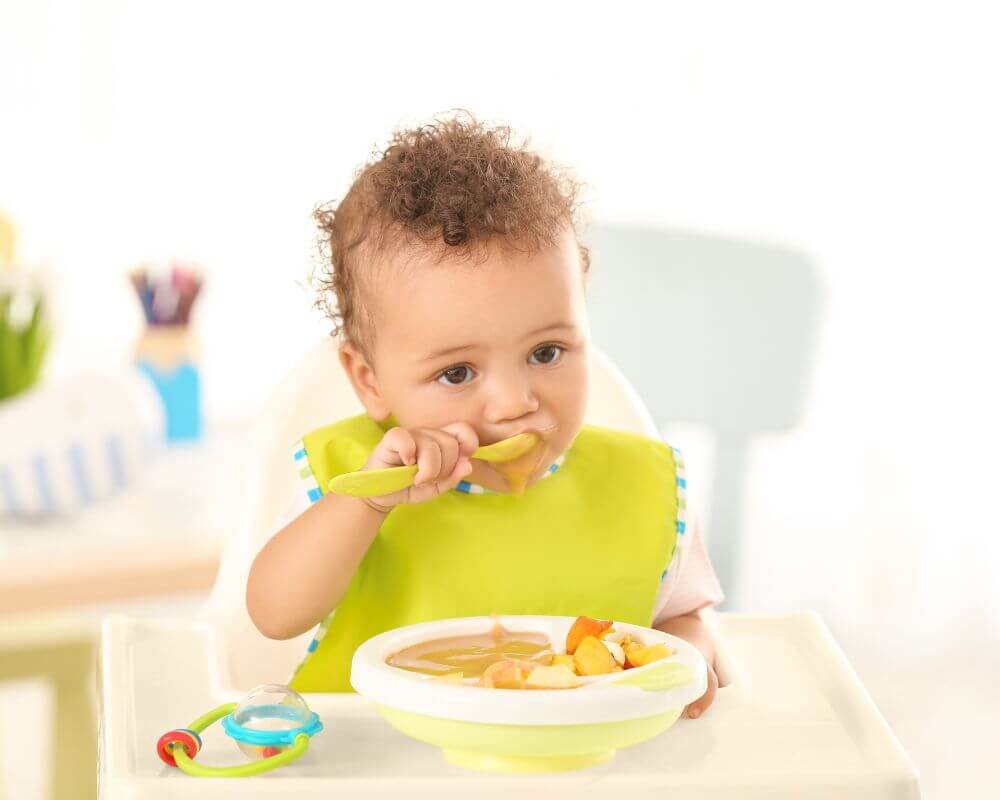
Hey there, fellow parents! One of the most exciting milestones in your baby’s journey is when they’re ready to dive into the world of solid foods. It’s a delightful adventure filled with new tastes, textures, and of course, adorable messy faces. But before you embark on this culinary journey with your little one, you’ll need to make sure you have the essentials at hand. In this comprehensive guide, I’ll walk you through everything you’ll need when your baby starts solids, from feeding gear to nutritious food choices. So, grab a cozy spot, and let’s get started!
Getting Ready for Solid Foods
The First Step: Before you begin introducing solids, make sure your baby is showing signs of readiness. These can include:
- Head Control: Your baby should be able to hold their head up steadily.
- Sitting Up: They should be able to sit well with support or on their own.
- Interest in Food: If your baby shows interest in your meals, like watching you eat or reaching for your food, it might be time to introduce solids.
Essential Feeding Gear
1. High Chair
A safe and sturdy high chair is a must-have. It provides a secure place for your baby to enjoy meals with the family. Look for one with a comfortable seat cushion and adjustable height options.
2. Bibs
Invest in some easy-to-clean bibs to protect your baby’s clothes from food splatters. Silicone bibs are a great choice as they’re waterproof and can be easily wiped clean.
3. Spoons and Utensils
You’ll need soft-tipped baby spoons designed for gentle gums. Opt for utensils that are easy for your baby to hold as they learn to self-feed.
4. Sippy Cups
As you transition to offering water or diluted juice, sippy cups with handles are ideal for little hands. Look for spill-proof options to minimize messes.
5. Plates and Bowls
Baby-sized plates and bowls with suction bases can help prevent mealtime mishaps. They’ll stay in place, even if your baby decides to give them a little push.
6. Food Processor or Blender
For making homemade baby food, a food processor or blender is a valuable tool. It allows you to create smooth purees or mash foods to the right consistency.
7. Storage Containers
Invest in BPA-free storage containers for storing homemade baby food. These containers are freezer-safe, making meal prep a breeze.
Baby-Friendly Foods
8. Single-Ingredient Foods
Start with simple, single-ingredient foods like rice cereal, pureed fruits (apples, pears, bananas), and pureed vegetables (sweet potatoes, carrots). These are easy on your baby’s developing digestive system.
9. Breast Milk or Formula
Keep breast milk or formula on hand to offer before or after solids. It’s still your baby’s primary source of nutrition during the first year.
10. Baby Cereals
Choose iron-fortified baby cereals for added nutrition. Mix them with breast milk, formula, or water to create a smooth, runny consistency.
Safety First
11. Allergen-Free Foods
When introducing allergenic foods like peanuts, eggs, and dairy, make sure you’re well-informed about allergies. Consult your pediatrician if you have concerns.
12. Food Temperature
Always test the temperature of food before offering it to your baby. Food should be lukewarm, not too hot.
13. Supervision
Never leave your baby unattended during mealtime. Babies can quickly put things in their mouths, and choking hazards can lurk where you least expect them.
14. Allergen-Free Foods
When introducing allergenic foods like peanuts, eggs, and dairy, make sure you’re well-informed about allergies. Consult your pediatrician if you have concerns.
Starting the Journey
15. Patience
Remember that introducing solids is a gradual process. Your baby might make funny faces, spit out new foods, or initially prefer one food over another. Be patient and allow them to explore at their own pace.
16. Experiment with Textures
As your baby grows, gradually introduce different textures. Start with smooth purees, progress to thicker textures, and eventually offer small, soft pieces of food for self-feeding.
The Cleanup Crew
17. Bibs and Clothing
Expect a bit of messiness, so keep those bibs handy. Consider dressing your baby in easy-to-clean clothes during mealtime.
18. High Chair Cleanup
A quick wipe-down of the high chair and surrounding area will help keep mealtime messes in check.
Conclusion
Introducing solids to your baby is a joyous adventure that sets the stage for a lifetime of healthy eating habits. With the right gear and nutritious food choices, you’re well-prepared to embark on this exciting journey together. Remember to prioritize safety, offer a variety of foods, and most importantly, savor every moment of your baby’s culinary exploration!
Share This Story, Choose Your Platform!


Latest Post


Latest News To Your Inbox
Subscribe to hear about our latest blog posts, competitions and special offers.