
Is Your Praise Sabotaging Your Child’s Success?
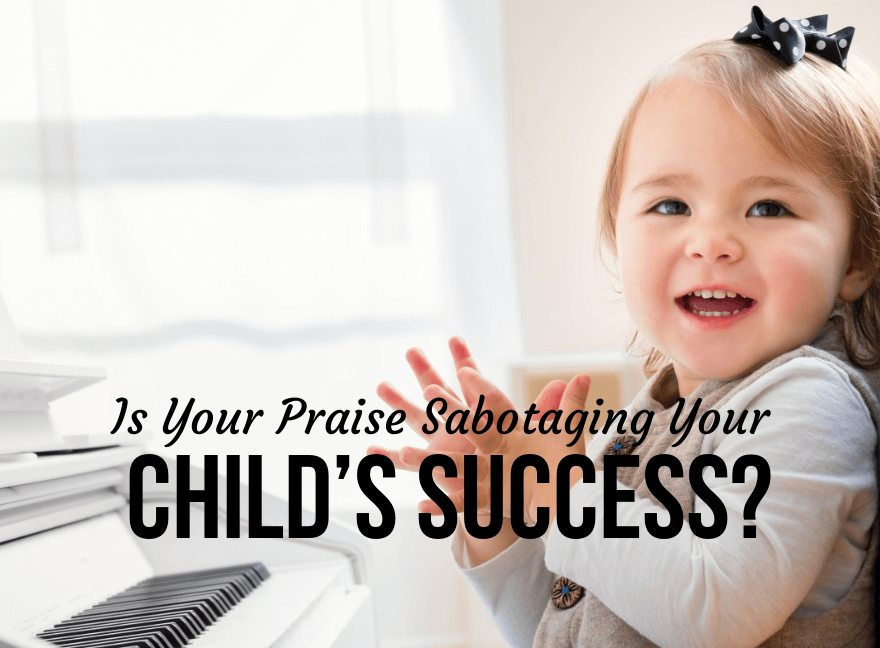
If you’ve ever said “good job!” or “you’re so clever!” to your child today, you’re not doing anything wrong. Praise comes from love, and every parent wants their child to feel proud and capable. But there’s a growing body of research, much of it built on the work of psychologist Carol Dweck at Stanford, that suggests how we praise our children matters just as much as whether we praise them at all. Some kinds of praise can quietly nudge kids towards playing it safe, avoiding challenges, and relying on us to tell them how they’re doing rather than working it out for themselves.
This isn’t about ditching praise altogether. It’s about getting a bit more thoughtful with our words, so the encouragement we give actually builds the resilience and confidence we’re hoping for.
Why “You’re So Smart” Can Backfire
Telling a child they’re smart, talented or a natural feels like a compliment, and it is. The trouble is that it praises a fixed trait rather than something the child actually did. Dweck’s research found that children praised for their intelligence after doing well on a task were more likely to choose an easier task next time, rather than a harder one they could learn from. The theory is that once a child believes they’re “the smart one,” a difficult task that makes them struggle feels like a threat to that identity. Better to stick with what they already know they’re good at.
Compare that to praise aimed at effort or strategy, such as “you kept trying different ways until it worked.” That kind of feedback tells a child that struggling and adapting is exactly what got them the result, which makes the next hard task feel like an opportunity rather than a risk.
The Trouble With “Good Job” on Repeat
“Good job” isn’t a bad phrase, but it’s a bit like white noise if it’s the only feedback your child ever hears. Said constantly and about almost everything, from a drawing to a burp to putting on a sock, it stops meaning much. Some children start to look up after every small action, waiting for the verdict, rather than getting absorbed in what they’re doing. That’s worth noticing, because a big part of childhood development is learning to enjoy activities for their own sake, not just for the applause afterwards.
There’s also a subtler issue. If praise is vague and constant, children can struggle to tell the difference between something they genuinely did well and something that was just fine. Specific feedback helps them build an honest, internal sense of their own skills, which matters much more long term than a steady stream of approval.
What Over-Praising Can Look Like Day to Day
None of this means the odd “well done” will do lasting damage, so try not to panic and start monitoring every sentence. But it’s worth watching for patterns, especially in preschool and primary school aged children:
- Constantly checking in. Your child pauses after every small step to ask “was that good?” rather than continuing on their own.
- Avoiding harder tasks. They stick to jigsaws, games or activities they already know they can nail, and get upset or give up quickly when something is genuinely tricky.
- Getting defensive about mistakes. Rather than shrugging off an error, they seem to take it as evidence they’re “not clever” or “bad at this,” and the reaction feels bigger than the mistake warrants.
If you notice a lot of this, it’s not a sign of failure as a parent. It just means it’s a good moment to shift how you’re framing feedback. And if your child seems unusually anxious about mistakes or struggles a lot with frustration, it’s always worth mentioning to their health visitor, GP, or teacher, just so you have someone else’s eyes on it too.
What to Say Instead: Process Praise and Real Encouragement
The alternative isn’t complicated, it just takes a bit of practice to make it a habit. The idea is to praise the process rather than the person or the outcome. That means naming what your child actually did, not just how it turned out.
Some practical swaps:
- Instead of “You’re so clever,” try “You worked out a really good way to solve that.”
- Instead of “Good boy/girl,” try “I saw you share your toy without being asked, that was kind.”
- Instead of “You’re a natural at football,” try “You’ve been practising that kick every day, and it’s really paid off.”
- Instead of “Well done” for a drawing, try asking “Tell me about this bit here” and letting them talk you through it.
This last one is worth doing more often than you’d think. Asking a genuine question shows more interest than a compliment does, and it gets your child talking about their own thinking, which is far more useful for building confidence than a quick verdict from you.
For toddlers and younger children, keep it simple and concrete: “You put that block right on top, look how tall it is!” rather than “You’re so clever.” Babies and very young toddlers won’t understand the nuance, of course, but you’re building a habit for yourself that will matter more as they get older and start noticing what praise actually says about them.
What About Mistakes and Failure?
A big part of this whole approach is how you respond when things go wrong, not just when they go right. Kids pick up a lot from watching how adults react to their own mistakes too. If you drop something or get an answer wrong in front of your child and you laugh it off and try again, that models exactly the resilience you’re hoping to encourage. Saying something like “that didn’t work, let’s try a different way” out loud, for your own mistakes as well as theirs, teaches children that mistakes are just information, not a verdict on their worth.
The Bottom Line
Praise isn’t the enemy here. Children thrive on warmth, attention and knowing their parents notice them. The shift is a small one: say less about who they are (“clever,” “talented,” “amazing”) and more about what they did (the effort, the strategy, the persistence, the kindness). Over time, this kind of specific, process focused feedback tends to build children who are more willing to try hard things, more comfortable with getting it wrong sometimes, and more able to judge their own efforts without needing constant reassurance from you.
So next time your child proudly holds up a crayon masterpiece, instead of “you’re so talented,” try “you used so many colours, and I can see you spent ages on this.” Small change, but it adds up over hundreds of these little moments, which is really what parenting is made of.
For more on related topics, have a look at our other posts on unstructured play and on nurturing emotional intelligence in babies and toddlers.
Share This Story, Choose Your Platform!


Latest Post

Latest News To Your Inbox
Subscribe to hear about our latest blog posts, competitions and special offers.