How to Keep Babies Cool in the Summer
When the temperature climbs, babies struggle to cope with heat far more than older children or adults do. Their bodies aren’t as good at regulating temperature, they can’t tell you they’re too hot, and they can’t take their own layers off or reach for a drink. That puts the job squarely on you. The good news is that keeping a baby cool and comfortable through summer isn’t complicated once you know what actually matters.
Why babies overheat more easily
A baby’s sweat glands aren’t fully developed, and they have a larger surface area relative to their body weight than an adult, which means they absorb heat from their surroundings more quickly. They also can’t regulate their temperature by shivering or sweating as efficiently as we can. This is why overheating is taken seriously by health professionals, and why it’s linked to an increased risk of Sudden Infant Death Syndrome (SIDS) as well as heat exhaustion and heatstroke in hot weather. None of this is meant to alarm you, it just explains why a bit of extra care in summer genuinely matters.
Dress your baby for the heat, not the calendar
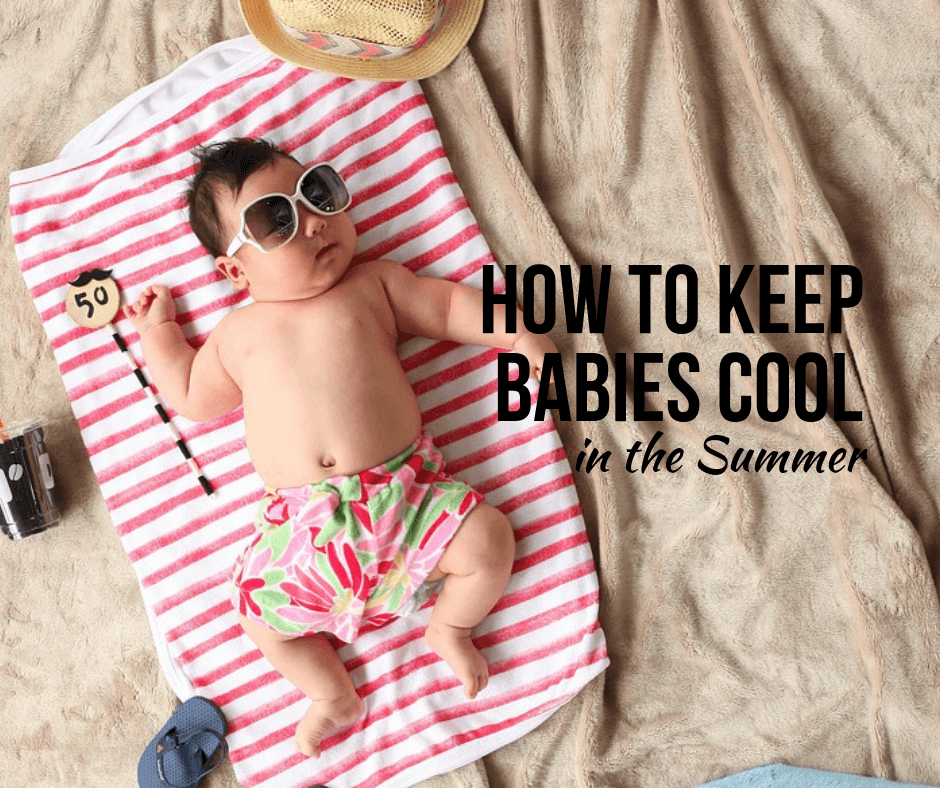
A good rule of thumb that midwives and health visitors often give is to dress your baby in roughly the same number of layers as you’d wear yourself, maybe one layer fewer if it’s genuinely warm. Choose lightweight, loose-fitting clothing in natural fabrics like cotton or bamboo, which breathe far better than synthetic blends. On very hot days at home, a nappy and a light vest may be all your baby needs.
Outdoors, a wide-brimmed hat that shades the face and neck is worth more than almost anything else in your changing bag. Baby sunglasses with UV protection are a nice extra if your baby will tolerate them, but most won’t for long, so don’t stress if they get flung across the pram.
Sunscreen: what’s actually recommended
For babies under six months, the general advice from paediatric guidance is to keep them out of direct sun altogether rather than relying on sunscreen. Use a parasol or the pram hood, dress them in lightweight covering clothing, and stick to shaded areas.
Once your baby is over six months, you can use a sunscreen made specifically for babies, ideally SPF 30 or higher with broad-spectrum UVA/UVB protection. Mineral sunscreens containing zinc oxide or titanium dioxide tend to be gentler on sensitive skin than chemical formulas. Do a small patch test on their inner arm a day or two before you use it properly, just to check for any reaction. Reapply every couple of hours, and straight after any water play or heavy sweating, since even “water resistant” sunscreens wear off. If you want more detail on choosing one, our guide to the best all-natural baby sunscreens goes through ingredients to look for and avoid.
Keeping your baby hydrated
Fluid needs are different depending on age and feeding stage.
- Under 6 months: Breast milk or formula gives your baby all the fluid they need, even in hot weather. You don’t need to offer extra water, and in fact giving formula-fed babies extra water can interfere with their nutrient intake. What you can do is offer feeds more often, since babies often want shorter, more frequent feeds when it’s hot.
- Around 6 months and on solids: You can start offering small sips of cooled boiled water from a cup between meals, in addition to breast milk or formula.
- Older babies and toddlers: Keep water easily accessible throughout the day, not just at mealtimes. A cup they can hold themselves often gets used more than one you have to offer.
Watch for signs of dehydration such as fewer wet nappies than usual, a dry mouth, sunken eyes, or unusual sleepiness. If you’re worried, contact your health visitor, midwife or GP rather than waiting to see if it improves.
Bathing and cooling down
A lukewarm bath (not cold, which can actually cause a baby to shiver and raise their temperature) is one of the simplest ways to cool an overheated baby down. It doesn’t need to be a full bath either. Sponging their face, neck, hands and feet with a damp cloth works well, especially before a nap when they’re grizzly from the heat.
A few other things that genuinely help:
- Keep a couple of damp muslins in the fridge (not freezer) so you’ve got a cool cloth ready to wipe down hands, feet and the back of the neck.
- A hand-held fan or a room fan pointed away from the baby, so it circulates air around the room rather than blowing directly on them, can lower how hot a room feels significantly.
- Cooling mats and gel pads exist and some parents find them useful in a cot or pram, though there’s no need to buy anything expensive. Consistent airflow and light clothing do most of the work.
Getting the room temperature right for sleep
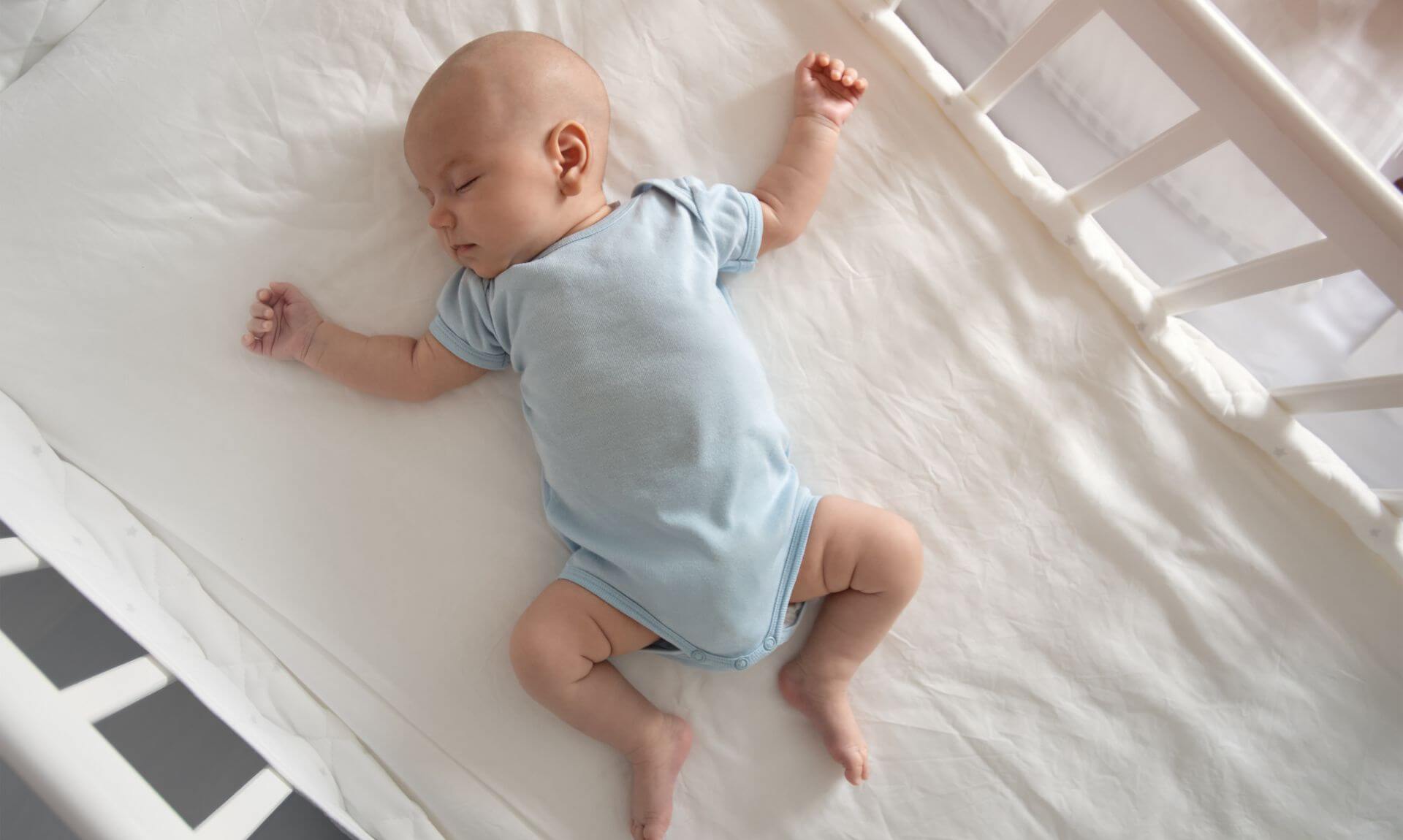
The Lullaby Trust and most UK health guidance recommend keeping a baby’s room somewhere between 16 and 20°C for safer sleep. In a heatwave that’s not always realistic, but you can get closer by closing curtains or blinds during the day to block direct sun, opening windows in the early morning and evening when it’s cooler, and using a fan in the room (not pointed directly at the cot).
Resist the urge to add extra blankets “just in case” on a warm night, and check your baby isn’t overdressed for sleep. A simple check is to feel the back of their neck or their tummy, not their hands or feet, which are often naturally cooler. If they feel clammy or hot to the touch, remove a layer.
Planning your day around the heat
The sun is strongest between around 10am and 4pm, so this is the window to avoid for prams walks, playground trips or garden time if you can help it. Early mornings and early evenings are usually cooler and often more pleasant for everyone anyway. If you do need to be out during peak hours, stick to shaded paths, use a pram with good ventilation rather than draping a muslin over the top (which can trap heat underneath), and keep outings shorter than you normally would.
One thing worth repeating clearly: never leave a baby alone in a parked car, even for a minute, even with the windows cracked. Car interiors heat up extremely fast, far faster than most people expect, and this remains one of the most dangerous and preventable risks in hot weather.
Signs of heat exhaustion or heatstroke to watch for
It helps to know what you’re watching for, rather than just hoping for the best. Contact your GP, health visitor, or NHS 111 (or your local equivalent) if your baby shows any of the following:
- Skin that feels hot to touch but they aren’t sweating
- Unusual irritability, listlessness or difficulty waking
- A rapid heartbeat or breathing
- Vomiting or refusing feeds
- A high temperature (38°C or above in a baby under 3 months, or 39°C or above in an older baby)
If your baby seems seriously unwell, is unresponsive, or you’re at all worried, treat it as an emergency and seek medical help straight away rather than waiting.
The short version
Most of keeping a baby cool in summer comes down to a handful of habits: dress them lightly, keep feeds or fluids going, avoid the strongest sun of the day, keep their sleep space cool and check the back of their neck rather than trusting your own sense of the temperature. None of it needs special equipment or a lot of extra effort, just a bit of attention on the hottest days. If you’re ever unsure whether your baby’s temperature or behaviour is normal for the weather, it’s always worth a quick call to your health visitor or GP rather than guessing.
If you found this useful, you might also want to read:
Share This Story, Choose Your Platform!



Latest Post

Latest News To Your Inbox
Subscribe to hear about our latest blog posts, competitions and special offers.