
6 Reasons a Baby Nurse Is More Important Than You Think

The term “baby nurse” gets thrown around a lot, and it can be confusing because it doesn’t always mean what people think it means. If you’re a tired new parent (or about to become one) trying to work out whether you need this kind of help, here’s what you actually need to know: what a baby nurse does, what she doesn’t do, what it costs, and how to avoid hiring the wrong person.
WHAT IS A BABY NURSE?
A baby nurse, sometimes called a newborn care specialist, is someone who comes to your home to help care for your baby in the early weeks and months. Despite the name, most baby nurses are not registered nurses or medically qualified in a clinical sense. It’s a common mix-up worth knowing about before you hire anyone, because it changes what you should expect from them and what you shouldn’t.
A good newborn care specialist will usually have hands-on training in infant care, feeding support, sleep routines and basic newborn health, but she is not a substitute for your midwife, health visitor or GP. If your baby has jaundice, feeding problems, unusual crying or anything that worries you medically, that’s still a conversation for your own doctor or health visitor, not something to leave entirely in the hands of a baby nurse, however experienced she is.
It’s also worth knowing there’s a related but different role: a postpartum doula. A doula focuses more on supporting the mother, her recovery, feeding and emotional wellbeing, rather than taking over overnight baby care. Some agencies use the terms loosely, so ask exactly what the person is trained and insured to do before you sign anything.
Typically, a baby nurse works in shifts, often overnight (roughly 8 to 12 hours), and will settle the baby, handle night feeds, change and launder bedding, sterilise bottles, and support you with things like bathing and simple infant massage. Many will also happily talk you through practical questions such as tummy time, safe sleep positioning, or what a normal newborn feeding pattern looks like, which can be genuinely reassuring when you’re exhausted and second-guessing everything.
SIX REASONS A BABY NURSE CAN BE MORE VALUABLE THAN YOU’D EXPECT
1. Someone experienced is right there with you
In hospital, midwives and maternity nurses are on hand for every worry, and it’s easy not to notice how much reassurance that gives you until you’re home alone with a crying baby at 3am. A baby nurse fills some of that gap. She’s seen hundreds of newborns, so she can usually tell the difference between normal newborn grumbling and something worth flagging to your GP or health visitor. Reading about baby care in a book is one thing. Having someone beside you who can show you, in real time, how to hold, wind or settle your actual baby is a different level of confidence altogether.
2. She can help you get properly ready before baby arrives
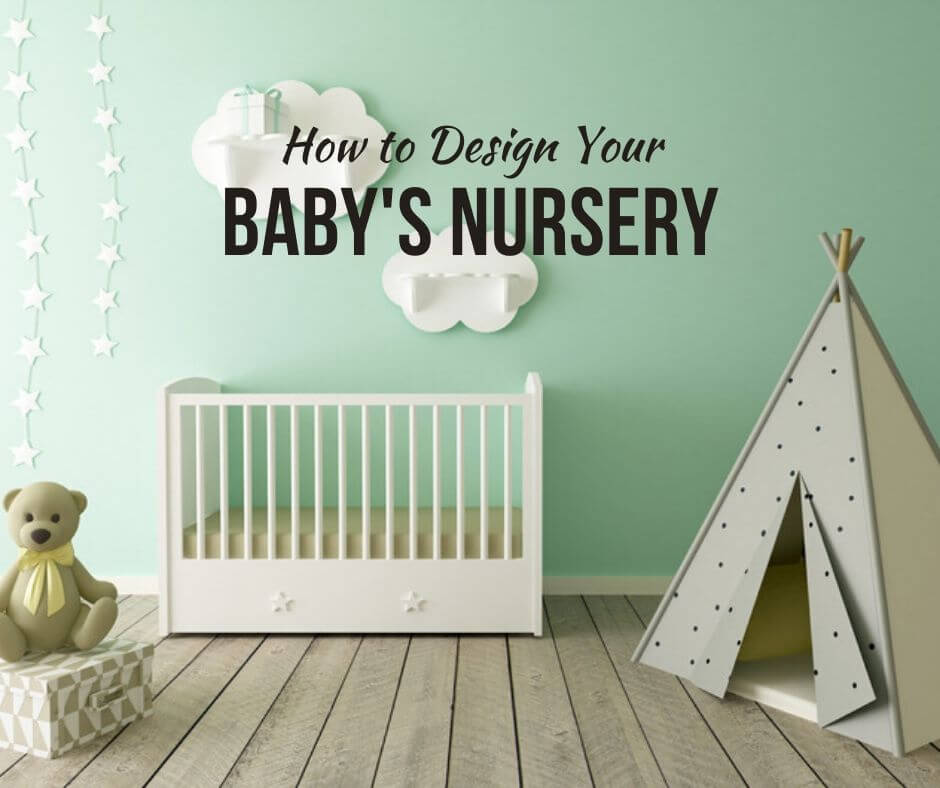
Parents expecting twins, or babies who are more likely to arrive early or need extra care, often book a baby nurse well ahead of the due date, sometimes from around six months of pregnancy, simply because good ones get booked up fast. That early start isn’t wasted time. Many will help you set up the nursery sensibly, work out which products you actually need (rather than everything on a baby registry), and talk through what the first weeks at home tend to look like, including things that catch new parents off guard, like the baby blues, disrupted sleep, and how partners can feel shut out if nobody talks to them about their role too.
3. You get an actual chance to sleep
Sleep deprivation in the newborn stage is not a minor inconvenience. It affects your mood, your patience, your milk supply if you’re breastfeeding, and your ability to cope with anything unexpected. An overnight baby nurse handles night feeds and settling, waking you only if you’re breastfeeding and need to feed the baby yourself, then taking over again afterwards. That stretch of proper sleep, even just five or six unbroken hours, makes a genuine difference to how you function the next day, whether that’s caring for other children, recovering from birth, or simply getting through the morning without snapping at your partner over nothing.
4. Your baby can build healthier sleep habits sooner
An experienced baby nurse who works consistent, calm routines around feeding, winding and settling can help your baby settle into a rhythm a bit sooner than trial and error alone might manage. It’s worth being realistic here: no professional can “sleep train” a two week old baby in the medical sense, and newborns wake frequently by design, which is normal and healthy. What a good baby nurse can do is help you build consistent, safe sleep habits and cues early on, which tends to pay off over the following months.
5. It can take the pressure off family relationships
Having a well-meaning relative move in to help sounds lovely in theory. In practice, it’s often a source of tension, especially when grandparents’ ideas about feeding, sleep or routine clash with current guidance or with what you actually want to do as new parents. A trained baby nurse tends to follow evidence-based practice, explain her reasoning if you ask, and isn’t emotionally invested in doing things “her way” the way a relative might be. Check her references and any certifications properly, and you’re far less likely to end up with a difference of opinion turning into a family argument.
6. Your other children don’t get pushed to the sidelines
If you already have a toddler or older child, splitting your attention between a newborn and everyone else can feel impossible, especially in the first few weeks when the baby seems to need you constantly. A baby nurse taking care of feeds, settling and baby laundry during her shift frees you up to actually sit down and read a story, do the school run, or just give your older child some proper one-on-one time, which matters more than people often realise during this adjustment period.
HOW MUCH DOES A BABY NURSE ACTUALLY COST?
Costs vary a lot depending on where you live, the person’s experience and certifications, and whether you go through an agency or hire independently. As a rough guide, hourly rates often fall somewhere between $16 and $35, though highly experienced newborn care specialists in major cities can charge considerably more, and live-in or round-the-clock arrangements are priced differently again, sometimes as a daily or weekly rate rather than hourly.
Agencies usually charge a placement fee on top of the nurse’s rate, which covers background checks and vetting, so factor that in when you’re comparing options. It genuinely isn’t cheap, and for a lot of families it’s simply not affordable, which is completely understandable. For those who can manage it, or who are lucky enough to have it offered as a gift by family, most parents who’ve used one say the return is well worth it: less burnout, fewer arguments over who does what, better sleep, and more capacity to actually enjoy the newborn stage instead of just surviving it.
WHAT TO WATCH OUT FOR BEFORE YOU HIRE ONE
This is not a formally regulated profession in most places, so the responsibility for checking someone out sits with you. A few things worth doing properly:
- Ask for verifiable references and actually call them, not just read a written testimonial.
- Check for a current infant/paediatric CPR and first aid certificate, and ask when it was last renewed.
- Ask about specific training in newborn care, safe sleep guidelines, and feeding support (breast and bottle).
- Confirm a proper background check has been done, ideally through a reputable agency rather than taking someone’s word for it.
- Ask directly how many other families or shifts she’s currently committed to. Someone working back-to-back shifts across multiple households is more likely to be exhausted, and an overtired carer looking after your baby overnight isn’t the safety net you’re paying for.
Put the arrangement in writing too, even informally: hours, rate, responsibilities, notice period and what happens if either side needs to cancel. It protects you both, and a professional worth hiring won’t mind doing this at all.
Share This Story, Choose Your Platform!


Latest Post


Latest News To Your Inbox
Subscribe to hear about our latest blog posts, competitions and special offers.