
Expressing Breastmilk
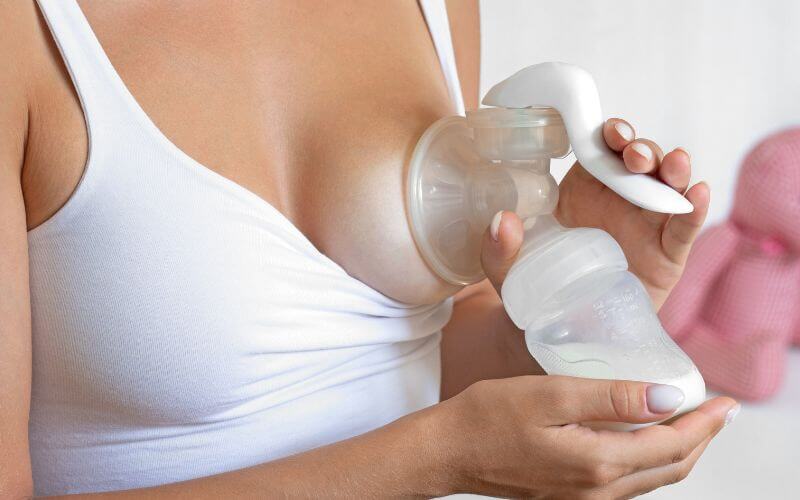
Hey there, fellow mommas and soon-to-be mommas! Today, I want to dive deep into a topic that’s close to every new mom’s heart (literally) – expressing breastmilk. As a seasoned mom of two, I’ve been through the ups and downs of breastfeeding, and I’m here to share my tips, tricks, and all the nitty-gritty details about expressing breastmilk.
Breastfeeding can be a beautiful and rewarding experience, but it’s not always smooth sailing. Whether you’re planning to go back to work, want to give your partner a chance to feed the baby, or just need a break, expressing breastmilk can be a game-changer. So, let’s get started on this comprehensive journey into the world of expressing breastmilk!
Why Expressing Breastmilk?
Breastmilk is a superfood for your little one. It’s packed with essential nutrients, antibodies, and immune-boosting goodness. So, why express breastmilk? Here are some common reasons:
1. Returning to Work
Many moms need to return to work after maternity leave. Expressing breastmilk allows you to continue providing the best nutrition for your baby even when you’re not there.
2. Bonding Time
It’s not just about feeding. Expressing milk lets your partner and other family members bond with the baby during feeds. It’s a fantastic way to involve everyone in the caregiving process.
3. Relief from Engorgement
Sometimes, your milk supply can be more than your little one can handle, leading to engorged breasts. Expressing a bit of milk can provide much-needed relief and make breastfeeding more comfortable for your baby.
4. Flexibility
Expressed milk can be stored for later use, giving you the flexibility to plan outings or even a date night with your partner. Plus, if you’re ever feeling under the weather or need some extra sleep, having stored milk on hand is a lifesaver.
Now that we’ve covered the why, let’s dive into the how!
Getting Started with Expressing Breastmilk
1. Invest in a Good Breast Pump
When it comes to expressing milk, your breast pump is your trusty sidekick. Here are some things to consider:
- Manual vs. Electric: Electric pumps are more efficient for regular use, but manual pumps can be handy for occasional use or travel.
- Double vs. Single: Double pumps save time by expressing from both breasts simultaneously.
- Consider your budget and the frequency of use when choosing a pump.
2. Choose the Right Time
Timing matters when you’re expressing milk. Your milk supply fluctuates throughout the day, so it’s essential to find a time that works for you and stick to a consistent schedule. Many moms find that they have the most success with their morning pump session when milk supply tends to be at its peak.
3. Create a Relaxing Environment
Your surroundings can have a significant impact on your milk flow. Find a quiet, comfortable spot where you can relax during your pumping sessions. Make it your little sanctuary. Have a glass of water and some snacks nearby; expressing can make you thirsty and hungry.
4. Proper Hygiene
Maintaining proper hygiene is crucial to ensure the safety of your expressed milk. Always:
- Wash your hands thoroughly before touching your breasts or pump.
- Ensure your breast pump and all its components are clean and sterilized.
- Use sterile containers for milk storage.
5. Breast Massage and Warm Compress
Before you start pumping, consider incorporating breast massage and warm compress techniques. This can help stimulate milk flow and make expressing more comfortable.
- Gently massage your breasts using a circular motion, working from the outer areas toward the nipple.
- Applying a warm compress before pumping can help open up milk ducts and make it easier for milk to flow.
Expressing Techniques
Now, let’s talk about the actual process of expressing breastmilk. Different methods work for different moms, so it’s essential to find what suits you best.
1. Start with Hand Expression
Before you fire up your pump, consider giving hand expression a try. This technique can help you initiate milk flow and soften your breasts, making it easier for the pump to do its job. Here’s a simple guide:
- Start by washing your hands thoroughly.
- Position your fingers in a “C” shape around your breast, with your thumb on top and your fingers below, about an inch or so behind your nipple.
- Gently compress your breast with your fingers, moving in a rhythmic, rolling motion towards your nipple.
- Collect the expressed milk in a clean container.
2. Using an Electric Pump
Electric breast pumps are popular for their efficiency and ease of use. Here’s how to use one:
- Follow the manufacturer’s instructions for setting up and using the pump. Every brand and model can be slightly different, so it’s crucial to read the manual.
- Ensure a comfortable fit by selecting the correct flange size. Your nipple should move freely within the flange without rubbing against the sides.
- Begin with a low suction level and increase it gradually until you find a setting that mimics your baby’s sucking rhythm without causing discomfort.
- Pump for about 15-20 minutes per breast, or until milk flow slows significantly.
3. Using a Manual Pump
Manual pumps can be an excellent option, especially if you’re on the go or looking for a more affordable choice. Here’s how to use one:
- Begin with short, quick pumps to stimulate milk flow. This mimics your baby’s initial rapid sucking.
- Gradually switch to longer, deeper pumps to mimic the slower, deeper sucking your baby does when the milk starts flowing more freely.
- Pump one breast at a time or both, depending on your preference.
4. Hands-Free Pumping
Ever wished you had an extra pair of hands? Hands-free pumping makes multitasking a breeze. Here’s how to go hands-free:
- Invest in a hands-free pumping bra. These bras have openings or slits that hold the breast pump flanges in place, allowing you to pump without holding the pumps against your breasts.
- Use your hands-free time to catch up on emails, read a book, or simply relax. It’s a game-changer for busy moms!
Storing Expressed Breastmilk
Once you’ve successfully expressed breastmilk, it’s essential to store it properly to maintain its quality and safety.
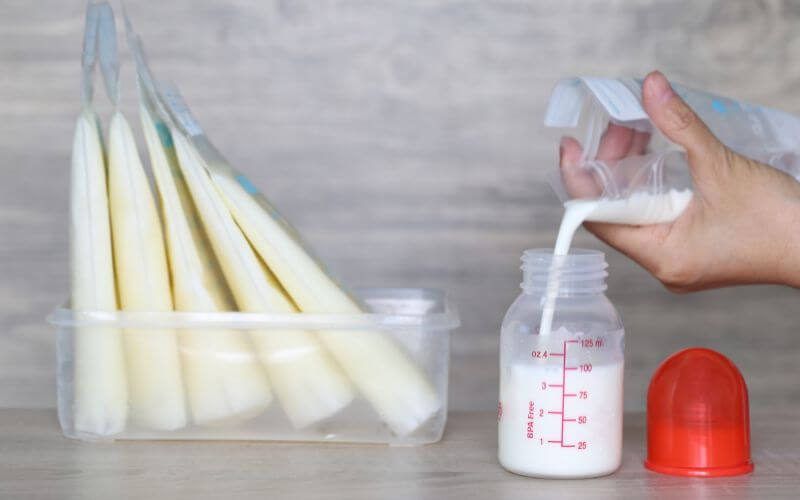
1. Containers and Labels
- Use breast milk storage bags or BPA-free containers specifically designed for storing breastmilk. These containers are sterile and safe for both freezing and refrigeration.
- Always label each container with the date of expression. This helps you keep track of the freshness of your milk.
2. Safe Storage Guidelines
- Freshly expressed breastmilk can be stored at room temperature (up to 77°F or 25°C) for 4-6 hours. Make sure to keep it away from direct sunlight and heat sources.
- In the refrigerator (32-39°F or 0-4°C), breastmilk is good for up to 4 days. Store it in the back of the fridge where the temperature is most stable.
- In a standard freezer (0°F or -18°C), your breastmilk can last anywhere from 6-12 months, depending on the freezer’s temperature consistency. Use the coldest part of the freezer for storage.
3. Thawing and Using Stored Milk
- To thaw frozen breastmilk, place it in the refrigerator overnight or hold the container under warm running water.
- Never microwave breastmilk as it can create hot spots that may scald your baby’s mouth. Microwaving also destroys some of the milk’s beneficial properties.
- Use thawed milk within 24 hours. Once it’s thawed, don’t refreeze it.
Troubleshooting Common Issues
While expressing breastmilk can be a wonderful experience, it’s not always without its challenges. Here are some common issues you might encounter and how to address them:
1. Low Milk Supply
- Stay hydrated and eat a balanced diet rich in breastfeeding-friendly foods, such as oatmeal, flaxseeds, and dark leafy greens.
- Try power pumping, which involves pumping for shorter, more frequent sessions over a day or two to help boost your milk supply.
- If you’re struggling with low milk supply, consider consulting a lactation consultant for personalized guidance.
2. Painful Pumping
- Check your pump’s settings and ensure a proper fit. The flange (the funnel-shaped part that goes over your breast) should fit comfortably around your nipple.
- Lubricate the flanges with lanolin or coconut oil to reduce friction and make pumping more comfortable.
3. Milk Storage Mistakes
- To avoid wasting precious breastmilk, label and organize your milk properly in the fridge or freezer. Use the “first in, first out” rule to ensure you use the oldest milk first.
- Follow recommended storage guidelines to ensure your milk stays safe and nutritious for your baby.
Making It a Positive Experience
While expressing breastmilk is a practical necessity for many moms, it can also be a time of self-care and bonding with your baby. Here are some tips to make the experience as positive as possible:
- Don’t stress about the ounces. Every drop counts! Your body will adjust to your baby’s needs over time.
- Enjoy the quiet moments while expressing. Use this time for self-care, whether it’s catching up on your favorite TV show, reading a book, or just taking a deep breath.
- Consider pumping while watching your favorite show or listening to soothing music. Create a cozy environment to help you relax.
Conclusion
Expressing breastmilk can be a valuable tool in your parenting journey, offering you flexibility and convenience without compromising on your baby’s nutrition. Remember, every mom’s journey is unique, and what works best for one may not work for another. Be patient with yourself, seek support when needed, and cherish the special moments you share with your little one.
So, there you have it – my comprehensive guide to expressing breastmilk. I hope this article helps you navigate this aspect of motherhood with confidence and ease. Feel free to share your experiences and tips in the comments below. We’re all in this together!
Share This Story, Choose Your Platform!


Latest Post


Latest News To Your Inbox
Subscribe to hear about our latest blog posts, competitions and special offers.