Coffee, Caffeine, and Breastfeeding

Hello there, fellow parents and coffee aficionados! If you’re anything like me, that morning cup of joe can feel like a lifeline, especially when navigating the early hours with a little one. But if you’re breastfeeding, you might find yourself wondering, “Is it safe to indulge in caffeine?” Worry not, because in this caffeine-fueled journey, we’ll explore everything you need to know about coffee, caffeine, and breastfeeding. So grab your favorite mug, cozy up, and let’s dive into the world of sippin’ and nurturin’!
The Coffee Conundrum: To Brew or Not to Brew?
Why the Caffeine Question Matters
Coffee and caffeine are beloved by many, providing that much-needed energy boost and a moment of relaxation. However, when you’re breastfeeding, caffeine can have implications for both you and your baby. Let’s break it down:
- For Moms: Caffeine can affect your milk supply, your baby’s sleep patterns, and even their fussiness.
- For Babies: Newborns and young infants have immature metabolisms, making it challenging for them to process caffeine.
Understanding Caffeine Content
Different coffees and beverages contain varying amounts of caffeine. Here’s a rough guide to caffeine content:
- Brewed Coffee (8 oz): 95 mg of caffeine on average
- Espresso (1 oz): 63 mg of caffeine on average
- Black Tea (8 oz): 47 mg of caffeine on average
- Green Tea (8 oz): 28 mg of caffeine on average
- Soda (12 oz): About 34 mg of caffeine on average
Now that we’ve got the basics down, let’s delve deeper into the impact of caffeine on breastfeeding.
Caffeine and Breast Milk: What You Need to Know
1. Caffeine and Milk Supply
One of the primary concerns among breastfeeding moms is whether caffeine can affect milk production. The good news is that moderate caffeine consumption (around 200-300 mg per day, equivalent to 1-2 cups of coffee) is generally considered safe and shouldn’t significantly impact your milk supply. However, excessive caffeine intake can lead to dehydration, which may affect milk production.
2. Timing Matters
Caffeine takes time to reach its peak concentration in breast milk, typically 1-2 hours after consumption. To minimize its impact on your baby, consider having your coffee right after a breastfeeding session. This way, the caffeine levels in your milk will be lower when your baby feeds again.
3. Watch Your Baby’s Behavior
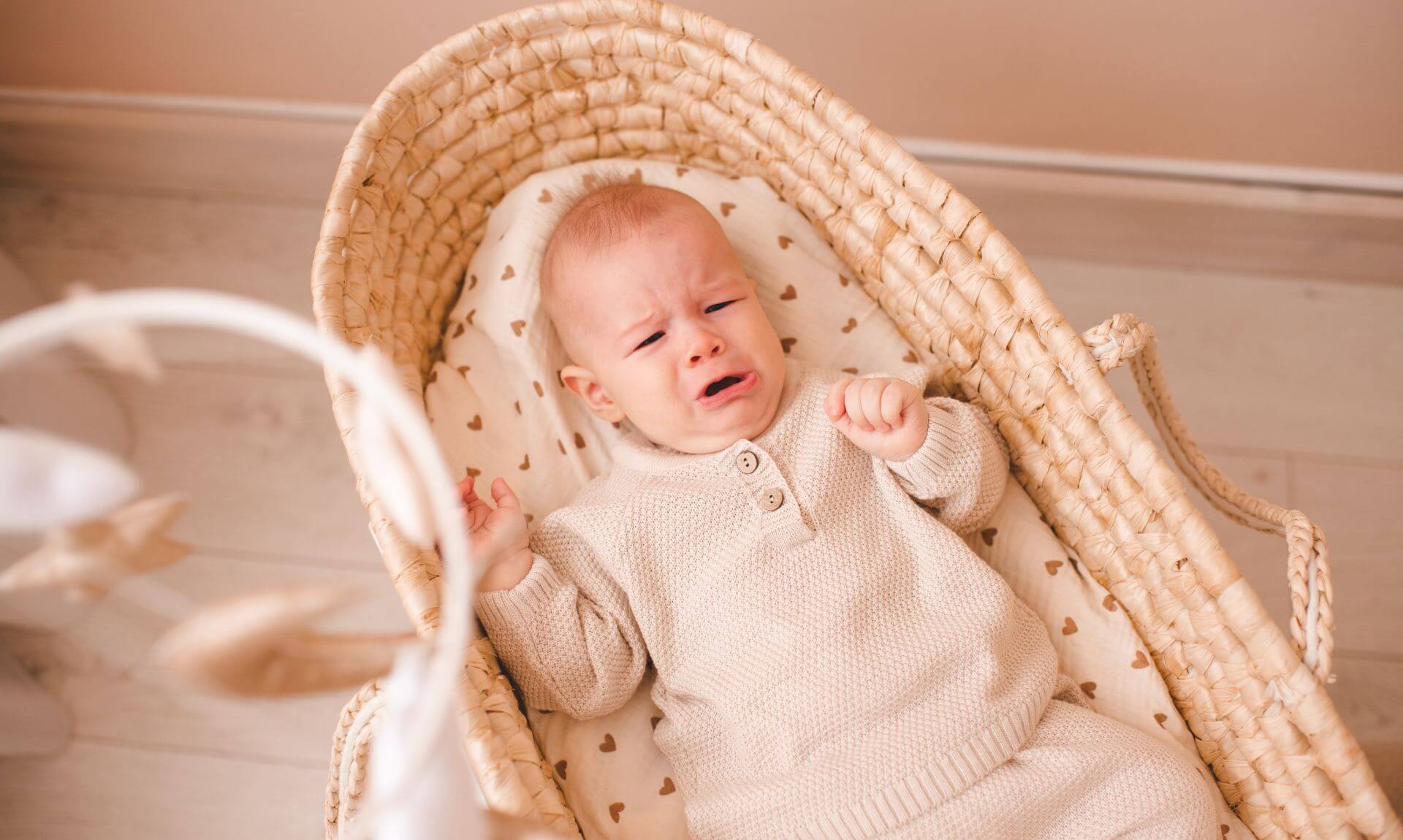
Some babies are more sensitive to caffeine than others. Watch for signs of jitteriness, restlessness, or trouble sleeping in your little one. If you notice these symptoms, you might want to adjust your caffeine intake accordingly.
4. Keep Hydrated
Caffeine is a diuretic, meaning it can increase urine production and potentially lead to dehydration. Be sure to drink plenty of water throughout the day to stay well-hydrated, especially if you’re enjoying caffeinated beverages.
5. Moderation Is Key
The key to balancing caffeine and breastfeeding is moderation. Enjoy your coffee, but be mindful of your caffeine intake. If you’re concerned about how caffeine might be affecting your baby, consider cutting back or switching to decaffeinated options.
Decaf and Other Alternatives
If you’re a die-hard coffee lover but worried about caffeine, decaffeinated coffee is a fantastic option. It offers the comforting taste of coffee without the caffeine punch. Just be sure to choose decaf made using the Swiss Water Process or the carbon dioxide method, which are chemical-free decaffeination processes.
Additionally, there are various caffeine-free alternatives that can still satisfy your cravings:
- Herbal Tea: Opt for caffeine-free herbal teas like chamomile, rooibos, or peppermint.
- Hot Chocolate: A delicious cup of hot chocolate can provide warmth and comfort without caffeine.
- Golden Milk: This trendy beverage made with turmeric and other spices is soothing and caffeine-free.
- Fruit-Infused Water: Infuse your water with slices of lemon, cucumber, or berries for a refreshing twist.
The Bottom Line: Sip Smartly, Mama
In the world of coffee, caffeine, and breastfeeding, it all comes down to balance and moderation. You don’t have to bid farewell to your beloved brew, but being mindful of your caffeine intake can help you and your baby have a smoother journey. Remember, every baby is unique, so pay attention to your little one’s cues and adjust your caffeine habits accordingly. Sip smartly, mama, and enjoy those precious moments with your bundle of joy!
FAQs: Your Burning Caffeine Questions Answered
Let’s address some common questions about caffeine and breastfeeding to ensure you’re well-informed:
Can caffeine make my baby fussy?
Yes, caffeine can make some babies fussy or irritable. If you notice this in your baby, consider reducing your caffeine intake.
How long does caffeine stay in breast milk?
Caffeine reaches its peak in breast milk about 1-2 hours after consumption, but its effects can last for several hours.
Can I drink other caffeinated beverages besides coffee?
Certainly! Tea, soda, and some energy drinks also contain caffeine. Be mindful of your total daily caffeine intake from all sources.
When can I reintroduce caffeine after giving birth?
You can gradually reintroduce caffeine after giving birth, but it’s a good idea to wait until your baby is a few weeks old to allow your milk supply to establish.
Share This Story, Choose Your Platform!


Latest Post


Latest News To Your Inbox
Subscribe to hear about our latest blog posts, competitions and special offers.