
Best Breastfeeding Diet for High-Quality Breast Milk
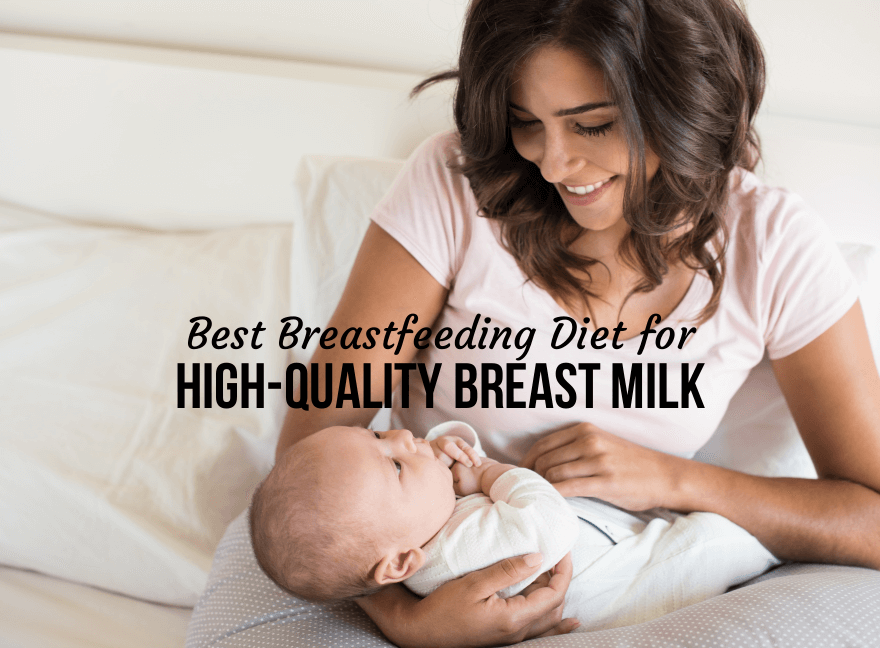
If you’re breastfeeding, you’ve probably heard some version of “you need to eat well for your milk.” It’s true, but not in the way most people think. Your body is remarkably good at producing nutritious milk even when your diet isn’t perfect, so please don’t panic if you’ve had a week of toast and biscuits because you were too exhausted to cook. That said, what you eat over time does affect certain things about your milk, and eating well makes a real difference to how you feel, which matters just as much when you’re running on broken sleep.
Let’s go through what actually matters, what’s more myth than fact, and how to build a breastfeeding diet that works for real life rather than a wellness blog fantasy.
Does Diet Really Affect Your Milk?
Yes and no, and the distinction is worth understanding because it stops you worrying about the wrong things.
Your body prioritises milk production. Even if your own diet is lacking, your body will pull calcium, protein and certain other nutrients from your own stores to keep your milk relatively stable. That’s partly why so many new mums feel their bones ache or notice their hair thinning: your body is quietly rerouting resources to your baby.
What your diet does clearly influence is the type of fat in your milk, and certain micronutrients: vitamin D, vitamin B12, iodine, choline and the DHA form of omega-3 fat. These can genuinely run low in your milk if they’re low in your own diet, which is why they’re worth paying attention to rather than the more general “eat a rainbow” advice.
What diet does not reliably do is increase your milk supply. Supply is driven mainly by how often and how effectively milk is removed, through feeding or pumping, and by hormonal signals responding to that demand. No food magically switches on extra production if your baby isn’t feeding often enough or isn’t attaching well. If you’re worried about low supply, that’s a conversation for a midwife, health visitor or breastfeeding counsellor rather than something to solve with a specific smoothie.
Hydration: Drink to Thirst, Not to a Number
You will likely feel thirstier while breastfeeding, and it’s sensible to keep water nearby, especially during a feed. But forcing down extra litres beyond what your thirst tells you doesn’t boost your milk supply either, and can occasionally leave you feeling bloated and uncomfortable for no benefit. A reasonable rule of thumb is to drink enough that your urine is pale yellow, and to have a drink within reach every time you sit down to feed. Most breastfeeding mothers find they naturally drink somewhere around 2 to 3 litres a day including all fluids, not just water.
You Need More Calories, Not Fewer
This is the bit that surprises a lot of new mums who are keen to “get their body back.” Exclusively breastfeeding typically requires roughly an extra 330 to 400 calories a day above your normal needs, more if you’re feeding twins or a particularly hungry baby. Severe calorie restriction or crash dieting in the early months isn’t a good idea: it can leave you exhausted, affect your mood, and in some cases affect your milk supply. If you want to lose baby weight, gradual and gentle is the way to go, and it’s worth chatting to your GP or health visitor before starting any diet plan while breastfeeding.
Building a Genuinely Balanced Plate
You don’t need a special “breastfeeding diet” so much as a solid, varied diet that you’d want anyway. Aim to build most meals around these:
- Protein: chicken, fish, eggs, tofu, beans, lentils. Roughly two portions a day is a good target, more if you can manage it.
- Complex carbohydrates: oats, wholegrain bread, brown rice, potatoes with skins, for steady energy rather than the sugar crash of white bread and pastries.
- Fruit and vegetables: aim for a good variety of colours across the week rather than obsessing over five a day exactly.
- Dairy or calcium-rich alternatives: milk, yoghurt, cheese, or fortified plant milks if you’re dairy free.
- Healthy fats: olive oil, avocado, nuts, seeds, and oily fish for omega-3.
Realistically, with a newborn, meal prep goes out the window some days. Batch-cooked stews, overnight oats, and a stash of hard-boiled eggs or tinned fish in the cupboard will do more for you than any elaborate meal plan you don’t have the energy to follow.
Nutrients Worth Paying Particular Attention To
A handful of nutrients are genuinely worth being deliberate about while breastfeeding:
- Vitamin D: in the UK, guidance is that breastfeeding mothers take a daily supplement of 10 micrograms, largely because sunlight exposure and diet alone rarely provide enough, especially over autumn and winter. Babies who are breastfed are also usually given their own vitamin D drops, check with your health visitor.
- Vitamin B12: important if you follow a vegan or largely plant-based diet, as B12 comes almost entirely from animal foods or fortified products and supplements.
- Iodine: needed for your baby’s brain development, found in dairy, eggs and white fish. Vegan mothers in particular should discuss this with their GP.
- Omega-3 (DHA): found in oily fish like salmon, mackerel and sardines, and linked to brain and eye development. If you don’t eat fish, an algae-based omega-3 supplement is a reasonable alternative.
- Iron: many women are already a bit low after pregnancy and birth, so red meat, lentils, and dark leafy greens (ideally with a source of vitamin C alongside, to help absorption) are worth including regularly.
A standard pregnancy or breastfeeding multivitamin can help cover gaps, but it’s not a substitute for actual food, and it’s always worth checking the label and running any supplement past your GP or pharmacist, particularly for vitamin A, which can be harmful in high doses.
What About “Milk-Boosting” Foods Like Oats and Fenugreek?
You’ll come across long lists of so-called lactogenic foods: oats, fenugreek, fennel, brewer’s yeast, garlic, dark leafy greens. Plenty of breastfeeding mums swear these have helped their supply, and there’s no harm in enjoying oats or leafy greens as part of a healthy diet regardless.
The honest picture, though, is that the scientific evidence behind most of these as actual supply boosters is weak or mixed. Fenugreek in particular is worth a word of caution: it can lower blood sugar, so it’s not ideal if you have diabetes, and it can occasionally cause an upset stomach in mum or baby, plus it gives both sweat and urine a distinctive maple-syrup smell that catches people off guard. If you want to try any of these, it’s fine to do so, but treat them as a small extra rather than your main strategy, and speak to your midwife or a lactation consultant if you’re genuinely worried about low supply, since there are usually more effective things to look at first, like feeding frequency and attachment.
Good Foods to Lean On
- Oily fish such as salmon, mackerel and sardines, for omega-3. In the UK, guidance is no more than two portions of oily fish a week while breastfeeding, and to avoid shark, swordfish and marlin, and limit tuna, because of mercury levels.
- Eggs, a genuinely good source of protein and choline, useful for your baby’s brain development.
- Greek yoghurt, good for protein and calcium. It’s often said to support your baby’s gut via probiotics, though the direct evidence for that specific benefit passing through breast milk is limited. It’s still a solidly nutritious choice for you.
- Berries and other fruit, for vitamins and fibre, and an easy way to satisfy a sweet craving without reaching for biscuits every time.
- Leafy greens like spinach and kale, for iron, calcium and folate.
Caffeine and Alcohol: Sensible Limits, Not Zero Tolerance
Caffeine does pass into breast milk in small amounts. Most guidance suggests keeping to around 200mg a day, roughly two mugs of instant coffee or a couple of cups of tea, especially in the early weeks when your baby’s system is still immature at processing it. If your baby seems unusually unsettled or wakeful, it’s worth noticing whether your caffeine intake has crept up.
Alcohol also passes into breast milk, peaking roughly 30 to 60 minutes after drinking. There’s no need to avoid it entirely, but the safest approach is to have a drink after a feed rather than before one, and to allow roughly 2 to 3 hours per standard drink before feeding again, so your body has time to clear it. Pumping and dumping doesn’t speed up clearance, that’s a myth, it only helps if you need relief from a full breast. If you’ve had more than a drink or two, or plan a proper night out, it’s worth having expressed milk ready or a plan for someone else to do that feed.
Traditional Postpartum Diets: Interesting, Not Gospel
Many cultures have long-standing traditions around what new mothers should eat after birth, often built around warm, nourishing, easily digested foods like soups, broths, and stews rich in protein and fat. There’s genuine wisdom in some of this: postpartum recovery is real work, and warm, simple, energy-dense food is easier to manage than an ambitious salad when you’re exhausted and healing.
You may also come across older writings, such as those of dentist and researcher Weston A. Price, who studied traditional diets in the early twentieth century and argued strongly for nutrient-dense animal foods like liver, egg yolks and full-fat dairy. Some of the specific recommendations that have grown up around his work, including very high daily doses of cod liver oil for vitamin A, go well beyond what’s considered safe today. Excess vitamin A during breastfeeding and pregnancy is a genuine concern, so if you’re tempted by any supplement regime you’ve read about online promising to supercharge your milk, check the doses against current NHS or your GP’s advice before taking it. More is not automatically better, and some of these older protocols predate what we now know about vitamin A toxicity.
Looking After Yourself, Not Just Your Milk
It’s easy for every conversation about breastfeeding to become entirely about the baby’s nutrition, but your own wellbeing matters here too. Skipping meals because you’re too busy, running on caffeine and adrenaline, and not sleeping enough will catch up with you, and low mood or exhaustion can make the whole breastfeeding relationship harder, not easier. Eating regularly, even simple food, resting when you can, and accepting help with meals or housework isn’t indulgent, it’s part of making breastfeeding sustainable.
The Bottom Line
You don’t need a perfect diet to make good milk. Your body is doing most of the heavy lifting regardless of what’s on your plate on any given day. What genuinely helps is eating enough overall, including a decent spread of protein, fruit and veg, whole grains and healthy fats, keeping an eye on vitamin D, B12, iodine and omega-3, going easy on caffeine and alcohol, and treating any “miracle” milk-boosting food or supplement with a healthy dose of scepticism. If you’re worried about your supply, your baby’s weight gain, or anything else, your midwife, health visitor or a breastfeeding counsellor is a far better resource than a list of superfoods, so don’t hesitate to ask.
Share This Story, Choose Your Platform!



Latest Post


Latest News To Your Inbox
Subscribe to hear about our latest blog posts, competitions and special offers.