
The Ultimate Guide to Baby Massage: Bonding, Soothing, and Nurturing

Hello there, wonderful parents and caregivers! If you’re looking for a way to connect with your baby on a deeper level while promoting their well-being, you’ve come to the right place. Baby massage is not just about making your baby feel good; it’s a beautiful way to enhance your bond and provide numerous benefits for both of you. In this extensive guide, we’ll explore the art of baby massage in great detail. From understanding the incredible benefits to mastering the techniques and creating the perfect ambiance, you’ll have all the tools you need to make baby massage an enriching part of your parenting journey.
Introduction: The Art of Baby Massage
Baby massage is more than just a routine—it’s a heartfelt connection between you and your little one. Whether you’re a first-time parent or have a growing family, learning the art of baby massage is a wonderful way to deepen your relationship. Let’s embark on this journey of gentle touch and nurturing care.
Part 1: The Benefits of Baby Massage
Understanding why baby massage is so valuable can motivate you to incorporate it into your daily routine. Here’s why it’s worth your time:
1. Bonding and Attachment
- Promoting bonding: Baby massage fosters an intimate connection between you and your baby. The physical touch, eye contact, and soothing presence all contribute to a strong bond.
- Enhancing attachment: Consistent massage can reinforce feelings of security and trust, essential for healthy attachment between parent and child.
2. Relaxation and Sleep
- Promoting relaxation: The gentle strokes and rhythmic movements of massage help your baby relax and reduce stress levels, making it an excellent way to soothe a fussy baby.
- Improving sleep: Many parents find that massaging their baby before bedtime can lead to longer and more restful sleep for both baby and themselves.
3. Physical Development
- Aiding digestion: Gentle tummy massages can help alleviate gas and constipation, promoting smoother digestion.
- Enhancing muscle development: Baby massage contributes to better muscle tone and coordination as your baby grows.
Part 2: Preparing for Baby Massage
Before we begin the massage, it’s crucial to set the stage for a successful and enjoyable session:
1. Choose the Right Time
- Pick a calm moment: Choose a time when your baby is awake but not overly hungry or tired. A massage should be a relaxed experience for both of you.
2. Create a Peaceful Atmosphere
- Find a cozy spot: Select a quiet, warm, and comfortable place where you and your baby can be undisturbed. A soft blanket or mat on the floor can work well.
- Dim the lights: Soft lighting or natural light is ideal. Avoid harsh overhead lights that can be too stimulating.
3. Gather Supplies
- Use a mild, hypoallergenic oil: Baby-specific oils or moisturizers are gentle on your baby’s skin. Avoid fragranced products that could irritate.
- Have a towel or cloth handy: This can help you wipe off excess oil during or after the massage.
Part 3: Baby Massage Techniques
Now, let’s get into the heart of baby massage with a step-by-step guide:
1. Start with a Warm-Up
- Gentle cuddles: Begin by holding your baby close and cuddling for a few minutes. This helps them relax and prepares them for the massage.
2. Legs and Feet
- Leg strokes: Gently stroke your baby’s legs from thigh to ankle using long, smooth motions. Repeat several times.
- Ankle rotations: Hold your baby’s ankle and gently rotate their foot in a circular motion. This can help with flexibility.
3. Tummy and Chest
- Tummy circles: With your fingertips, draw small circles on your baby’s tummy in a clockwise direction. This can aid digestion.
- Chest strokes: Using your fingertips, stroke gently from the center of the chest outward in a fan-like motion. Be careful around the delicate area of the nipples.
4. Arms and Hands
- Arm strokes: Similar to the legs, stroke your baby’s arms from shoulder to wrist using gentle, even pressure.
- Hand massages: Gently rub their palm with your thumb, then stroke each finger from base to tip.
5. Face and Head
- Face strokes: Use your fingertips to trace a heart shape on your baby’s face—down from the forehead to the chin, and then out to the sides.
- Head massage: Very gently, use your fingertips to make small circles on your baby’s scalp. Avoid using pressure on the soft fontanelles.
6. Back Massage
- Back strokes: Turn your baby onto their tummy and use long, gentle strokes from the neck down to the buttocks. Be sure to support their head and neck.
7. Wind Down and Cuddle
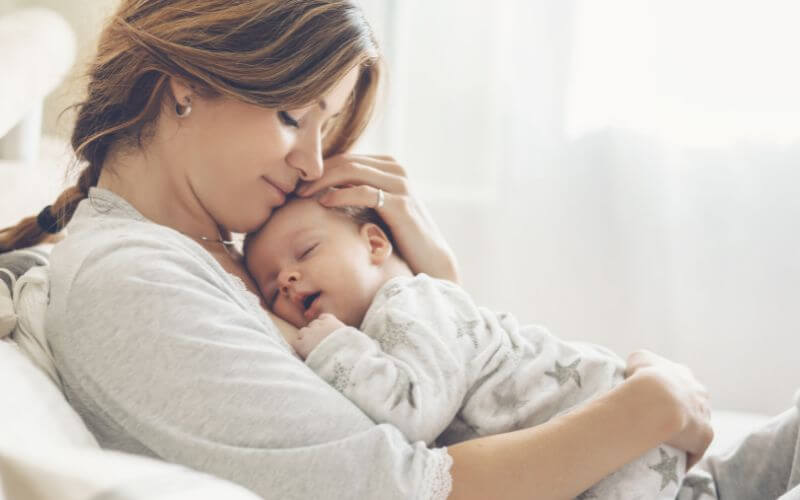
- Cuddle time: After the massage, cuddle your baby and let them relax in your arms. This is an excellent opportunity for bonding.
Part 4: Safety and Sensitivity
As you embark on your baby massage journey, keep these important points in mind:
1. Respect Your Baby’s Cues
- Watch for cues: Pay attention to your baby’s signals during the massage. If they seem uncomfortable or fussy, it’s okay to pause or stop.
2. Gentle Pressure
- Use a light touch: Baby’s skin is sensitive, so apply gentle and even pressure during the massage. Your touch should be soothing, not forceful.
3. Temperature
- Keep it warm: Ensure the room is comfortably warm, as your baby will be undressed for the massage.
Conclusion: The Gift of Touch
In conclusion, baby massage is a precious gift you can give to your little one. It’s a time to connect, soothe, and nurture both your baby’s body and soul. As you practice and become more comfortable with baby massage, it will become a cherished routine in your daily life, providing moments of love, relaxation, and bonding. Enjoy this incredible journey of touch, connection, and love with your baby.
Share This Story, Choose Your Platform!


Latest Post


Latest News To Your Inbox
Subscribe to hear about our latest blog posts, competitions and special offers.