Baby Hearing Development: Unveiling the Symphony of Sounds

Hey there, fellow parents and curious minds! Today, I’m absolutely thrilled to dive deep into the fascinating world of baby hearing development. From those precious first cries to the delightful giggles and the sweet lullabies, your baby’s journey of sound is a symphony that deserves our attention. So, grab a cozy spot, maybe a cup of tea, and let’s embark on a melodic exploration of your baby’s evolving sense of hearing.
The Musical Prelude: Hearing Before Birth
In the Womb
Believe it or not, your baby’s auditory adventure begins long before they make their grand entrance into the world. By the time they are halfway through their gestational journey, at around 20 weeks, their ears are already tuned in to the sounds of the womb.
The Lullaby of Mom’s Heartbeat
The first sounds your baby becomes familiar with are the rhythmic thumping of your heartbeat and the gentle whooshing of blood through your arteries. These sounds provide comfort and reassurance, creating a soothing backdrop for their early development.
Birth and the Gift of Hearing
That First Cry
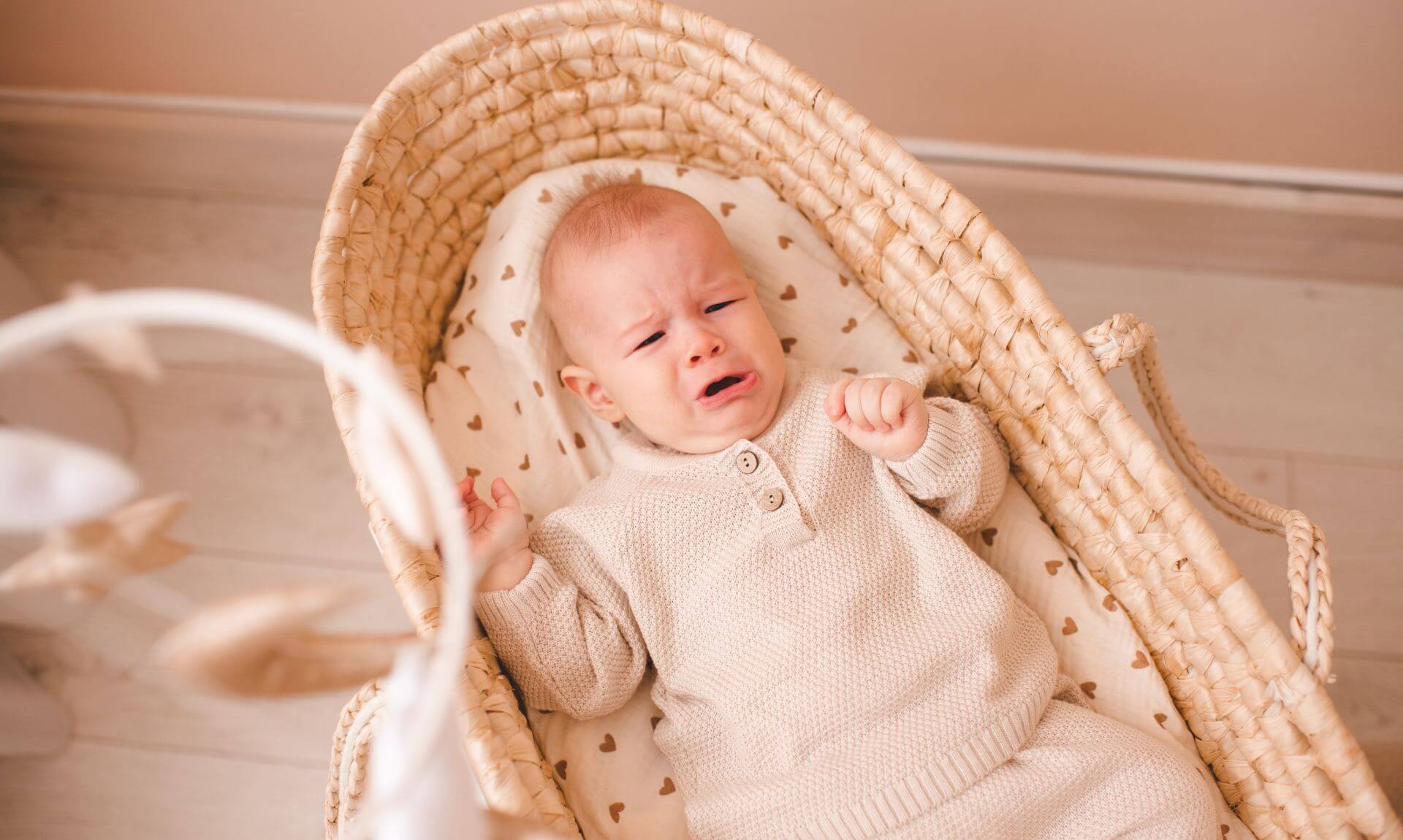
One of the most iconic moments in a baby’s life is their first cry after birth. This cry signifies not only the arrival of a new life but also the awakening of their sense of hearing. They are now part of the world of sounds, and it’s a world full of wonder.
Newborn Hearing Screening
Many hospitals perform newborn hearing screenings shortly after birth. This simple test helps identify any potential hearing issues early, allowing for timely intervention if needed.
Baby’s Ears: The Marvelous Instruments
The Ear Anatomy
Understanding the basic anatomy of your baby’s ears can help you appreciate the intricacies of their hearing development:
- Outer Ear: The visible part of the ear, including the earlobe and ear canal.
- Middle Ear: This section contains the eardrum and three small bones (ossicles) that transmit sound vibrations.
- Inner Ear: The inner ear houses the cochlea, a spiral-shaped organ responsible for translating sound into electrical signals for the brain.
The Developmental Symphony: Milestones in Hearing
Birth to Three Months
During this time, your baby is getting accustomed to the world of sounds. Key milestones include:
- Startled Responses: Your baby may react to sudden loud noises with startles or cries.
- Calming Sounds: Gentle sounds like lullabies or soft spoken words can help soothe your baby.
- Voice Recognition: Your baby starts to recognize and turn towards familiar voices, often showing a preference for their parents’ voices.
Three to Six Months
As your baby grows, their hearing continues to develop:
- Sound Localization: They become better at determining the direction of sounds.
- Babbling Begins: You’ll hear the first delightful sounds of babbling, as your baby experiments with different sounds and vowels.
- Musical Sensitivity: Babies often show a heightened interest in music, rhythm, and melodies.
Six to Nine Months
During this period, your baby’s hearing matures further:
- Responsive Laughter: Your baby’s laughter becomes more responsive to playful sounds and interactions.
- Listening and Responding: They begin to respond to their name and simple commands.
- Sound Imitation: You might notice your baby trying to mimic some sounds they hear.
Nine to Twelve Months
In the final months of the first year, your baby’s hearing blossoms:
- Expanded Vocabulary: Their babbling evolves into more complex sounds, and they may utter their first words.
- Storytime Magic: Listening to stories and simple narratives can captivate your baby’s attention.
Creating a Harmonious Sound Environment
Encourage Conversations
Engage in frequent conversations with your baby. They may not understand every word, but they are absorbing the rhythm and cadence of language.
Sing and Dance
Music is a fantastic way to stimulate your baby’s hearing and provide auditory stimulation. Sing lullabies, nursery rhymes, and your favorite tunes together.
Read Aloud
Reading to your baby is not just about words; it’s about the melody of your voice, the excitement of storytelling, and the magic of imagination.
Limit Loud Noises
Protect your baby’s delicate ears by keeping them away from excessively loud noises, such as concerts or fireworks.
Common Hearing Concerns: When to Seek Help
Signs of Hearing Issues
While most babies have typical hearing development, it’s essential to be aware of signs that may indicate hearing problems:
- Lack of Startle Responses: If your baby consistently fails to react to loud sounds or your voice.
- Delayed Speech and Language: If your baby doesn’t start babbling or doesn’t react to sounds by making vocalizations.
- Excessive Earwax: If you notice a buildup of earwax, which can obstruct the ear canal and affect hearing.
When to Consult a Specialist
If you have concerns about your baby’s hearing, don’t hesitate to consult a pediatrician or a pediatric audiologist. Early intervention can make a significant difference in addressing hearing issues.
Celebrating the Symphony of Sound
Your baby’s sense of hearing is a remarkable journey filled with the melodies of life. Cherish every coo, giggle, and babble as your little one discovers the beautiful world of sound around them.
Share This Story, Choose Your Platform!


Latest Post

Latest News To Your Inbox
Subscribe to hear about our latest blog posts, competitions and special offers.