
Newborn Weight Gain, Weight Loss, and Why It Matters
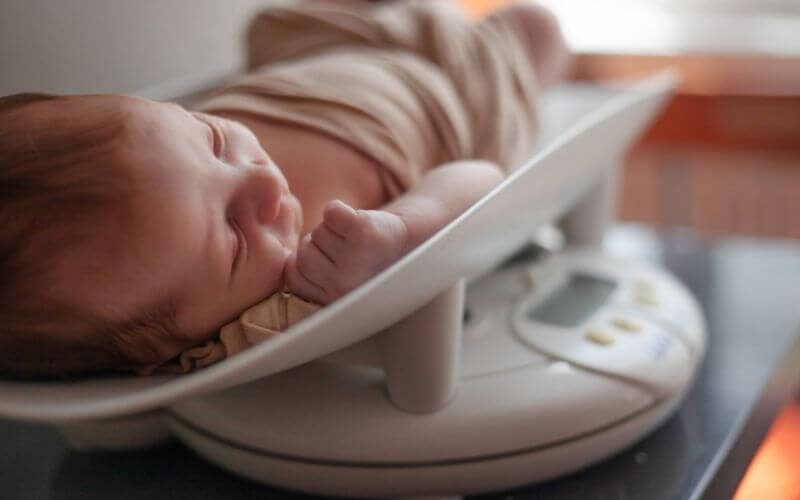
Hello there, fellow parents and curious minds! Today, we’re diving deep into a topic that’s close to every new parent’s heart: newborn weight gain and weight loss. It’s one of those subjects that can be a rollercoaster of emotions, but fear not—I’m here to guide you through it all. In this comprehensive guide, we’ll explore everything you need to know about your newborn’s weight journey, why it matters, and how to ensure your little one thrives. So, grab a cup of your favorite beverage, find a cozy spot, and let’s embark on this enlightening journey together.
Understanding Newborn Weight
Let’s start with the basics—what’s considered normal when it comes to newborn weight?
Normal Newborn Weight
- Birth Weight: The average birth weight for a full-term baby ranges from 5.5 to 8.8 pounds (2.5 to 4 kilograms). However, healthy babies come in all shapes and sizes, so there’s no one-size-fits-all rule.
- Weight Loss: It’s entirely normal for a newborn to lose some weight during the first few days of life. In fact, a 5% to 10% weight loss is considered normal for breastfed babies.
- Regaining Birth Weight: Most babies will regain their birth weight within two weeks to a month after birth.
Why Is Newborn Weight Important?
You might wonder, why all the fuss about newborn weight? Well, it matters for several important reasons:
Indicator of Health
- Early Warning Sign: Newborn weight can be an early indicator of potential health issues. A significant or rapid weight loss may signal problems that need prompt attention.
- Growth Tracking: Monitoring your baby’s weight helps healthcare providers track their growth and development over time.
Nutrition and Feeding
- Breastfeeding Success: Adequate weight gain assures that your baby is receiving sufficient nutrition, especially if you’re breastfeeding.
- Feeding Evaluation: If your baby isn’t gaining weight as expected, it can prompt healthcare providers to evaluate feeding techniques and address any concerns.
Overall Well-Being
- Energy Reserves: Newborns need extra energy reserves for growth and development. Proper weight gain ensures they have the resources they need.
- Immune System: Maintaining a healthy weight is crucial for a strong immune system, helping your baby fend off illnesses.
Factors That Influence Newborn Weight Gain
Understanding the factors that can impact your baby’s weight gain is essential:
Feeding Method
- Breastfeeding: Babies who are exclusively breastfed tend to have slower weight gain initially, followed by steady growth. It’s normal for them to lose some weight in the early days.
- Formula Feeding: Formula-fed babies often gain weight more quickly, as formula provides a consistent calorie intake.
Feeding Frequency
- Frequent Feeding: Feeding your baby on-demand and allowing them to signal when they’re hungry can support healthy weight gain.
- Establishing a Routine: Some parents prefer a feeding schedule. While routines can be beneficial, it’s important to be flexible and responsive to your baby’s needs.
Baby’s Age
- Newborn Stage: It’s common for babies to lose a small percentage of their birth weight during the first week or two of life.
- Regaining Birth Weight: Babies typically regain their birth weight by around two weeks to a month of age.
Health and Genetics
- Preterm Birth: Premature babies often have lower birth weights and may need more time to catch up in growth.
- Family History: Genetics can play a role in your baby’s growth rate. Babies tend to follow growth patterns similar to their parents.
Monitoring Your Baby’s Weight Gain
Now that we’ve covered why newborn weight matters and what factors influence it, how can you monitor your baby’s weight gain effectively?
Well-Baby Checkups
- Regular Visits: Attend all recommended well-baby checkups with your pediatrician or healthcare provider. These visits include weight measurements and growth assessments.
- Growth Charts: Pediatricians use growth charts to track your baby’s weight, length, and head circumference. These charts help determine if your baby is following a healthy growth curve.
Feeding and Diaper Logs
- Keep Records: Consider keeping a diary of your baby’s feedings, including the duration and frequency. Additionally, track their wet and soiled diapers, as this can be a good indicator of adequate nutrition.
- Consult with a Lactation Consultant: If you’re breastfeeding and have concerns about your baby’s weight gain, consider consulting with a lactation consultant. They can offer guidance on breastfeeding techniques and help ensure your baby is latching properly.
Trust Your Instincts
- Parental Intuition: As a parent, you know your baby best. If you sense something is amiss with your baby’s weight gain or overall well-being, don’t hesitate to reach out to your healthcare provider for guidance and reassurance.
When to Seek Help
While some weight loss and fluctuations are normal for newborns, there are situations where seeking help is essential:
Warning Signs
- Excessive Weight Loss: If your baby loses more than 10% of their birth weight or experiences rapid weight loss, contact your healthcare provider promptly. This could be a sign of feeding issues or underlying health concerns.
- Failure to Regain Birth Weight: If your baby hasn’t regained their birth weight by three weeks of age, consult your healthcare provider for an evaluation.
- Consistently Poor Feeding: If your baby consistently struggles with feeding, such as difficulty latching, long feeding sessions with minimal intake, or excessive fussiness during feeds, seek assistance.
- Dehydration: Watch for signs of dehydration, including dark urine, dry mouth, and lethargy. Dehydration can result from inadequate fluid intake due to feeding problems.
- Jaundice: Prolonged or severe jaundice can impact feeding and weight gain. If your baby’s jaundice is not improving or worsening, consult your healthcare provider.
Strategies to Support Healthy Weight Gain
As a parent, you play a crucial role in supporting your baby’s healthy weight gain. Here are some strategies to consider:
Responsive Feeding
- On-Demand Feeding: For breastfeeding parents, feed your baby on demand. Allow them to cue you when they’re hungry, which promotes responsive feeding.
- Frequent Feeds: Offer breast or bottle frequently, even if it means waking your baby for feeds in the early days.
- Breast Compressions: If breastfeeding, consider breast compressions to ensure your baby gets both foremilk and hindmilk, which are essential for growth.
Seeking Help Early
- Consult Lactation Consultants: If breastfeeding, reach out to lactation consultants if you encounter challenges. They can provide expert guidance.
- Pediatrician Visits: Attend all well-baby checkups and don’t hesitate to discuss any concerns about your baby’s weight gain with your pediatrician.
- Community Resources: Explore community resources and support groups for parents. Sometimes, sharing experiences and advice can provide reassurance and helpful tips.
Maintain Skin-to-Skin Contact
- Skin-to-Skin Time: Spend plenty of skin-to-skin time with your baby, as it can promote bonding and help regulate your baby’s body temperature and feeding cues.
- Kangaroo Care: Kangaroo care, where your baby is held against your bare chest, is especially beneficial for premature infants but can benefit full-term babies as well.
Optimal Nutrition
- Balanced Diet: If you’re breastfeeding, maintain a balanced diet and stay hydrated. Your nutrition plays a vital role in your baby’s nutrition.
- Formula Choices: If formula feeding, work with your pediatrician to choose an appropriate formula that meets your baby’s nutritional needs.
Rest and Recovery
- Self-Care: Don’t forget to take care of yourself. Adequate rest and self-care are essential for your overall well-being and your ability to care for your baby.
Be Patient and Trust the Process
- Growth Spurts: Babies often experience growth spurts, where they seem to feed constantly. These phases are normal and temporary, so be patient and continue feeding on demand.
In Conclusion
In conclusion, newborn weight gain and weight loss are essential aspects of your baby’s early development. While some weight loss is normal, consistent and excessive weight loss should be addressed promptly with healthcare providers. As parents, you can support your baby’s healthy weight gain by providing responsive feeding, seeking help when needed, and trusting your instincts. Remember, each baby is unique, and their growth journey is a reflection of their individual needs and circumstances. Be patient, be proactive, and cherish every moment of this incredible journey into parenthood.
Share This Story, Choose Your Platform!



Latest Post


Latest News To Your Inbox
Subscribe to hear about our latest blog posts, competitions and special offers.