
Why do babies clench their fists?
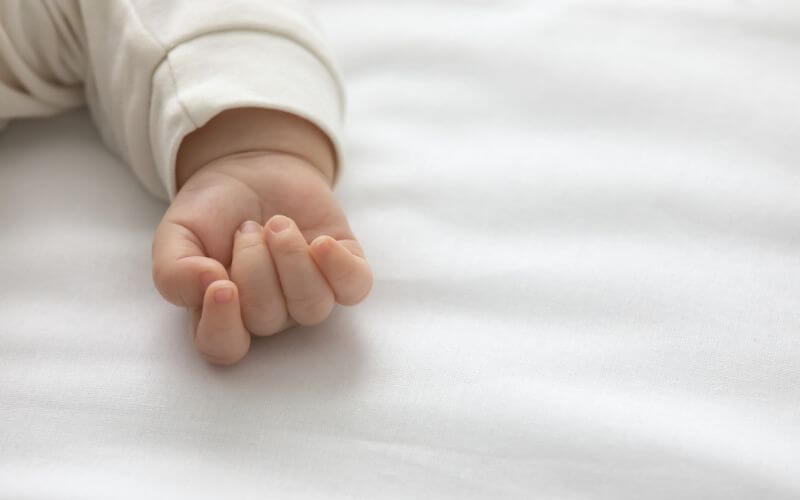
Hey there, fellow parents, caregivers, and anyone intrigued by the mysteries of babyhood! Today, I’m thrilled to delve deep into a topic that might have left you wondering during those early days of parenthood: why do babies clench their tiny fists? It’s one of those adorable and puzzling behaviors that make us marvel at the complexities of infant development. So, let’s embark on an exciting journey to uncover the secrets behind baby fist clenching. Get ready to learn, smile, and gain a deeper understanding of your little one’s world. Grab a cup of your favorite beverage, get comfy, and let’s explore this intriguing phenomenon together.
The Art of Baby Fist Clenching
Before we dive into the “whys,” let’s begin by appreciating the beauty of the “whats.” Baby fist clenching is a charming behavior that you’ll likely notice from the very moment your little one makes their grand entrance into the world. It’s exactly what it sounds like—their tiny, delicate fists gently curling up, creating an image that’s equal parts endearing and fascinating. But what’s the story behind those clenched fists?
The Fascinating Reasons Behind Baby Fist Clenching
Now that we’ve set the stage, let’s delve into the captivating reasons why babies clench their fists. There’s a world of meaning and development hidden within these tiny gestures:
1. Primitive Reflexes:
- Details: These are instinctual movements that babies are born with. The palmar grasp reflex is one of them, causing your baby’s tiny fingers to curl around anything that touches their palm. It’s thought to be a survival mechanism, ensuring that babies can cling to their caregiver or a nearby object for support.
- Importance: The palmar grasp reflex is a vital part of your baby’s early motor development. It helps them grasp onto their caregiver’s finger or a breast, facilitating feeding and fostering a sense of security.
2. Exploring Their Hands:
- Details: In those early weeks and months, your baby’s world is their own body. Fist clenching is a way for them to explore their hands and develop awareness of their body parts.
- Importance: It’s a fundamental step in your baby’s sensory and motor development. By curling and uncurling their fingers, they’re not only discovering their hands but also gaining a better understanding of their body’s capabilities.
3. Comfort and Security:
- Details: Babies often clench their fists when they feel comforted and secure, such as when they’re snuggled up in your arms or cozy in their crib. It’s a natural response to feeling safe and content.
- Importance: This behavior signifies your baby’s trust in you as their caregiver. When they clench their fists during cuddles or while being held, it’s a heartwarming sign that they feel loved and protected.
4. Hunger and Feeding Signals:
- Details: Fist clenching can also be a sign that your baby is hungry and ready for a meal. It’s one of those early hunger cues that caregivers learn to recognize.
- Importance: By clenching their fists when they’re hungry, babies communicate their needs to you. It’s a gentle way of saying, “I’m ready to eat, please feed me.”
5. Overstimulation or Stress:
- Details: On the flip side, if your baby is overstimulated or stressed, they may clench their fists as a way to self-soothe. It’s like their little reset button, helping them cope with a busy environment.
- Importance: Fist clenching during moments of stress or overstimulation is your baby’s way of seeking comfort and trying to regulate their emotions. It’s a valuable coping mechanism as they navigate the new and sometimes overwhelming world around them.
6. Developmental Milestones:
- Details: As your baby grows and their motor skills develop, they’ll start to open and close their hands more intentionally. This is a critical step in their journey to mastering fine motor skills.
- Importance: The progression from reflexive fist clenching to deliberate hand movements is a testament to your baby’s evolving motor control. It’s a sign that they’re working on developing their fine motor skills, which will eventually lead to activities like grabbing objects and self-feeding.
The Evolution of Baby Fist Clenching
As your baby progresses through their early months, you’ll notice a delightful evolution in their fist-clenching behaviors:
– Newborn Stage:
- Details: In the first few weeks, your baby’s fists might be clenched most of the time. This is partly due to the primitive reflexes mentioned earlier. You’ll often see those tiny hands near their face as they explore their own features.
- Importance: During this phase, your baby is getting acclimated to life outside the womb. Their reflexive fist clenching helps them discover their hands and provides comfort as they adjust to their new surroundings.
– Around 2 Months:
- Details: By around two months, your baby will start to open and close their fists more intentionally. They might even start batting at objects within reach as their hand-eye coordination improves.
- Importance: This stage marks the beginning of your baby’s active exploration of their environment. Their newfound ability to move their hands deliberately opens the door to interactions with toys and interactions with you.
– 3 to 4 Months:
- Details: As your baby’s motor skills continue to develop, they’ll become more adept at grasping objects. You’ll witness those little fingers reaching out to grab toys, your fingers, or anything else that catches their interest.
- Importance: At this point, your baby is honing their fine motor skills. They’re mastering the art of coordinating hand and finger movements, setting the stage for more intricate actions like picking up small objects.
– 6 Months and Beyond:
- Details: Around the six-month mark, your baby will be on the verge of mastering the art of grasping. They’ll start transferring objects from hand to hand and using their newfound skills for exploration.
- Importance: By six months, your baby’s hands have become versatile tools for interaction with their world. They’re well on their way to developing the dexterity required for activities like feeding themselves, turning pages in a book, and playing with a variety of toys.
How to Encourage Healthy Development
Now that we’ve uncovered the magic of baby fist clenching, let’s explore how you can encourage healthy development and support your little one’s discoveries:
1. Offer Age-Appropriate Toys:
- Details: Provide your baby with toys that are safe and suitable for their age and developmental stage. Toys with different textures, shapes, and colors can engage their senses and encourage grasping.
- Importance: Age-appropriate toys stimulate your baby’s sensory development and provide opportunities for them to practice their grasping skills. From soft rattles to textured teething toys, these items promote engagement and exploration.
2. Tummy Time:
- Details: Tummy time is not just great for building neck and upper body strength—it’s also an opportunity for your baby to reach out, explore, and practice opening and closing their hands.
- Importance: Tummy time encourages your baby to lift their head and shoulders, offering them a different perspective on their surroundings. It’s a chance for them to experiment with their hands and gain a better understanding of their body’s capabilities.
3. Engage in Interactive Play:
- Details: Spend quality time playing with your baby. Whether it’s peek-a-boo, gentle tickling, or encouraging them to reach for a toy, interactive play supports their fine motor skills and social development.
- Importance: Interactive playtime fosters bonding between you and your baby while promoting essential developmental milestones. It encourages them to explore, interact, and learn about the world around them in a fun and engaging way.
4. Stay Attuned to Their Cues:
- Details: Pay attention to your baby’s body language and cues. If they’re showing signs of stress or overstimulation, provide a calm and soothing environment to help them relax.
- Importance: Your ability to read your baby’s cues and respond appropriately is essential for their emotional well-being. Creating a nurturing and responsive environment supports their overall development and helps them feel secure.
5. Celebrate Milestones:
- Details: As your baby reaches each new milestone in their fist-clenching journey, celebrate their achievements. It’s a wonderful way to bond and acknowledge their growth.
- Importance: Celebrating milestones, no matter how small, boosts your baby’s self-esteem and strengthens your connection. It instills a sense of accomplishment and encourages them to continue exploring and developing their skills.
Wrapping Up the Fist-Clenching Story
In conclusion, baby fist clenching is a delightful and ever-evolving part of your little one’s development. It’s a combination of instinctual reflexes, self-exploration, communication, and the foundation for fine motor skills. As caregivers, we have the privilege of witnessing these precious moments and supporting our babies as they embark on their journey of discovery.
So, the next time you catch a glimpse of those tiny clenched fists, remember that there’s a whole world of wonder and growth happening right before your eyes. Cherish these moments, engage in playful exploration, and continue being the incredible parent or caregiver you are. You’re helping shape the future of a curious and budding explorer!
Share This Story, Choose Your Platform!


Latest Post

Latest News To Your Inbox
Subscribe to hear about our latest blog posts, competitions and special offers.