
5 Tips for Surviving the Holidays With Your Kids
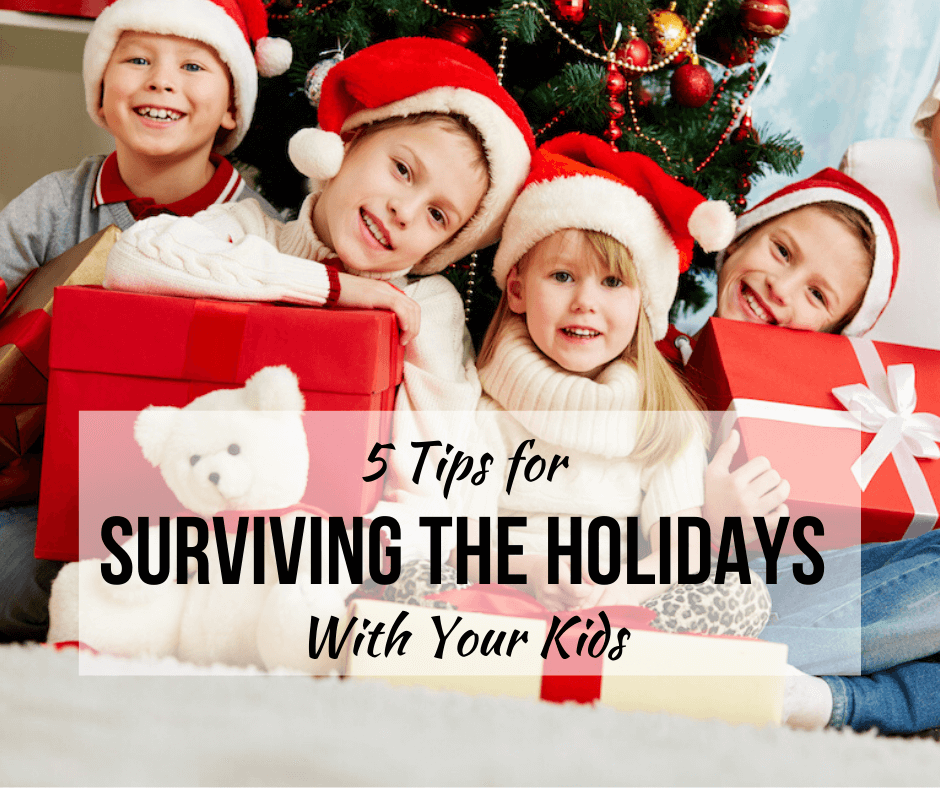
The holidays sound lovely on paper. Twinkling lights, family gatherings, cosy pyjamas and a bit of magic for the kids. In reality, it’s usually a blur of present buying, travel plans, visiting relatives, sugar-fuelled meltdowns and a to do list that never quite gets shorter. If you’re feeling more frazzled than festive, you’re not doing anything wrong. You’re just a parent in December.
The good news is that a few small shifts in how you plan and react can take the edge off. Here are five tips that actually help, not just nice sentiments about “enjoying the moment”.
1. Set the emotional tone early
Kids are remarkably good at picking up on tension, even when you think you’re hiding it well. If you’re rushing around snapping at everyone, don’t be surprised when your child starts whining, refusing to cooperate, or having more tantrums than usual. They’re mirroring what they’re seeing.
This doesn’t mean you have to fake being calm when you’re not. It means building in small buffers for yourself before things get chaotic. That might be five minutes with a cup of tea before the kids wake up, or stepping outside for air when you feel your patience running thin. A regulated adult helps a child regulate too. If you snap, that’s fine, apologise and move on. Modelling how to recover from a stressful moment is just as valuable as modelling calm in the first place.
2. Manage gift expectations before Christmas morning, not during it
After weeks of adverts, catalogues and “gift guide” videos on YouTube, it’s no wonder children build up an image of Christmas morning that involves a mountain of presents under the tree. If your budget doesn’t stretch to that, the conversation needs to happen well before the big day, not as damage control on the 25th.
You don’t need to share exact figures or your bank balance with a six year old. But you can say something like “this year we’re getting a few things you’ll really love, not everything on your list” well in advance. Involving them in a wish list and letting them prioritise their top two or three items can actually make gift giving feel more special, not less. Children often cope better with limits than we expect, especially when they’ve had time to adjust to them rather than being surprised.
If money is genuinely tight this year, you’re far from alone. Many local councils, charities and community groups run toy appeals and family support schemes over the festive period, so it’s worth asking your health visitor, school or local Citizens Advice office what’s available in your area.
3. Actually accept the help that’s offered
Parents are notoriously bad at saying yes when someone offers to help. Grandma wants an afternoon with the kids. Your neighbour offers to grab your children along with theirs for a park trip. A friend says “let me know if you need anything” and you say “oh we’re fine” out of habit, even when you’re not.
Take people up on it. Genuinely. An extra hour to wrap presents, batch cook, or simply sit down without a small person needing something from you makes a real difference to how you cope with the rest of the season. If nobody’s offering and you need a hand, it’s fine to ask directly rather than waiting to be rescued. “Could you take the kids for an hour on Saturday so I can get the shopping done” is a perfectly reasonable text to send a relative or close friend.
4. Have a loose plan for the empty days
School holidays are long, and a bored child is usually a difficult child. Not because they’re being naughty on purpose, but because young children in particular need structure and stimulation, and when that disappears for two or three weeks, behaviour often slips.
You don’t need a packed itinerary. A rough shape to the week helps far more than a rigid schedule. Some ideas that don’t cost much or take huge effort to organise:
- A regular morning walk or trip to the local park, even in the cold. Fresh air genuinely helps with mood and sleep for both kids and adults.
- One simple craft or baking activity a few times a week, nothing Pinterest worthy needed.
- Swapping playdates with another family so you each get a break while the kids entertain each other.
- Free or low cost local events. Libraries, community centres and local churches often run holiday activities, storytelling sessions or drop in groups over Christmas.
Having two or three go to activities up your sleeve for the inevitable “I’m bored” moment saves a lot of stress in the moment.
5. Let routines slip a little, on purpose
If bedtime is usually 7.30pm and the cousins are visiting until 9pm, letting your child stay up isn’t going to undo months of good sleep habits. The odd late night, extra pudding, or missed nap over the holiday period is genuinely fine for most children.
That said, very young children and babies do tend to cope less well with big disruptions to sleep and feeding routines, so it’s worth being a bit more careful with under twos. If you notice your child getting overtired, overstimulated or unusually clingy after a few late nights in a row, it’s fine to quietly pull things back to normal for a day. There’s no prize for sticking rigidly to a schedule through the whole festive period, but there’s also no shame in protecting a nap or an early bedtime if your child clearly needs it. You know your child better than anyone else in the room, including well meaning relatives who insist “one late night won’t hurt”.
If you’re ever genuinely worried about your child’s sleep, eating or behaviour over the holidays, particularly with babies or children with existing health conditions, it’s always worth a quick check in with your GP or health visitor rather than guessing.
Above all, try to remember what the holidays are actually meant to be about. Time together matters far more to children than perfectly wrapped presents or a spotless house. If you can get through the season with your patience mostly intact and a few good memories made, that’s a win.
How do you keep your kids occupied over the holidays? Share your tips with other parents in the comments below.
Share This Story, Choose Your Platform!



Latest Post


Latest News To Your Inbox
Subscribe to hear about our latest blog posts, competitions and special offers.