
7 Amazing Facts About Breast Milk Every Mom needs to know
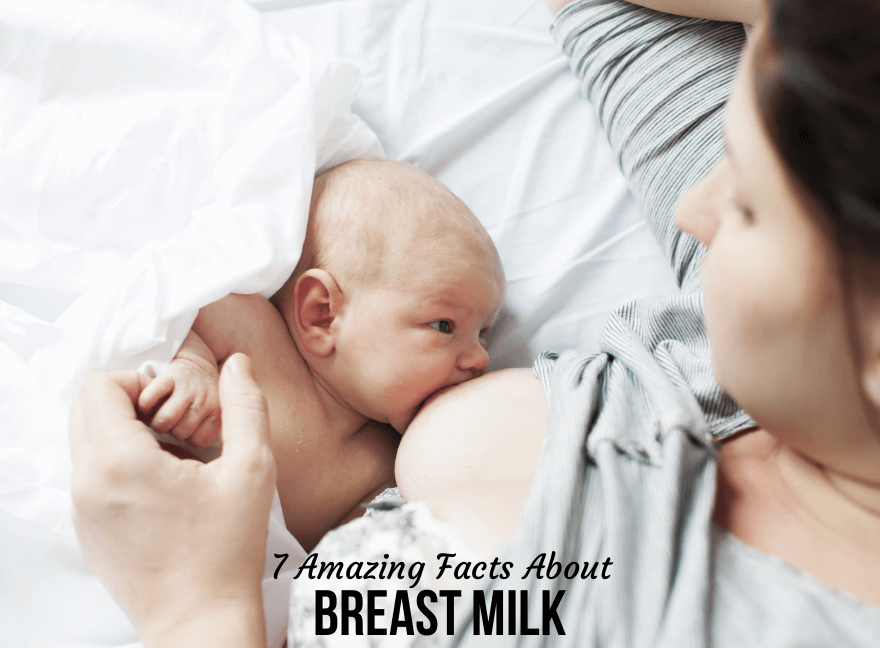
Breast milk is one of those things that sounds simple on the surface (it’s just milk, right?) but turns out to be far more complex and clever than most of us realise. If you’re breastfeeding, thinking about breastfeeding, or just curious about what’s actually happening every time your baby feeds, here are seven facts worth knowing. And if breastfeeding isn’t part of your journey, that’s completely fine too. Formula-fed babies grow up happy and healthy, and fed is always best.
Fact #1: It changes to match your baby’s exact needs
Breast milk isn’t one fixed recipe. It shifts depending on your baby’s age, the time of day, and even how long into a feed you are. The milk in the first few days after birth, called colostrum, is thick, yellowish and produced in small amounts, but it’s packed with antibodies and protein to give your newborn’s immune system a head start. Over the following two weeks it gradually changes into “mature” milk.
Within a single feed, the milk also changes. The foremilk at the start is thinner and higher in lactose, while the hindmilk that comes later is richer in fat, which is part of why letting your baby fully finish one breast before offering the other can help them get a good balance of both. If you’re worried about supply or whether your baby is getting enough, a midwife, health visitor or lactation consultant can watch a feed and check weight gain, which is a far more reliable guide than trying to judge it yourself.
Fact #2: It’s full of live immune support
Breast milk contains antibodies, white blood cells and other immune components that formula simply can’t replicate, because these are living cells passed directly from your body to your baby’s. Some research suggests that when you or your baby are exposed to a bug, your body can respond by producing antibodies specific to it in your milk. This doesn’t mean breastfed babies never get ill, they absolutely still catch colds and stomach bugs, but there’s good evidence that breastfeeding is linked to lower rates of certain infections, including ear infections and gastrointestinal illness, particularly in the first six months.
Fact #3: It supports brain development, though it’s not the whole story
Breast milk contains DHA, an omega-3 fatty acid that’s important for brain and eye development. Some studies have found small associations between breastfeeding and cognitive outcomes later in childhood. It’s worth being honest here though: it’s genuinely hard to separate the effects of breast milk itself from other factors, like the amount of interaction and stimulation a baby gets during feeding, parental education, or income. If you formula feed, look for a formula fortified with DHA and know that plenty of other things you do every day, talking to your baby, reading, playing, singing, all support brain development too.
Fact #4: It builds connection, but so does bottle feeding
Skin-to-skin contact and the rhythm of nursing can trigger the release of oxytocin in both you and your baby, which tends to promote feelings of calm and closeness. This is real and worth enjoying if breastfeeding is going well for you. But this bonding isn’t exclusive to breastfeeding. Holding your baby close, making eye contact and talking softly during a bottle feed produces very similar closeness and comfort, so please don’t feel you’re missing out if breastfeeding doesn’t work for you or you choose not to do it.
Fact #5: A drop can help soothe minor skin irritation
Some parents dab a little breast milk on things like nappy rash, mild cradle cap or minor grazes, and there’s some small-scale research suggesting it may help with mild skin irritation and could have some antibacterial properties. That said, this isn’t a substitute for proper medical treatment. Don’t use it on anything that looks infected, isn’t healing, or on a baby’s eyes for suspected conjunctivitis without checking with your GP or health visitor first, since eye infections in particular need proper assessment.
Fact #6: It may lower the risk of allergies and asthma, especially with a family history
There’s evidence linking exclusive breastfeeding, particularly in the first few months, with a somewhat lower risk of eczema, asthma and certain allergies later on, especially in babies with a family history of these conditions. The thinking is that breast milk exposes a baby’s developing immune system to a wide range of proteins and antibodies in a gentle way. It’s not a guarantee against allergies though, plenty of breastfed babies still develop them, and plenty of formula-fed babies never do. If allergies run in your family, it’s worth mentioning this to your health visitor or GP so you can talk through weaning and introducing allergenic foods safely when the time comes.
Fact #7: It offers comfort, not just calories
Babies often nurse or feed for reasons that have nothing to do with hunger: tiredness, needing reassurance, teething discomfort, or just wanting to be close to you. This is completely normal and is sometimes called “comfort feeding.” It’s one of the reasons cluster feeding in the evenings is so common, especially in the early weeks. If you’re breastfeeding and feel like your baby is permanently attached, this is usually a phase rather than a sign something is wrong, though if you’re ever concerned about weight gain or feeding patterns, it’s always worth checking in with your health visitor.
A few practical things worth knowing
- Breast milk composition can be affected by your diet, but your body prioritises your baby’s needs first, so you don’t need to eat perfectly to produce good milk.
- Expressed breast milk can typically be kept at room temperature for a few hours, in the fridge for several days, and in the freezer for months, though guidelines vary slightly, so check current NHS advice or ask your health visitor for the specifics that apply to your situation.
- If breastfeeding is painful beyond the first week or two, that’s not something to just push through. Pain often points to a fixable latch issue, and a lactation consultant or breastfeeding support group can make a real difference quickly.
Breast milk really is a remarkable substance, adapting to your baby, carrying immune protection, and doing far more than simply filling a tummy. But how you feed your baby, whether that’s breast, bottle, or a combination of both, isn’t a measure of how good a parent you are. What matters most is that your baby is fed, growing well, and feels safe and loved. That’s the part you’re already getting right.
Share This Story, Choose Your Platform!



Latest Post


Latest News To Your Inbox
Subscribe to hear about our latest blog posts, competitions and special offers.