
Postpartum Diarrhea – You’re not the only one suffering!

Nobody warns you about this bit. You spend nine months reading about labour, feeding and sleep, and then a week after your baby arrives you’re stuck on the loo wondering what on earth is going on with your stomach. If this is you, take a breath. Postpartum diarrhea is common, it’s rarely serious, and there are things you can do to feel more like yourself again.
This guide walks through why it happens, what’s normal versus what needs a call to your doctor or midwife, and some practical, gentle ways to settle your gut while you’re recovering and (possibly) breastfeeding.
Why is this happening to me?

You’ve already got enough to deal with in the days after birth without your digestive system joining the chaos. But there’s usually a reason behind it, and postpartum diarrhea often has causes that are quite specific to having just given birth, not just “a bit of a stomach bug”.
Some of the more common culprits include:
- Stool softeners or laxatives given after birth (especially common after a caesarean or an assisted delivery), which can overcorrect and leave you with loose stools for a few days
- Antibiotics given during labour (for Group B strep, a caesarean, or a perineal tear) which can upset the balance of bacteria in your gut
- Magnesium sulfate, if you were given it for high blood pressure or pre-eclampsia, which is well known for causing loose stools
- Hormonal changes as your body adjusts after delivery
- Stress, anxiety and lack of sleep, which genuinely do affect your gut
- A gastrointestinal bug, sometimes picked up in hospital
- Changes to your diet or new supplements
There’s also something worth mentioning that often gets mistaken for diarrhea: pelvic floor and anal sphincter changes from birth. If you had a tear, an episiotomy, or a longer pushing stage, you might notice more urgency or looser control over your bowels for a while. This isn’t the same thing as diarrhea, but it can feel very similar. If you’re worried this might be what’s going on, mention it to your GP or health visitor at your postnatal check, it’s a genuinely common issue and there’s support available (including pelvic floor physiotherapy), so there’s no need to just put up with it.
Breastfeeding and postpartum diarrhea
If you’re breastfeeding, it’s natural to wonder whether your diarrhea will somehow pass to your baby through your milk.
The reassuring answer is: in most cases, no. The usual causes of postpartum diarrhea, hormones, stress, medication side effects, a stomach bug, don’t get passed on through breast milk. In fact, continuing to breastfeed can actually help protect your baby, since your milk carries antibodies against infections you’re exposed to.
Where you do need to be a little careful is with over-the-counter medicine. Anti-diarrhea medicines containing bismuth subsalicylate (found in some brands of Pepto-Bismol and Kaopectate) aren’t generally recommended while breastfeeding, as small amounts can pass into your milk. Loperamide (found in Imodium) is generally considered more compatible with breastfeeding, but this isn’t something to decide on your own. Always check with your GP, midwife, health visitor or pharmacist before taking anything, even something that seems harmless, while you’re feeding.
Symptoms that need a closer look
Straightforward diarrhea, with no other symptoms, usually settles on its own within a day or two. What matters more is whether anything else is going on alongside it. Get in touch with your GP or midwife if you notice:
- A fever over 38°C (100.4°F), or chills
- Blood or mucus in your stools
- Inability to keep fluids down for more than a day
- Severe abdominal or rectal pain
- Diarrhea that starts alongside unusual vaginal discharge, a smelly discharge, or a tender, painful tummy, which can sometimes point to a postpartum infection and needs checking promptly
It’s also worth flagging fever and diarrhea together to your doctor sooner rather than later after birth, simply because a postnatal infection (such as endometritis) can sometimes present with digestive symptoms too. It’s very unlikely, but it’s exactly the sort of thing worth ruling out rather than guessing about.
Watching for dehydration
Diarrhea can drain fluids from your body surprisingly fast, and if you’re breastfeeding, you’re already running at a fluid deficit most days. Keep an eye out for:
- Peeing less often than usual, or urine that’s dark yellow
- Feeling unusually tired, dizzy or lightheaded, especially when standing up
- A dry mouth or unusual thirst
- Feeling confused or “fuzzy headed”
- A noticeable dip in your milk supply, which can sometimes be an early sign you’re not drinking enough
If any of this rings true, call your doctor or midwife the same day rather than waiting, particularly if you’re also caring for a newborn on your own and finding it hard to keep up with fluids.
How to stay ahead of dehydration
Water is your best friend here, but plain water alone doesn’t replace lost salts and minerals as well as you’d think. Try water with a slice of lemon or lime, weak herbal tea, or a diluted sports/rehydration drink (roughly half water, half drink, to cut down the sugar). Clear broths and soups are genuinely useful too, since they bring in fluid and sodium at the same time. Skip fizzy drinks and sugary fruit juice, they can make loose stools worse, and go easy on coffee, since caffeine has a mild dehydrating effect.
Settling your gut naturally
Nobody wants diarrhea hanging around for days on top of newborn life. A few dietary tweaks can genuinely help most mild, run-of-the-mill cases. None of this replaces medical advice if things aren’t improving, but they’re worth trying alongside sensible rest and hydration.
Broths and clear soups
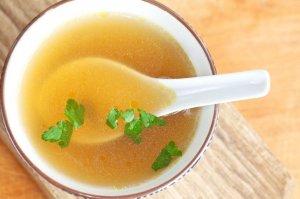
A good homemade broth gives you fluid, sodium and a bit of gentle nourishment when eating a full meal feels like too much. If you’re making your own, a pinch of Himalayan or Celtic sea salt gives you a wider range of minerals than plain table salt, though either is fine if that’s what you have.
Cooked carrots
Boil carrots until soft and mash or blend them with a little broth or water. Carrots contain pectin, a soluble fibre that can help firm up loose stools by absorbing some of the excess fluid in your gut. Small, frequent servings (a few tablespoons every hour or so) tend to sit better than one large portion.
Yogurt with live cultures
Plain yogurt containing live cultures like Lactobacillus acidophilus or Bifidobacterium can help top up the “good” bacteria in your gut, particularly if antibiotics are part of the reason you’re dealing with diarrhea in the first place. Look for “live” or “active cultures” on the label.
The BRAT diet
Bananas, rice, apples (not apple juice, which can make things worse) and toast are bland, low-fibre foods that are gentle on an unsettled stomach and help add gradual bulk back to your stools. Many midwives and GPs still suggest this as a sensible starting point once you’re ready to eat proper food again.
You may also come across herbal suggestions such as chamomile tea, slippery elm, or fenugreek. Some parents find these settling, but the evidence behind them is thin, and several herbs aren’t well studied for safety in breastfeeding. If you want to try one, run it past your GP, midwife or a pharmacist first, especially while you’re feeding your baby.
Foods and drinks to go easy on
- Caffeine (coffee, some teas, cola)
- Fizzy drinks
- Fruit juice, especially in large amounts
- Spicy food
- Fatty or greasy meals
- Very sugary food
It’s also worth going easy on dairy for a few days if diarrhea has taken hold, since a bout of it can temporarily reduce the enzyme your body uses to break down lactose, making milk and cheese harder to digest until things settle.
When to call your doctor
Most postpartum diarrhea clears up within a day or two on its own, especially once you rest, hydrate and eat simply for a bit. If it’s dragging on longer than two or three days, getting worse rather than better, or showing up alongside fever, pain, blood, or signs of dehydration, don’t sit on it. Call your GP, midwife or health visitor. You’ve just grown and delivered a whole human being, you’re allowed to ask for help with the less glamorous parts of recovery too.
Share This Story, Choose Your Platform!



Latest Post


Latest News To Your Inbox
Subscribe to hear about our latest blog posts, competitions and special offers.