
Does vitex (chasteberry) really have fertility benefits?
When it comes to exploring natural ways to enhance fertility and balance the hormonal system, Vitex agnus castus, also known as chasteberry, has been gaining attention. This remarkable herb has been the subject of numerous studies, but it’s essential to tread cautiously and seek guidance from your healthcare provider before considering its use. In this article, we’ll delve into the world of Vitex, examining its potential benefits, safety concerns, and its role in fertility.
What is Vitex?
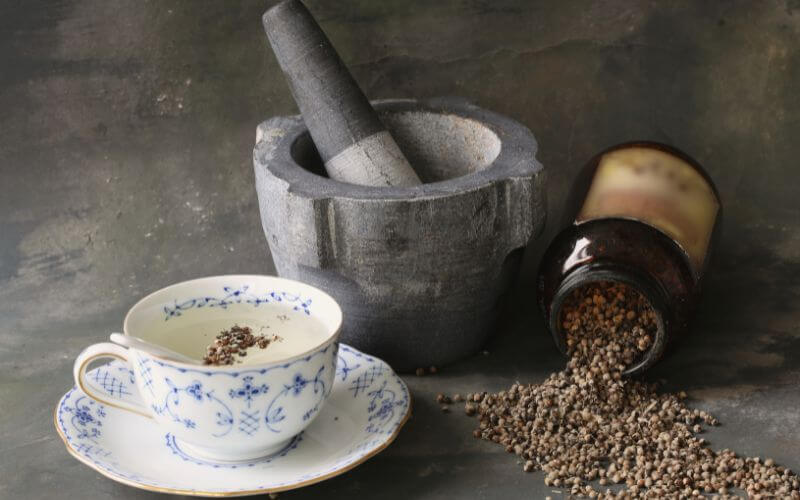
Vitex, scientifically known as Vitex agnus castus, is a dried fruit commonly used in herbal medicine, particularly for addressing hormonal conditions. This herb goes by various names, including chastetree, chasteberry, and monk’s pepper. It earned the nickname “monk’s pepper” because it was believed to help suppress sexual urges, a usage attributed to monks in history.
Vitex is available in different forms, such as tinctures, capsules, tablets, or even as ground powder for culinary use. You can also make a soothing tea by soaking the berries in hot water.
It’s important to note that Vitex doesn’t contain hormones. Instead, it may influence hormone levels by acting on the pituitary gland in the brain, thanks to its active components, which include flavonoids, glycosides, and essential oils.
Potential Benefits of Vitex
While conclusive evidence is still limited, Vitex has shown promise in addressing hormonal imbalances and associated conditions, including:
-
Premenstrual Syndrome (PMS): Some clinical studies suggest that chasteberry may alleviate the symptoms of PMS, offering relief to those affected.
-
Premenstrual Dysphoric Disorder (PMDD): PMDD, a severe form of PMS, has also shown potential improvement with the use of chasteberry.
-
Abnormal Menstrual Cycles: Irregular menstrual cycles, which can impact fertility, are a focus of Vitex research. Some studies have indicated positive effects on regulating menstrual patterns.
Do You Need a Prescription for Vitex?
Vitex is available over the counter, and you don’t require a prescription to obtain it. However, it’s highly advisable to collaborate with your healthcare provider when considering the use of Vitex. The quality and potency of herbal products can vary, and your provider can assist you in determining the appropriate dosage and ensure that it doesn’t interact negatively with any other medications you may be taking.
Vitex and Fertility: Is There a Connection?
The potential role of Vitex in enhancing fertility is an area of ongoing research. While not guaranteed, there are reasons to believe that Vitex may aid in addressing certain fertility issues. Irregular hormone levels and menstrual cycles often contribute to infertility, and Vitex has demonstrated positive effects in this regard in some studies.
It’s worth noting that Vitex has been associated with the following potential fertility-related benefits:
-
Increased Progesterone Levels: Vitex has shown the ability to raise progesterone levels, a hormone crucial for successful pregnancy. Balanced progesterone levels may contribute to a reduced risk of miscarriage.
-
Lower Prolactin Levels: Elevated prolactin levels can interfere with fertility. Vitex may help lower prolactin levels, potentially improving the chances of conception.
A review of studies conducted from 1997 to 2016 concluded that Vitex agnus-castus holds promise in treating infertility disorders in both men and women. The research suggested that compounds within the herb influence the pituitary gland, leading to reduced prolactin levels. This reduction can impact follicle-stimulating hormones (FSH) and estrogen in women and testosterone in men.
A 2019 study involving 189 women with menstrual disorders found that an herbal supplement containing Vitex, along with maca (Lepidium mayenii) and folate, helped regulate menstrual cycles, stimulate ovulation, and increase the likelihood of getting pregnant. The study reported no side effects, with ovulation rates rising from 10 percent to 43 percent during the six-month study period. Seventy of the subjects successfully conceived during the study, and it also revealed a decrease in Polycystic Ovary Syndrome (PCOS) cases.
Risks and Precautions Associated with Vitex
While Vitex appears to be well-tolerated in the short term, there’s a lack of long-term safety data. Potential side effects are generally mild and may include stomach upset, itchy skin with a mild rash, headaches, increased acne, and heavier menstrual flow.
It’s important to note that the effects of Vitex on pregnant and breastfeeding women have not been extensively studied. Given its potential impact on the hormonal system, including the potential to suppress lactation, it’s advisable to avoid using Vitex during pregnancy or while nursing.
Vitex can interact with certain medications, including oral contraceptives. If you’re taking birth control pills, using Vitex simultaneously may reduce their effectiveness.
Moreover, if you have specific medical conditions such as Parkinson’s Disease or hormone-sensitive cancers like breast cancer or uterine cancer, Vitex may not be safe for you.
Before embarking on a Vitex regimen, it’s crucial to have a thorough discussion with your healthcare provider. They can provide personalized guidance based on your unique health profile and fertility goals.
In conclusion, while Vitex agnus castus shows promise as a natural remedy for hormonal balance and fertility enhancement, it’s vital to approach its use with prudence. Seek professional guidance, consider your individual circumstances, and make informed choices when exploring this herbal option on your fertility journey.
Share This Story, Choose Your Platform!


Latest Post


Latest News To Your Inbox
Subscribe to hear about our latest blog posts, competitions and special offers.