
Adventurous First Foods for Babies: Exploring Flavorful Beginnings

Hey there, fellow parents! Today, I’m thrilled to dive into a delicious topic that’s close to my heart – introducing adventurous first foods to your precious little ones. If you’re tired of the same old baby food and want to ignite your baby’s taste buds with exciting flavors, you’re in for a treat. In this comprehensive guide, we’ll embark on a culinary journey, exploring a world of flavors and textures that will not only nourish your baby but also make mealtime a delightful adventure. So, grab a comfy chair and a cup of coffee (or tea, if you prefer), and let’s get started on this flavorful exploration!
Introduction
As a parent, there’s something magical about watching your baby experience new flavors for the very first time. It’s a journey of exploration, discovery, and shared delight. While traditional baby foods have their place, there’s no reason why mealtime can’t be an adventure filled with exciting tastes and textures.
Safety First: Guidelines for Starting Solids
Before we jump into the world of adventurous first foods, it’s crucial to ensure your baby is ready for this culinary expedition. Safety should always be a top priority:
- Consult your pediatrician: Before introducing new foods, have a chat with your pediatrician to discuss your baby’s readiness, especially if there are any health concerns.
- Observe developmental milestones: Look for signs of readiness, such as the ability to sit up with support and showing interest in what you’re eating.
Choosing the Right Time
Signs of Readiness
Wondering when to begin this exciting journey? Look for these signs of readiness in your baby:
- Head control: Your baby should be able to hold their head up steadily.
- Sitting up: While support is fine, they should be able to sit up with assistance.
- Lost tongue thrust reflex: Most babies have a natural reflex that pushes food out of their mouths. When this reflex diminishes, it’s a sign they may be ready for solids.
Timing and Developmental Milestones
Babies typically start solids around 6 months, but individual readiness varies. Some may be ready a bit earlier, while others may need more time. It’s essential to trust your baby’s cues and not rush the process.
First Foods: Beyond the Basics
Now, let’s dive into some adventurous first foods that will ignite your baby’s taste buds and provide essential nutrients for their growth and development.
Avocado: Creamy Goodness
Avocado is a fantastic first food for your baby. It’s creamy, packed with healthy fats, and easy to prepare:
How to Serve: Simply mash ripe avocado or cut it into small, easy-to-grasp pieces for baby-led weaning (BLW).
Nutritional Benefits: Avocado is rich in healthy monounsaturated fats, which support brain development and growth. It also provides essential vitamins and minerals.
Sweet Potatoes: A Touch of Sweetness
Sweet potatoes are a hit with many babies due to their natural sweetness and vibrant color:
How to Serve: Steam or bake sweet potatoes until they’re soft and then mash or puree them.
Nutritional Benefits: They’re packed with beta-carotene, a precursor to vitamin A, which is essential for vision and immune health. Sweet potatoes also offer fiber and other essential nutrients.
Blueberries: Tiny Superfoods
Blueberries are nutritional powerhouses, loaded with antioxidants and flavor:
How to Serve: Gently steam or mash blueberries for younger babies. Older babies can enjoy them whole.
Nutritional Benefits: Blueberries provide a dose of vitamins, fiber, and antioxidants to support overall health. They’re particularly excellent for brain development.
Lentils: A Protein Powerhouse
Lentils introduce your baby to plant-based protein and essential minerals:
How to Serve: Cook lentils until soft, then mash or puree for a smooth consistency.
Nutritional Benefits: Lentils are rich in iron and protein, supporting your baby’s energy and growth. They also provide fiber and folate.
Quinoa: The Ancient Grain
Quinoa is a complete protein and an excellent source of essential nutrients:
How to Serve: Cook quinoa until it’s soft and easily mashed. It can be mixed with other foods or served as a standalone dish.
Nutritional Benefits: Quinoa provides protein, fiber, and a range of vitamins and minerals. It’s a perfect addition to your baby’s diet for overall growth and development.
Spinach: Green and Nutrient-Packed
Introduce your baby to leafy greens early with spinach:
How to Serve: Steam spinach until tender and then finely chop or puree it.
Nutritional Benefits: Spinach is rich in iron, calcium, and vitamins, contributing to healthy bones and blood. It’s also a source of folate and antioxidants.
Preparing and Serving
Cooking Techniques for Babies
When preparing baby food, simplicity is key. Here are some cooking techniques to keep in mind:
- Steaming: Steaming retains nutrients and natural flavors while making foods soft and safe for your baby to eat.
- Mashing: Use a fork or potato masher to create a smooth, age-appropriate texture.
- Pureeing: A blender or food processor can turn cooked foods into silky purees.
Homemade Baby Food: A Simple Guide
Making your own baby food allows you to control ingredients and flavors. Here’s a simple guide to getting started:
- Choose Fresh Ingredients: Select fresh, high-quality ingredients and wash them thoroughly.
- Cook with Care: Use gentle cooking methods like steaming or baking to preserve nutrients.
- Blend or Mash: Process cooked ingredients until you achieve the desired texture for your baby’s age.
- Store Safely: Store homemade baby food in airtight containers in the refrigerator for up to three days or freeze it for future use.
Adventurous Pairings
Combining Flavors for Exciting Combinations
Don’t be afraid to get creative with flavor combinations for your baby’s meals. Mixing different foods can introduce them to a wide range of tastes and textures:
- Avocado and Banana: The creaminess of avocado pairs perfectly with the natural sweetness of banana.
- Sweet Potato and Cinnamon: A dash of cinnamon adds warmth and flavor to mashed sweet potatoes.
- Blueberry and Oatmeal: Mix mashed blueberries into cooked oatmeal for a delicious breakfast option.
- Lentils and Carrots: Combine mashed lentils with pureed carrots for a hearty and nutritious meal.
Exploring Global Cuisines
Introducing your baby to flavors from around the world can be a delightful adventure. Here are a few global cuisines to consider:
- Mexican: Mild guacamole or mashed black beans can be excellent choices.
- Indian: Mild curries with lentils or sweet potato are flavorful and nutritious.
- Mediterranean: Hummus or mashed chickpeas can introduce your baby to Mediterranean flavors.
Baby-Led Weaning
What Is Baby-Led Weaning?
Baby-led weaning (BLW) is a method of introducing solid foods to babies that allows them to self-feed from the very beginning. Instead of purees, babies are offered age-appropriate whole foods.
Getting Started with BLW
Here are some tips for starting BLW with your baby:
- Offer Appropriate Foods: Foods should be soft, easy to grasp, and cut into safe, manageable pieces.
- Supervise Carefully: Always watch your baby closely during mealtime to ensure they don’t choke.
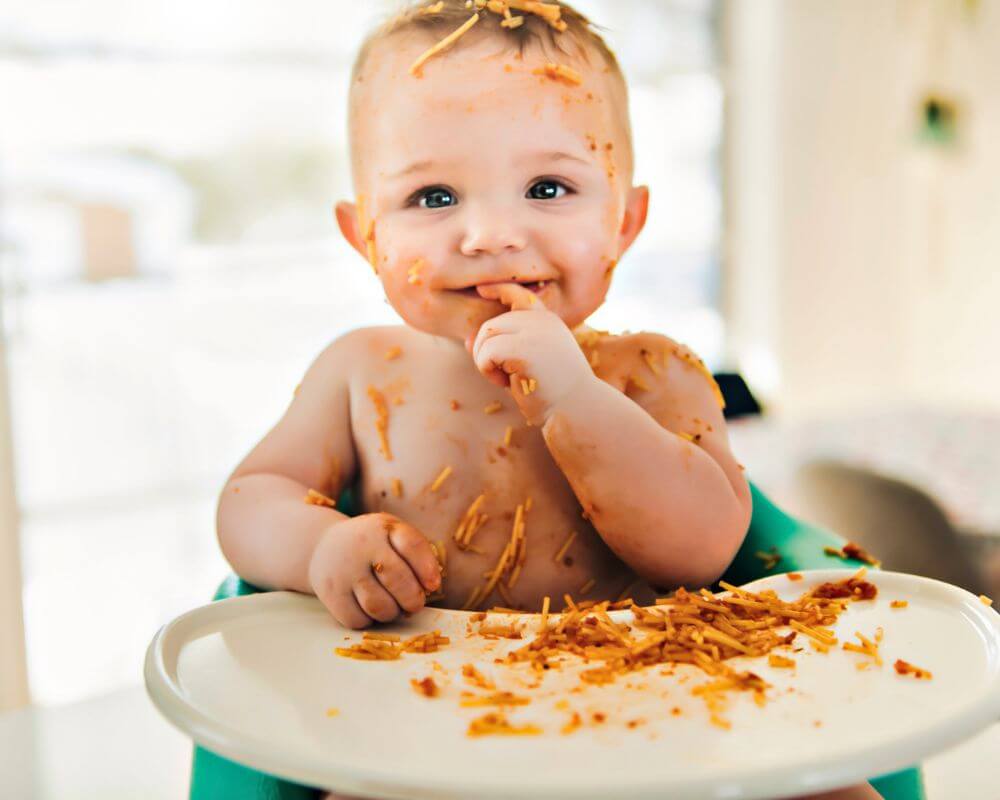
- Allow Exploration: BLW is about letting your baby explore food, so don’t worry if they make a mess.
- Be Patient: It may take some time for your baby to get the hang of self-feeding, so be patient and supportive.
Common Concerns and Allergies
Allergenic Foods
When introducing allergenic foods to your baby, it’s essential to do so carefully and watch for any adverse reactions. Common allergenic foods include:
- Peanuts: Some experts recommend introducing peanut products early to reduce the risk of peanut allergies.
- Eggs: Cooked eggs are a good source of protein, but egg whites can be allergenic.
- Cow’s Milk: Wait until your baby is at least 12 months old before introducing cow’s milk as a primary drink.
Allergy Testing and Consultation
If you have concerns about allergies, consult with an allergist or pediatrician before introducing allergenic foods. They can provide guidance and recommend appropriate testing if needed.
Tips for Making Mealtime Fun
Creative Presentation
Making meals visually appealing can pique your baby’s interest in trying new foods. Here are some creative presentation ideas:
- Food Faces: Arrange different foods to create smiley faces or other fun designs on your baby’s plate.
- Colorful Plates: Use colorful plates and utensils to make mealtime more visually appealing.
- Tiny Tasters: Serve small portions of various foods to encourage exploration.
Involving Your Baby in Food Preparation
As your baby grows, involving them in food preparation can be a fun and educational experience. Here’s how you can do it:
- Let Them Explore: Allow your baby to touch, smell, and even taste (within reason) different ingredients while you cook.
- Simple Tasks: As they become toddlers, they can help with simple tasks like washing fruits and vegetables or stirring ingredients.
Troubleshooting: Picky Eaters and Mealtime Battles
Strategies for Dealing with Picky Eaters
If your baby becomes a picky eater, don’t worry; it’s a common phase. Here are some strategies to help:
- Offer Variety: Continue to offer a variety of foods, even if your baby initially rejects them.
- Lead by Example: Let your baby see you enjoying a wide range of foods to set a positive example.
- Stay Calm: Avoid mealtime battles and stay calm. Forcing food can create negative associations with eating.
Avoiding Mealtime Battles
Mealtime battles can be frustrating for both you and your baby. Here are some tips to prevent them:
- Set a Routine: Establish a consistent mealtime routine to create a sense of predictability for your baby.
- Limit Distractions: Minimize distractions during mealtime, such as TV or electronic devices.
- Create a Positive Environment: Make mealtimes enjoyable by sitting together as a family and offering praise for trying new foods.
Conclusion
Embracing flavorful beginnings is not only exciting for your baby but also a wonderful way to foster a love for diverse foods and a healthy attitude toward eating. As you explore these adventurous first foods and introduce your little one to a world of flavors, savor every moment of discovery together.
Remember, every baby is unique, and their preferences may evolve over time. The key is to create a positive mealtime environment that encourages exploration and nourishment. Enjoy this special journey with your baby as you embark on a flavorful adventure together!
Share This Story, Choose Your Platform!


Latest Post


Latest News To Your Inbox
Subscribe to hear about our latest blog posts, competitions and special offers.