
The Ultimate Guide to Broccoli and Cauliflower Cheese for Your Little One
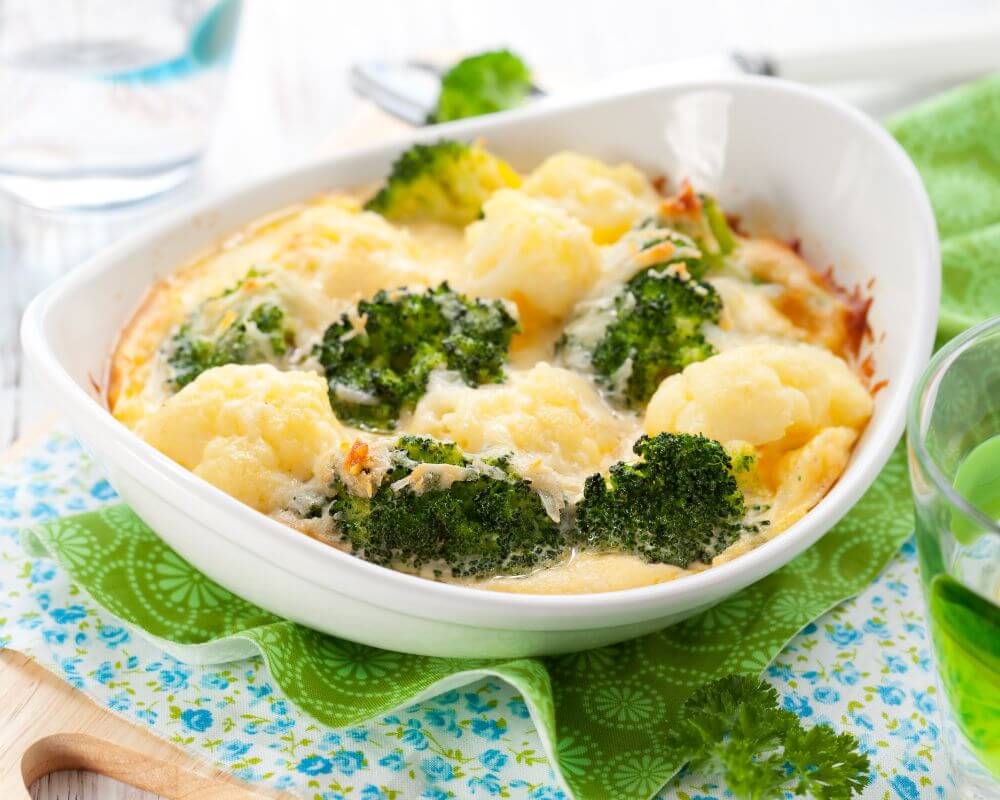
Hey there, fellow parents! Today, I’m super excited to share with you one of my all-time favorite recipes for little ones – Broccoli and Cauliflower Cheese. If you’ve been looking for a delicious, nutritious, and easy-to-make dish that your baby will adore, you’ve come to the right place. In this comprehensive guide, we’ll dive deep into the world of this cheesy, veggie-packed delight. So, grab a cup of tea (or coffee, if you’re anything like me), and let’s get started on this culinary adventure!
Why Broccoli and Cauliflower Cheese?
As a parent, you’re always on the lookout for nutritious and tasty meals for your little one. Broccoli and cauliflower cheese is a fantastic choice because it combines the goodness of two super-veggies with the irresistible appeal of creamy, cheesy sauce. Plus, it’s an excellent way to introduce your baby to a variety of flavors and textures, setting the stage for a lifetime of healthy eating habits.
Nutritional Benefits for Your Baby
Before we dive into the kitchen, let’s talk about the incredible health benefits this dish offers:
Fiber for Digestive Health
Broccoli and cauliflower are packed with fiber, promoting healthy digestion in your baby. Fiber helps keep their tummy happy and regulates bowel movements.
Calcium for Strong Bones
Cheese provides essential calcium for strong bones and teeth. This is crucial for your baby’s growth and development, especially during the early years.
Vitamins and Antioxidants
These veggies are rich in vitamins like C and K, which are essential for your baby’s overall health. Additionally, they contain antioxidants that support your baby’s growing immune system, helping them fight off illnesses.
Safety Tips for Introducing Solid Foods
Before introducing this cheesy goodness to your baby, remember to:
- Ensure your baby is ready for solids, typically around 6 months. Check for signs of readiness, such as the ability to sit up and a diminishing tongue thrust reflex.
- Consult with your pediatrician for guidance. They can provide personalized recommendations based on your baby’s unique needs and development.
- Be mindful of potential allergies and introduce one new ingredient at a time. This way, if your baby has an adverse reaction, you can easily identify the culprit.
Ingredients You’ll Need
Now, let’s gather the ingredients for this culinary adventure. Don’t worry; it’s a straightforward recipe with readily available items!
Broccoli and Cauliflower
You’ll need about 2 cups of each, chopped into bite-sized florets. Here’s why these veggies are stars in your baby’s diet:
- Broccoli: Packed with vitamin C and folate, broccoli helps in tissue repair and supports a healthy immune system.
- Cauliflower: Rich in vitamins K and B6, cauliflower contributes to proper blood clotting and brain development.
Cheese
Opt for mild cheddar or Monterey Jack cheese for a baby-friendly flavor. Cheese adds creaminess and that irresistible cheesy appeal to the dish.
Milk
Use whole milk for creaminess. The fat content in whole milk is essential for your baby’s brain development.
Butter
Unsalted butter works best for controlling the salt content. It adds a rich, buttery flavor to the cheese sauce.
Flour
Just a tablespoon for thickening the sauce. Flour helps achieve that perfect, velvety texture.
Spices and Seasonings
- A pinch of nutmeg: Nutmeg adds a hint of warmth and complexity to the dish.
- A dash of black pepper (skip for very young babies): Black pepper can introduce mild spiciness to the dish, but it’s best to omit it for the youngest eaters.
- Salt (optional and to taste): You can add a pinch of salt if you prefer, but it’s not necessary, especially for babies. You can always salt your portion separately.
Now that we’ve got our ingredients sorted, let’s move on to the fun part – cooking!
Step-by-Step Recipe
Preparing the Veggies
- Wash and Chop: Rinse the broccoli and cauliflower under cold water. Chop them into small, baby-friendly florets. Remember to trim any tough stems.
- Steam: Steam the veggies until they’re tender but not mushy. This usually takes about 5-7 minutes. Steaming helps retain the veggies’ nutrients.
- Shock in Cold Water: After steaming, quickly immerse the veggies in cold water to stop the cooking process and preserve that vibrant green color. This step is crucial for maintaining the veggies’ texture and color.
Making the Cheese Sauce
- Melt Butter: In a saucepan, melt 2 tablespoons of butter over medium heat. The butter adds a delightful richness to the cheese sauce.
- Add Flour: Sprinkle in 1 tablespoon of flour and whisk continuously for 2 minutes until it turns golden brown. This creates a roux, which serves as the base for our creamy sauce.
- Pour in Milk: Gradually pour in 1 cup of whole milk while whisking to avoid lumps. Continue whisking until the mixture thickens. This typically takes about 3-4 minutes. The milk adds creaminess and nutrients to the sauce.
- Season and Simmer: Add a pinch of nutmeg, a dash of black pepper (if your baby is ready), and salt to taste. Let it simmer gently until the sauce thickens. The nutmeg adds a warm, aromatic note to the sauce, enhancing its flavor.
Combining Veggies and Cheese
- Mix Veggies: In a baking dish, combine the steamed broccoli and cauliflower. Make sure the veggies are evenly distributed.
- Add Cheese Sauce: Pour the cheesy sauce over the veggies, making sure they’re well coated. The creamy cheese sauce beautifully complements the veggies’ earthy flavors.
Baking to Perfection
- Bake: Preheat your oven to 350°F (175°C) and bake your dish for about 20-25 minutes until it’s bubbling and golden brown on top. Baking not only melds the flavors but also gives the dish a delightful crispy texture.
- Cool Slightly: Let it cool for a few minutes before serving to avoid burning your baby’s mouth. A short cooling period also allows the flavors to settle and intensify.
Now, you’ve got a delicious dish that your baby is going to love. But hold on, we’re not done yet!
Customizing for Your Baby
Babies can be picky eaters, and that’s perfectly normal. Here are some ways to customize your broccoli and cauliflower cheese to suit your little one’s preferences:
Texture Preferences
- Puree: If your baby is just starting on solids, you can blend the veggies and cheese sauce for a smooth, creamy texture. This makes it easier for them to swallow and digest.
- Mashed: For slightly older babies who are transitioning to more textured foods, use a fork to mash the veggies and cheese for a chunkier consistency. This allows them to practice their chewing skills.
- Finger Foods: For even older babies with a few teeth, serve small florets with a side of cheese sauce for dipping. This not only encourages self-feeding but also adds an element of fun to mealtime.
Flavor Variations
- Herbs: Experiment with fresh herbs like basil or parsley for added flavor. Chop them finely and sprinkle them over the dish before serving. These herbs not only enhance the taste but also introduce your baby to different herb flavors.
- Garlic: A touch of minced garlic can introduce new flavors (suitable for older babies). Garlic adds a savory dimension to the dish. Ensure it’s finely minced to avoid any strong, overpowering tastes.
Allergen Considerations
If your baby has allergies or sensitivities, consider these substitutions:
- Dairy-Free: Opt for dairy-free cheese and milk. Many supermarkets now offer delicious dairy-free alternatives made from soy, almond, or oat.
- Gluten-Free: Replace flour with a gluten-free alternative like rice flour or cornstarch. This is perfect for babies with gluten sensitivities or allergies.
Feeding Your Little One
Now that you’ve prepared this scrumptious dish, let’s talk about how to serve it to your baby in the most baby-friendly way.
Appropriate Portion Sizes
- Start with a small serving, about a tablespoon or two, to gauge your baby’s interest. Remember that their stomachs are still tiny, and it’s normal for them to eat small amounts.
- Increase portions gradually as your baby becomes more comfortable with solids and their appetite grows.
Serving Temperature
- Serve at a warm but not scalding temperature. Test it on the inside of your wrist to ensure it’s not too hot. You want it comfortably warm for your baby’s delicate palate.
Baby-Friendly Utensils
- Use baby-friendly utensils like soft spoons or forks designed for little hands. These utensils are safe for your baby to hold and experiment with as they learn to self-feed.
- Consider using a suction-based plate or bowl to prevent accidental spills and make mealtime less messy.
Storage and Reheating
So, what if you make a big batch and have leftovers? Here’s how to handle storage and reheating:
Freezing Tips
- If you have extra portions, you can freeze them for future meals. Place individual servings in airtight containers or freezer bags to maintain freshness.
- Be sure to label and date the containers, so you know how long they’ve been in the freezer. Generally, frozen dishes can be enjoyed within 2-3 months.
Reheating Safely
- To reheat, simply thaw the frozen portions in the refrigerator overnight. Then, heat them gently in the microwave or on the stovetop until they’re warm but not too hot.
- Stir occasionally while reheating to ensure even heating and prevent hot spots.
Now you’re equipped with all the knowledge you need to make this fantastic dish a staple in your baby’s diet. But wait, there’s more to explore!
Frequently Asked Questions
Can I use frozen vegetables?
Yes, you can use frozen broccoli and cauliflower if fresh isn’t available. Just follow the same steaming process to ensure they’re tender but not overcooked.
How can I make it dairy-free?
To make a dairy-free version, choose dairy-free cheese and milk alternatives. There are numerous options available, such as almond milk and vegan cheese.
When can my baby start eating this?
Most babies can begin enjoying this dish around 6-8 months of age, when they’ve already been introduced to basic purees and are ready for more textured foods. Always consult with your pediatrician for guidance tailored to your baby’s development.
Conclusion
Mealtime with your baby is a beautiful journey filled with discoveries and delights. Broccoli and cauliflower cheese is not only a nutritious choice but also a tasty adventure waiting to be explored. By customizing it to your baby’s preferences and following safety guidelines, you can make this dish a cherished part of your baby’s diet.
Celebrate each meal with your little one, and watch as they grow into healthy, happy eaters. Bon appétit!
Share This Story, Choose Your Platform!


Latest Post


Latest News To Your Inbox
Subscribe to hear about our latest blog posts, competitions and special offers.