
What to Do If Your Baby Won’t Eat Solid Food

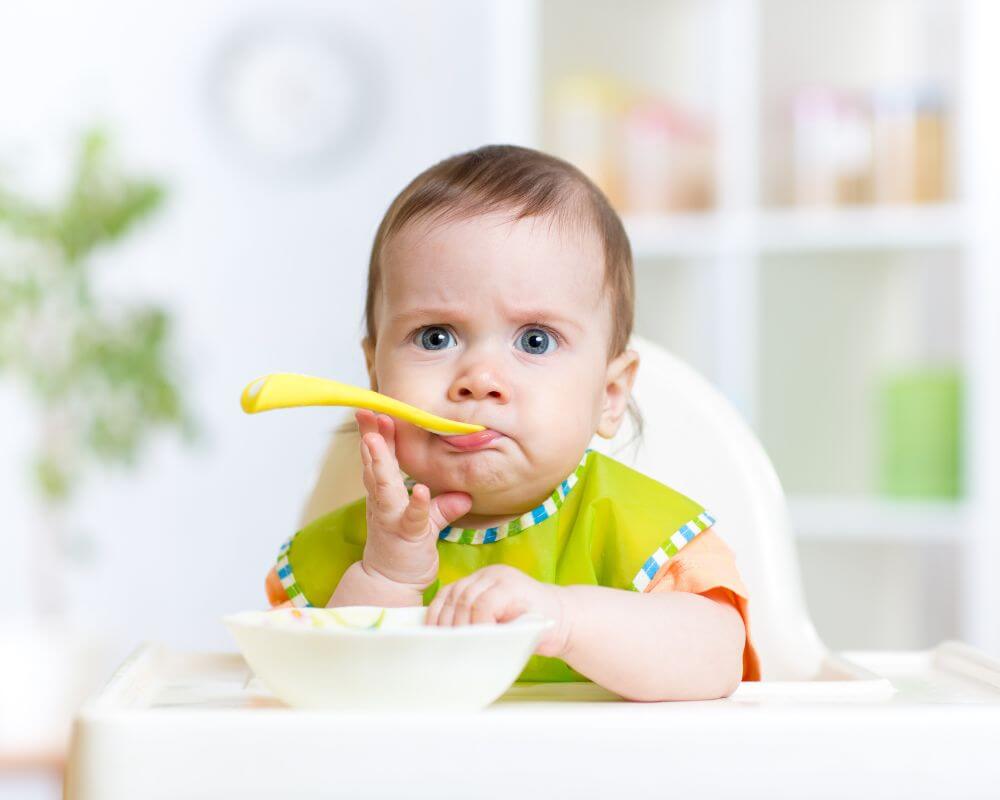
Hey there, fellow parents! I know that introducing solid foods to your baby can be both exciting and challenging. It’s a big milestone in your baby’s life, and it’s natural to have questions and concerns along the way. If you’ve found yourself in the frustrating situation where your baby just won’t eat solid food, don’t worry, you’re not alone, and I’ve got your back. In this comprehensive guide, I’ll share my personal experiences and research-backed tips to help you navigate this tricky phase.
Understanding the Basics
Before we dive into the solutions, let’s understand some basics about introducing solid foods to your baby.
When to Start
The American Academy of Pediatrics (AAP) recommends starting solid foods around six months of age. However, every baby is unique, so it’s essential to watch for signs of readiness, such as good head control, sitting up with support, showing interest in food, and losing the tongue-thrust reflex.
Types of Solid Foods
There are various options to choose from when introducing solids, including purees, mashed foods, and baby-led weaning (BLW). The choice often depends on your baby’s readiness and your preferences.
Common Challenges
Now, let’s address some common challenges you might encounter when introducing solids.
1. Refusing to Eat
Scenario: Your baby clamps their mouth shut when you try to feed them solids.
Solution: Be patient and avoid pressure. Sometimes, babies need time to adjust to new textures and flavors. Try different foods and textures to find what your baby likes. Make mealtimes fun and relaxed.
2. Spitting Out Food
Scenario: Your little one tastes the food but spits it out immediately.
Solution: This is normal! Babies have a sensitive gag reflex, which can cause them to spit out unfamiliar textures. Start with smoother textures and gradually introduce lumpier ones as your baby gets used to solids.
3. Crying During Meals
Scenario: Your baby seems upset and cries during meals.
Solution: Check for any discomfort, such as teething pain or gas. Ensure the temperature of the food is suitable, not too hot or cold. Keep mealtimes calm and pleasant, and if your baby seems uninterested, try again later.
4. Not Enough Interest
Scenario: Your baby doesn’t show much interest in solid foods.
Solution: Don’t force it. Continue breastfeeding or formula feeding as the primary source of nutrition and offer solids as an addition. Let your baby explore and play with food to become more comfortable with it.
Strategies to Encourage Solid Food Intake
Now that we’ve covered the challenges let’s delve into some strategies to encourage your baby to eat solids.
1. Be a Role Model
Babies often mimic their parents or caregivers. Eat meals together as a family, and let your baby see you enjoying a variety of foods.
2. Texture Graduation
Start with smooth purees and gradually introduce lumpier textures. This progression can help your baby get accustomed to different sensations in their mouth.
3. Flavor Exploration
Experiment with different flavors. Babies have taste preferences too! Try fruits, vegetables, and grains to see what your baby enjoys.
4. Timing Matters
Choose the right time for meals when your baby is alert and not too tired or hungry. A calm and relaxed environment can make a significant difference.
5. Fun with Finger Foods
If you’re open to baby-led weaning, offer age-appropriate finger foods that your baby can explore independently. This can be a great way to encourage self-feeding.
6. Consistency is Key
Consistency in offering solids is essential. Even if your baby initially refuses, keep offering in small amounts to familiarize them with the concept of eating.
Troubleshooting Persistent Issues
If your baby’s reluctance to eat solids persists, there might be underlying issues to consider.
1. Consult a Pediatrician
If you’re concerned about your baby’s eating habits or overall growth, consult your pediatrician. There could be medical reasons or allergies that need attention.
2. Allergies and Sensitivities
Pay attention to any signs of allergies or sensitivities, such as rashes, diarrhea, or vomiting. Common allergenic foods include dairy, eggs, peanuts, and wheat. Discuss any concerns with your healthcare provider.
3. Oral Motor Skills
Sometimes, delays in oral motor development can affect a baby’s ability to eat solids. Occupational or speech therapy may be necessary if your baby struggles with chewing and swallowing.
Keeping Mealtime Positive
Remember, the goal is to create a positive association with food and mealtimes. Keep the atmosphere relaxed, offer praise, and be patient with your little one. Celebrate small victories and don’t dwell on setbacks.
Conclusion
Introducing solids to your baby can be a rollercoaster ride, but with the right approach and a lot of patience, you’ll get through it. Every baby is different, and what works for one may not work for another, so be flexible and open to trying new things. Remember, you’re not alone in this journey, and there’s a world of support and resources available to help you and your baby navigate this exciting phase.
So, keep those bibs ready, and let’s embark on this culinary adventure with your baby!
Share This Story, Choose Your Platform!


Latest Post


Latest News To Your Inbox
Subscribe to hear about our latest blog posts, competitions and special offers.