Understanding Stranger Anxiety in Babies: When Your Little One Gets Shy
Hey there, fellow parents and curious minds! Today, let’s delve deep into a topic that many of us encounter during our baby’s early years: Stranger Anxiety. If you’re a parent, you’ve probably experienced those moments when your once-smiling baby suddenly becomes a little wary of unfamiliar faces. Don’t worry; it’s a common and healthy phase of development. In this comprehensive guide, we’ll explore what stranger anxiety is, why it happens, when you can expect it, and how to navigate this fascinating phase in your baby’s life.
What is Stranger Anxiety?
Stranger anxiety is a perfectly normal and even healthy part of your baby’s development. It typically emerges between 6 and 12 months of age, peaking around 9 months. It’s a stage where your little one becomes more selective about the people they feel comfortable with and may become wary or anxious around unfamiliar faces. Essentially, your baby is showing signs of understanding who belongs to their trusted circle and who doesn’t.
Why Does Stranger Anxiety Happen?
Understanding the reasons behind stranger anxiety can help you better support your baby during this phase. Here are some key factors that contribute to this natural response:
Attachment Development:
Stranger anxiety is closely linked to the development of attachment. Babies at this stage are becoming more aware of their primary caregivers (usually parents) and forming strong emotional bonds with them. They’ve learned to rely on their caregivers for comfort, security, and love.
Cognitive Development:
Around the age when stranger anxiety typically emerges, your baby’s cognitive development is in full swing. They are starting to understand concepts like object permanence (knowing that an object or person exists even when out of sight) and are becoming more aware of their surroundings.
Social Awareness:
Babies are incredibly perceptive, even from a very young age. They pick up on social cues and emotions, such as facial expressions and body language. When a stranger approaches, your baby might sense your tension or hesitation, which can influence their own feelings of unease.
When Does Stranger Anxiety Typically Begin?
Stranger anxiety usually begins to show its face (pun intended!) between 6 and 12 months of age. It can vary from baby to baby, so don’t be alarmed if your friend’s baby experiences it earlier or later than yours. As mentioned earlier, it often peaks around 9 months but can continue for a while as your baby becomes more socially aware.
Signs of Stranger Anxiety
So, how do you know if your baby is experiencing stranger anxiety? Look out for these telltale signs:
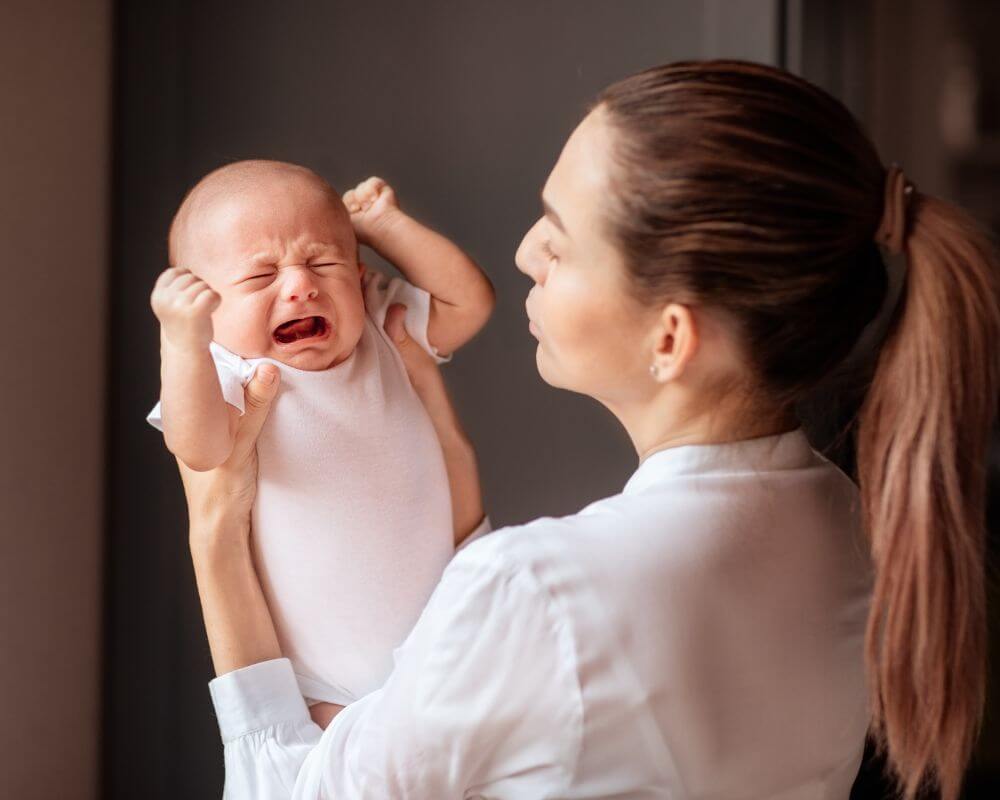
- Clinginess: Your baby might become clingy and want to be held by you when a stranger approaches.
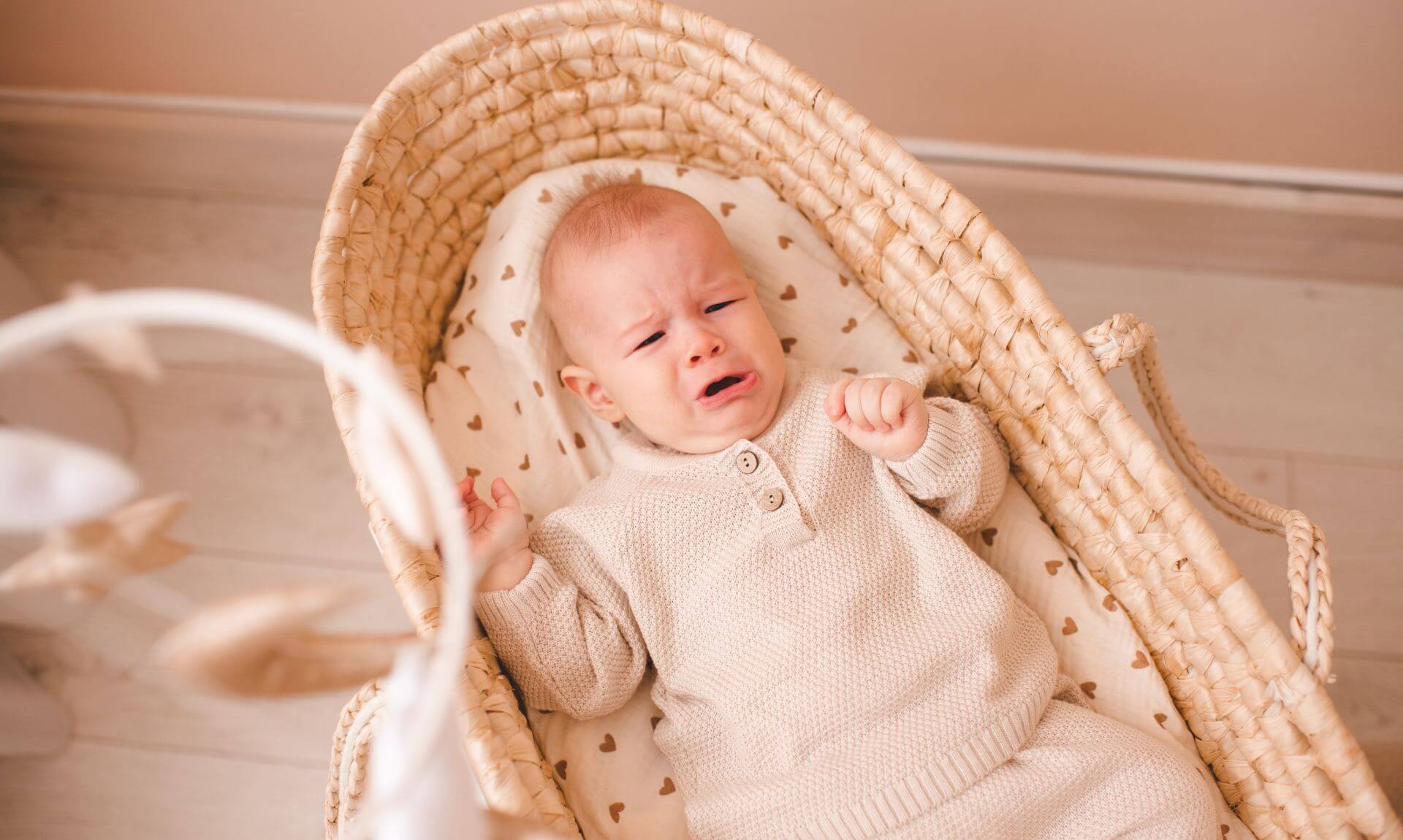
- Crying or Whimpering: If a stranger tries to interact with your baby, they might start crying or whimpering, seeking comfort from you.
- Avoidance: Your baby may turn away from the stranger’s gaze or bury their face in your shoulder to avoid eye contact.
- Nervousness: You might notice your baby displaying signs of nervousness, like thumb-sucking or twirling their hair.
Coping Strategies for Stranger Anxiety
Seeing your baby distressed can be tough, but rest assured that there are ways to help them navigate this phase with confidence. Here are some strategies to consider:
Gradual Exposure:
Introduce your baby to new faces gradually. Start with close family members and friends who visit often, then gradually expand their circle of acquaintances. This slow exposure allows your baby to become more comfortable with new people.
Stay Calm and Reassuring:
Your baby is highly attuned to your emotions. If you remain calm and reassuring when introducing them to new people, it can help ease their anxiety. Smile, use a soothing tone, and offer a comforting touch.
Respect Their Boundaries:
Don’t force your baby to interact with strangers if they’re not comfortable. Respect their boundaries and allow them to approach new people at their own pace.
Maintain Familiarity:
When you’re in new environments or meeting new people, bring along familiar objects or toys that your baby loves. Having these comfort items can provide a sense of security.
Consistency:
Stick to routines and schedules as much as possible. Predictability can be reassuring for your baby during this uncertain phase.
Positive Social Experiences:
Encourage positive interactions with people your baby doesn’t know well. For example, engage in activities like peek-a-boo or gentle games to make the experience enjoyable.
Conclusion
Stranger anxiety is a normal and healthy part of your baby’s development. It signifies their growing awareness of their surroundings, their attachment to you as a primary caregiver, and their ability to pick up on social cues. While it can be challenging at times, remember that it’s a passing phase, and with your support, your baby will grow more confident in social situations.
As parents, our role is to provide a loving and supportive environment for our little ones as they navigate these early developmental milestones. Cherish the moments when your baby seeks comfort in your arms, knowing that you are their safe haven.
So, the next time your baby gives a wary look to a friendly stranger, remember that it’s just a sign of their healthy development, and with your guidance, they’ll continue to grow and flourish.
Share This Story, Choose Your Platform!


Latest Post

Latest News To Your Inbox
Subscribe to hear about our latest blog posts, competitions and special offers.