When Do Babies Start Remembering Faces and Things?
Hey there, fellow parents and curious minds! Today, we’re diving deep into the fascinating world of baby development. One question that’s often on the minds of new parents is, “When do babies start remembering faces and things?” It’s a milestone that marks the beginning of your baby’s cognitive journey. So, let’s explore this topic in detail and get a better understanding of when those adorable little ones start remembering the people and things around them.
Introduction
Babies are like sponges, absorbing everything around them from the moment they are born. Their brains are constantly developing, and one of the most exciting milestones is when they start to remember faces and things. This process is a crucial part of their cognitive development and sets the stage for future learning and social interactions.
Understanding Baby Memory
Before we dive into when babies start remembering faces and things, it’s essential to grasp the basics of how memory works in infants. Baby memory can be broken down into three main types:
- Sensory Memory: This is the shortest form of memory and involves retaining information from the senses for a brief period. It’s the first step in the memory process, allowing babies to react to stimuli in their environment.
- Short-Term Memory: As babies grow, their ability to hold information for a short period of time improves. This type of memory is essential for tasks like following simple instructions or remembering where they put their toy just a few minutes ago.
- Long-Term Memory: Long-term memory is the one we’re most interested in when it comes to remembering faces and things. This type of memory allows babies to store information for extended periods, even days, weeks, or months.
When Do Babies Start Remembering Faces?
Now, let’s get to the heart of the matter – when do those adorable little bundles of joy start remembering faces? Well, it’s a process that unfolds gradually. Here’s a breakdown of the different stages:
Stage 1: Recognizing Familiar Faces (Around 2-3 Months)
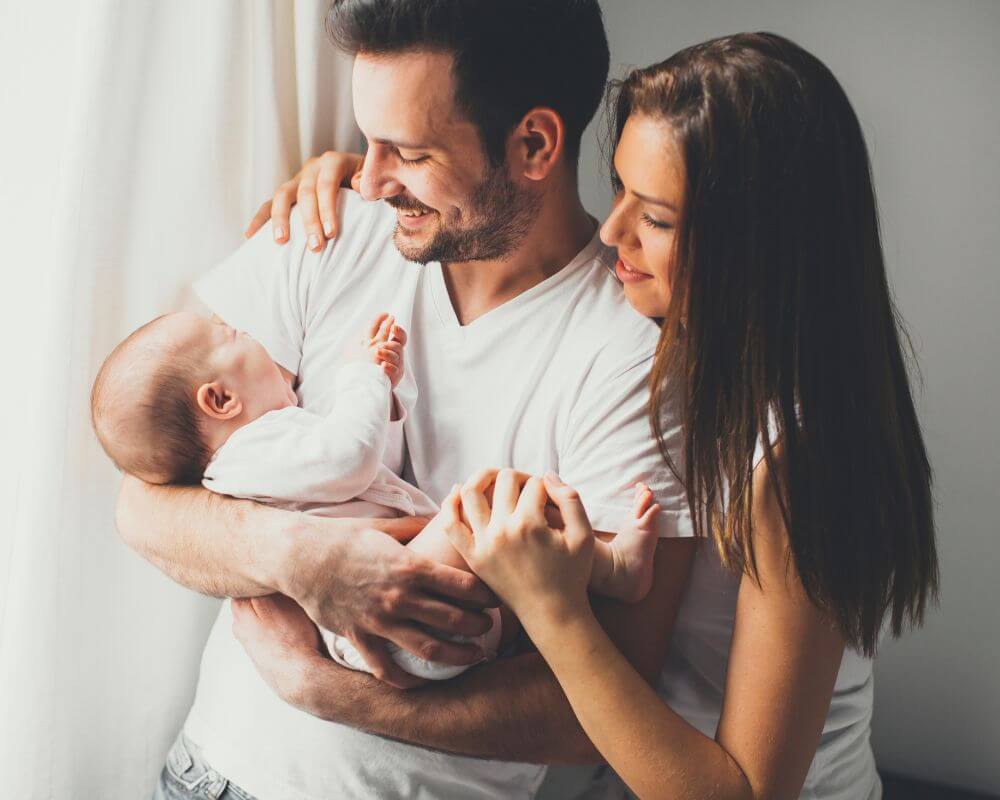
At around 2-3 months of age, babies start to recognize and respond to familiar faces, most notably their primary caregivers. This is a heartwarming phase where you’ll notice your baby turning towards your face when you speak, smile, or simply enter their field of vision.
During this stage, babies are honing their ability to distinguish between different faces. They’ll often respond more positively to familiar faces, such as parents and siblings, than to strangers.
Tip: Engage in plenty of face-to-face interactions with your baby during this stage. Smiling, talking, and making eye contact helps strengthen the bond and reinforces their recognition of your face.
Stage 2: Remembering Familiar Faces (Around 6-9 Months)
Between 6-9 months, your baby’s memory starts to evolve. They can remember and recognize familiar faces even when those individuals are not present. If Grandma comes to visit regularly, your baby may start to show excitement when they hear her voice or see her picture.
This stage is not just about recognizing faces but also about forming strong emotional attachments. Your baby understands that the people they love are part of their world, even when they’re not in the same room.
Tip: Introduce photographs of family members and friends to your baby during playtime. This helps them connect the image with the person, strengthening their memory.
Stage 3: Remembering Familiar Things (Around 9-12 Months)
Around 9-12 months, babies begin to remember familiar objects and things. They might recall the shape of their favorite toy, the sound of their musical mobile, or the feel of their security blanket. This stage marks a significant development in their cognitive abilities.
During this period, your baby’s memory expands beyond just people to encompass the physical world around them. They can anticipate and seek out the things they enjoy, bringing a new level of independence to their daily routines.
Tip: Keep their favorite toys and objects around for consistency. This helps reinforce their memory of these items.
Factors That Influence Baby Memory
Baby memory development isn’t just about age; several factors can influence when and how well your baby remembers faces and things:
- Genetics: Every baby is unique, and their genetic makeup can play a role in their cognitive development. Some babies may naturally have a more robust memory capacity than others.
- Environment: A stimulating and loving environment can enhance memory development. Interactions, sensory experiences, and exposure to a variety of stimuli are all beneficial. Talk, sing, and play with your baby regularly to create a rich learning environment.
- Health: A healthy baby is more likely to hit developmental milestones on time. Ensure your baby receives regular check-ups and vaccinations to support their overall well-being. Address any health concerns promptly to minimize potential developmental delays.
- Nutrition: Proper nutrition is essential for brain development. Breast milk or formula provides the necessary nutrients for a growing brain. As your baby transitions to solid foods, offer a balanced diet with plenty of fruits, vegetables, and whole grains.
- Sleep: Babies need quality sleep for optimal brain development. Make sure your baby is getting enough rest to support memory and learning. Establish a consistent sleep routine to help them get the sleep they need.
Activities to Boost Baby Memory
As parents, we all want to support our baby’s development to the fullest. Here are some fun and engaging activities to help boost your baby’s memory:
- Peek-a-Boo: This classic game helps babies learn object permanence and can strengthen their memory as they anticipate your return. Play this game during diaper changes, bath time, or before bedtime for added enjoyment.
- Reading Together: Reading to your baby exposes them to new words and concepts, aiding in memory development. Choose age-appropriate board books with colorful pictures and simple text. Snuggle up and make storytime a daily ritual.
- Sensory Play: Engage your baby’s senses with textured toys, colorful objects, and a variety of sounds. Sensory stimulation can enhance memory by creating memorable experiences. Fill a bin with soft fabric scraps, textured balls, or safe household items like wooden spoons for your baby to explore.
- Music Time: Sing songs and play music for your baby. Music can be a powerful memory enhancer. Create a playlist of lullabies, nursery rhymes, and calming tunes to play during naptime or when winding down for bedtime.
- Exploring Nature: If safe and appropriate, take your baby for short walks outdoors. The new sights, sounds, and smells can stimulate their memory. Point out birds, trees, and flowers as you stroll together, encouraging your baby to observe and remember the natural world around them.
- Family Photo Albums: Create a family photo album filled with pictures of loved ones. Flip through the album regularly, naming family members and sharing stories about each person. This visual reinforcement can strengthen your baby’s memory of relatives.
Conclusion
So, when do babies start remembering faces and things? It’s a gradual process that begins as early as 2-3 months with the recognition of familiar faces and evolves over the first year of life. Remember that every baby is unique, and development varies from child to child.
As parents, our role is to provide a nurturing and stimulating environment that supports our baby’s memory development. Engage in meaningful interactions, create a safe and loving space, and enjoy the precious moments as your little one’s memory blossoms.
Stay tuned for more insights into the incredible journey of parenthood, and remember, every day with your baby is a new adventure filled with love and discovery.
Share This Story, Choose Your Platform!

Latest Post

Latest News To Your Inbox
Subscribe to hear about our latest blog posts, competitions and special offers.