When Do Babies’ Eyes Change Color?
Hey there, fellow parents and curious minds! Today, we’re diving into one of those fascinating mysteries of babyhood: when do babies’ eyes change color? As a parent myself, I’ve been down this rabbit hole of wonder, and I’m here to guide you through it. So grab your coffee, get cozy, and let’s explore this intriguing journey of eye color transformation in our little ones.
Understanding the Basics
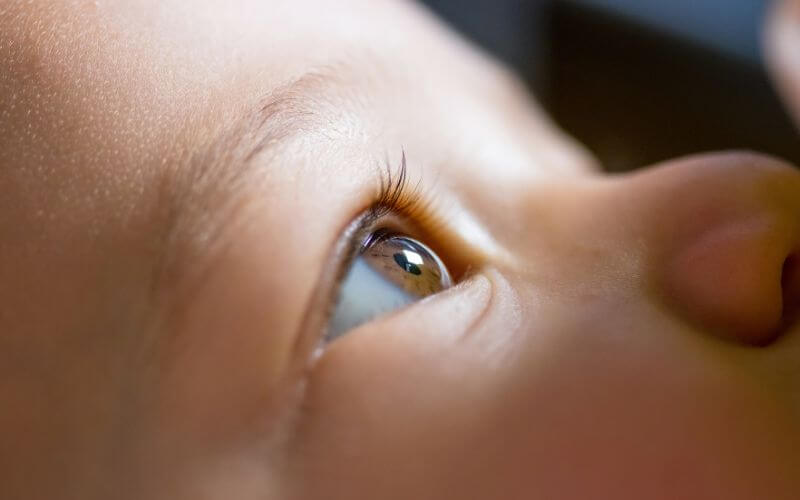
Before we get into the nitty-gritty details, let’s start with the basics. Your baby’s eye color is determined by genetics, specifically the genes inherited from both parents. These genes control the amount and type of melanin, the pigment responsible for eye, hair, and skin color. At birth, most babies have blue or grayish-blue eyes due to the low melanin levels. But over time, something magical happens.
The Color Transformation Timeline
1. The First Few Months
Babies are like magic chameleons. In the initial months, you’ll notice their eyes might change ever so subtly. But don’t expect any dramatic shifts just yet.
- Blue or Gray: Newborns typically have blue or grayish-blue eyes. This is because their irises haven’t yet settled on a final color due to low melanin levels.
- Hazel and Green Hints: Some babies may show hints of hazel or green during the first few months, especially if they have parents with lighter eyes. It’s like a sneak peek into the future.
Key Takeaway: The first few months are characterized by the initial stages of eye color development. Most babies start with blue or gray eyes.
2. The First Year
Watch closely for the transition. The most significant eye color changes tend to occur within the first year of life.
- Around Six Months: This is the sweet spot for many babies. By six months, you might start to see the first hints of their permanent eye color emerging.
- Predicting Blue or Brown: If your baby’s eyes are still blue at six months, there’s a good chance they’ll stay blue. However, if they’re turning brown, they’ll likely remain brown.
- The Mysterious Greens and Hazels: For babies with green or hazel eyes, these shades can evolve and become more defined during their first year.
Key Takeaway: The first year is when you’ll witness the most noticeable changes in your baby’s eye color. Keep an eye out for those evolving shades!
3. The Toddler Years
The final act of transformation. While most eye color changes occur during the first year, some babies might continue to experience subtle shifts in their eye color until they’re around three years old.
- Stabilizing Eye Color: By the time your baby reaches their third birthday, their eye color is generally stable and unlikely to change significantly.
Key Takeaway: By the toddler years, your baby’s eye color should be close to its final hue, with minimal further changes expected.
Factors Influencing Eye Color
Now, you might be wondering, what determines the final eye color? Here are some factors that come into play:
1. Genetics
It’s all in the genes. The eye color of both parents contributes to the likelihood of what color your baby’s eyes will be. If both parents have brown eyes, there’s a higher chance their baby will have brown eyes too.
- Brown Dominance: Brown is considered a dominant eye color, which means it tends to override lighter colors like blue or green.
- Blue and Green Genes: Blue and green eyes are often considered recessive, which means both parents must carry the corresponding genes for their baby to inherit those eye colors.
Key Takeaway: The combination of your and your partner’s eye color genes plays a significant role in your baby’s eventual eye color.
2. Melanin Production
The melanin magic. The amount and type of melanin your baby’s irises produce play a significant role in determining eye color.
- More Melanin, Darker Eyes: Higher melanin levels result in darker eye colors, such as brown. Lower levels lead to lighter colors like blue or green.
- Melanin Changes Over Time: As your baby’s melanin production ramps up, it can change the color of their eyes, making them darker as they grow.
Key Takeaway: Melanin, the pigment responsible for color in the eyes, continues to develop in your baby’s irises, influencing their final eye color.
3. Ethnic Background
Ancestors matter. Ethnic background can also influence eye color. For example, babies of African, Asian, and Hispanic descent tend to have a higher likelihood of brown eyes, while those of European descent are more likely to have blue or green eyes.
Key Takeaway: Your family’s ethnic background can contribute to the range of eye colors your baby might inherit.
4. Lighting and Reflection
Tricks of the light. The lighting in the environment can temporarily affect how you perceive your baby’s eye color. In bright sunlight, lighter eyes might appear more vibrant, while in dim lighting, they could seem darker.
Key Takeaway: Keep in mind that the lighting and surroundings can make your baby’s eye color appear different at times, but it’s not indicative of their actual eye color.
FAQs About Baby Eye Color
Let’s tackle some common questions parents often ask about their baby’s eye color:
1. Can my baby’s eyes go from brown to blue or vice versa?
It’s rare, but yes, it can happen. Occasionally, a baby’s eyes might undergo a surprising color change in their first few years, influenced by genetics and melanin levels.
Key Takeaway: While uncommon, it’s possible for a baby’s eye color to change dramatically, even from brown to blue or vice versa.
2. Will my baby’s eye color be the same as mine or my partner’s?
There’s a good chance your baby’s eye color will be similar to that of one or both parents. However, due to the complexity of genetics, surprises can happen!
Key Takeaway: Your baby’s eye color can be influenced by both you and your partner’s genes, but it’s not always an exact match.
3. Can I predict my baby’s final eye color based on their birth color?
While birth color can offer clues, it’s not a definitive predictor. Some babies with blue or gray eyes at birth end up with brown eyes, and vice versa.
Key Takeaway: Birth color provides hints, but it’s not a crystal ball for predicting your baby’s final eye color.
4. Does the eye color of siblings follow a pattern?
Not necessarily. Siblings can have different eye colors, even if they share the same parents. It all depends on the genetic combinations inherited from both sides.
Key Takeaway: Sibling eye colors can vary widely, making each child’s eye color unique.
5. Is there anything I can do to influence my baby’s eye color?
Unfortunately, there’s no known way to change or influence your baby’s eye color. It’s entirely determined by their genetic makeup.
Key Takeaway: Your baby’s eye color is genetically predetermined and cannot be altered.
Celebrating the Diversity of Baby Eyes
In the grand scheme of parenting, your baby’s eye color is just one delightful mystery among many. It’s a testament to the intricate interplay of genes, melanin, and heritage. So, as you gaze into those beautiful eyes, remember that each shade is unique and reflects the beautiful tapestry of your family’s genetic history.
As parents, we cherish every moment of our little one’s growth and development, including the mesmerizing journey of their eye color transformation. Keep those baby pictures handy and enjoy watching your baby’s eyes reveal their true colors!
Share This Story, Choose Your Platform!


Latest Post

Latest News To Your Inbox
Subscribe to hear about our latest blog posts, competitions and special offers.