
New Parent Survival Kit with Practical Tips
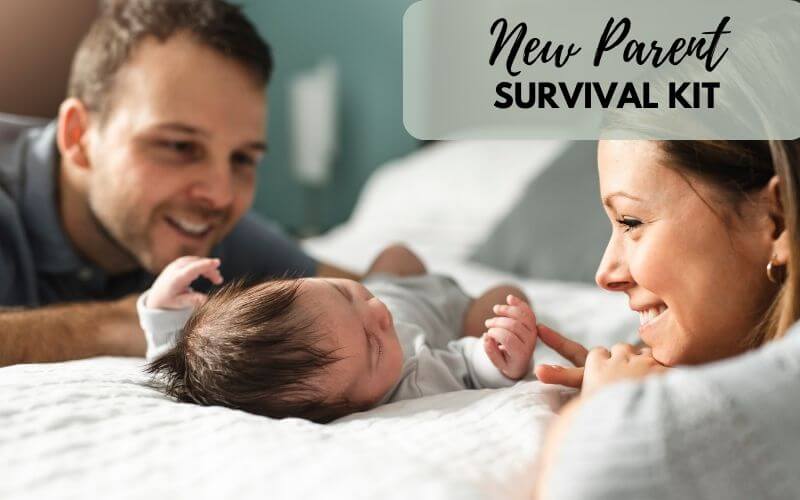
Bringing a newborn home is one of those experiences that no amount of reading fully prepares you for. The nappies, the night feeds, the sheer amount of gear that suddenly seems necessary, it can feel like a lot all at once. This guide pulls together the practical basics that actually help in those first few weeks and months, along with a few honest notes on what tends to matter less than the baby shops would have you believe. Keep your health visitor, midwife or GP in the loop for anything specific to your baby’s health or development, this is general guidance rather than medical advice.
Setting Up the Nursery: What Actually Matters
You don’t need a Pinterest-perfect nursery. You need somewhere safe for your baby to sleep, somewhere practical to change them, and somewhere comfortable for you to feed them at 3am without wanting to cry. That’s genuinely most of it.
For the cot or crib, look for one that meets current UK or EU safety standards (check for a BS EN 716 mark if you’re buying secondhand or from an unfamiliar brand). Use a firm, flat mattress with a well-fitted sheet, and skip the cot bumpers, pillows, duvets and soft toys for at least the first year. They look cosy in catalogues but they’re linked to a higher risk of suffocation. The NHS and most UK health visitors recommend room-sharing (not bed-sharing) with your baby for the first six months, so a Moses basket or crib that sits beside your bed is often more useful early on than the full nursery set-up.
A changing table is handy but not essential. A changing mat on top of a chest of drawers works just as well and saves space. Whatever you use, never leave your baby unattended on it, even for a second, and keep one hand on them if you turn away to grab something.
Baby-proofing properly can wait until your baby is closer to rolling and crawling, usually somewhere between four and nine months depending on the child. That said, it’s worth fitting socket covers and securing any obviously dangerous items (blind cords, for example) early, since it’s easier to do before you’re exhausted and short on time.
A monitor is genuinely useful once your baby is in their own room, less so while room-sharing. Audio monitors are cheaper and do the job for most families. Video monitors give peace of mind but check the security settings if it connects to your wifi, there have been cases of poorly secured baby monitors being accessed by strangers.
Nappies and Changing: Building a System That Works
Buy a small pack of newborn nappies before you commit to a big multipack. Newborns grow fast, and some babies skip the newborn size altogether if they’re born on the larger side. It’s a small saving that stops you sitting on a stack of unused nappies.
For the first few weeks, many health visitors suggest using cotton wool and warm water instead of wipes, since newborn skin can be quite sensitive. After that, fragrance-free, alcohol-free wipes are usually fine. If you notice redness or a rash, a barrier cream containing zinc oxide applied at each change can help, and leaving your baby’s bottom to air-dry for a few minutes now and then does more good than most creams.
Set up one changing station with everything within arm’s reach: nappies, wipes, cream, a couple of muslin cloths, and spare vests for the inevitable blowout. Keep a small back-up kit in the living room or downstairs too, so you’re not running upstairs every time. If nappy rash doesn’t clear within a few days, or looks blistered or broken, it’s worth getting your GP or health visitor to take a look, as it could be a fungal infection that needs a different treatment.
Feeding: Finding Your Rhythm
However you choose to feed your baby, breast, bottle, or a combination, what matters most is that your baby is feeding well and you’re getting support if you need it. Newborns typically feed 8 to 12 times in 24 hours, often in clusters, which is exhausting but normal.
If you’re breastfeeding, expect it to feel awkward at first. Most people do. A good nursing pillow, a couple of well-fitted nursing bras, and a large water bottle you keep refilling nearby make a real difference. If feeding is painful beyond the first few days, or your baby isn’t gaining weight as expected, contact your midwife, health visitor or a lactation consultant sooner rather than later. Small positioning tweaks often fix problems that feel unfixable at 2am.
If you’re bottle feeding, whether with formula or expressed milk, sterilise all feeding equipment until your baby is around 12 months old, and follow the instructions on the formula tin carefully, including using water that’s been boiled and cooled to around 70°C when making up a fresh feed. Paced bottle feeding, where you hold the bottle more horizontally and let your baby take breaks, can help prevent overfeeding and reduce wind.
Solid food generally starts around six months, guided by your baby showing signs of readiness (sitting up with some support, showing interest in food, losing the tongue-thrust reflex) rather than a specific date on the calendar. A high chair with a wipeable tray earns its keep here, and expect the first few weeks of weaning to be messier and less productive than you’d think. That’s normal too.
Sleep: What Helps and What’s Just Noise
Sleep is the topic every new parent asks about, and honestly, there’s no trick that makes a newborn sleep through the night. What you can do is stack the odds in your favour.
Always put your baby down to sleep on their back, on a firm flat surface, in a room that’s not too hot (around 16 to 20°C is the usual guidance, and a room thermometer is a cheap way to check rather than guessing). Swaddling can help settle a newborn, but stop swaddling the arms once your baby starts showing any signs of rolling, usually from around two to three months, as a swaddled baby who rolls onto their front is at higher risk. A well-fitted sleep sack with the correct tog rating for the season is a safer alternative once swaddling is off the table.
A simple, repeated bedtime routine (bath, feed, dim lights, a short song or story) helps signal that sleep is coming, even in the early weeks when your baby doesn’t yet understand day from night. White noise can help mask household sounds, but keep the volume moderate and the machine at least a couple of feet from the cot, some run louder than is comfortable for tiny ears.
Looking After Yourself, Not Just the Baby
It’s easy for your own needs to disappear entirely in the early weeks. Try not to let that happen completely, because you genuinely can’t run on empty for months on end.
Sleep when you can, even in short bursts, rather than saving housework for those windows. Accept help when it’s offered, and if people ask “let me know what you need”, give them something specific: a meal dropped off, an hour of holding the baby while you shower, a supermarket run. Vague offers rarely turn into real help unless you point them in a direction.
Keep an eye on how you’re feeling emotionally, and don’t dismiss it as “just tiredness” if it doesn’t lift. Baby blues in the first couple of weeks are common and usually pass on their own, but if low mood, anxiety, or feeling disconnected from your baby continues beyond a couple of weeks, or you’re having intrusive or frightening thoughts, speak to your GP or health visitor. Postnatal depression and anxiety are common, treatable, and nothing to be ashamed of.
Baby-Proofing as Your Baby Gets Mobile
Once your baby starts rolling, crawling and eventually walking, your house looks different through their eyes, and everything within reach becomes a potential hazard. This is the point to properly baby-proof rather than just doing the basics.
- Anchor furniture: Secure bookcases, chests of drawers and the TV to the wall. Pulling on furniture to stand up is a common cause of tipping accidents.
- Lock up hazards: Cabinet locks on anything containing cleaning products, medicines or small sharp objects. Keep these stored up high as a backup, locks aren’t foolproof.
- Fit stair gates: At the top and bottom of stairs, and check they’re properly fitted rather than just wedged in place.
- Check for small objects: Coins, button batteries and small toy parts are a genuine choking risk. Get down to floor level and have a look around from your baby’s height.
Holding On To the Small Moments
The early months move faster than they feel like they will at 4am. A quick note in your phone about a funny milestone, a few photos that aren’t posed, a set of handprints done with washable paint on a lazy Sunday afternoon, none of this needs to be elaborate to matter later. You won’t remember every detail, and that’s fine, but a handful of small records go a long way.
Last Thoughts
Nobody feels fully ready for this, no matter how much they’ve read or prepared. You’ll get things wrong, you’ll second-guess yourself, and some days will feel like survival more than parenting. That’s normal, and it doesn’t mean you’re doing it badly. Lean on the people around you, ask for help without guilt, and trust that you’ll figure out your own way through it, because you will.
Share This Story, Choose Your Platform!


Latest Post


Latest News To Your Inbox
Subscribe to hear about our latest blog posts, competitions and special offers.