
How to Help Your Baby Learn to Walk
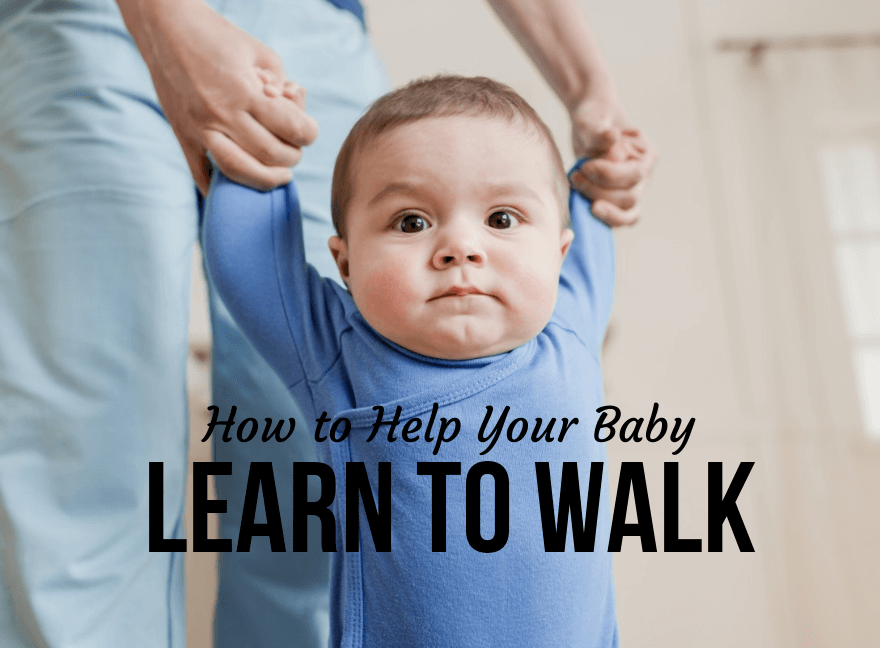
Hey there, fellow parents and caregivers! Is there anything more heartwarming and exciting than witnessing your baby take those first wobbly steps towards independence? Nope, I don’t think so! If you’re eagerly awaiting the moment your little one starts their walking journey, you’re in the right place. In this ultimate guide, we’ll dive deep into the wonderful world of helping your baby learn to walk. From those adorable early attempts to sturdy strides, we’ve got you covered.
Setting the Stage for Walking Success
Before we embark on this adventure, remember that each baby has their own pace and style. Don’t rush the process – it’s all about embracing every wobbly moment. Now, let’s roll up our sleeves and start the walking prep!
1. Building Strength and Confidence
- Tummy Time: Encourage regular tummy time to strengthen neck and core muscles, crucial for crawling and eventually walking.
- Rolling Over: Help your baby practice rolling from tummy to back and back to tummy. This movement enhances balance and coordination.
- Sitting Practice: Once your baby can sit unassisted, they’re on their way to standing.
2. Cruising and Standing
- Cruise Control: Your baby might start pulling up to stand while holding onto furniture. This “cruising” phase builds leg muscles.
- Sturdy Support: Provide stable surfaces like low couches or ottomans for your baby to practice standing.
- Hold Their Hands: Offer your hands for support as your baby takes those first shaky steps.
3. Selecting the Right Gear
- Push Toys: Choose sturdy push toys that offer support while your baby practices walking.
- Activity Walkers: Invest in activity walkers designed to help your baby stand and take steps while engaging with interactive toys.
Practical Tips for Walking Success
1. Create a Safe Environment
- Clear Pathways: Ensure clear and clutter-free areas for your baby to explore without obstacles.
- Safe Zones: Baby-proof your home to minimize hazards during your baby’s walking adventures.
2. Encouraging Those First Steps
- Hand-Holding: Gently hold your baby’s hands and encourage them to take steps towards you.
- Walking Toys: Use toys that encourage walking, like rolling balls or moving animals.
3. Be Your Baby’s Cheerleader
- Clap and Celebrate: Celebrate every step, stumble, and giggle. Your excitement boosts their confidence.
- Praise and Hugs: Shower your baby with praise and affection for their efforts.
Navigating the Challenges
1. The Fear of Falling
- Cushion the Fall: Create a safe environment with soft surfaces to minimize the impact of falls.
- Embrace Bumps: Some falls are inevitable and part of the learning process. Your comforting presence matters more than the falls themselves.
2. Frustration and Patience
- Stay Patient: Learning to walk is a big task. Your baby might experience moments of frustration. Stay patient and provide reassurance.
- Offer Diversions: Distract your baby with toys or activities when they seem frustrated or hesitant.
Shoes or No Shoes?
- Barefoot Bliss: Experts suggest letting your baby walk barefoot indoors, as it helps develop balance and coordination.
- Soft Shoes: When heading outdoors or to rough surfaces, opt for soft, flexible shoes that mimic barefoot walking.
Embrace the Journey: Baby’s First Steps
As you support your baby’s walking journey, remember that each milestone is a small victory. Enjoy the laughter, the falls, and the triumphant steps. Your encouragement and guidance make all the difference. And soon enough, you’ll be chasing after your little walker as they explore the world on two feet!
Share This Story, Choose Your Platform!


Latest Post


Latest News To Your Inbox
Subscribe to hear about our latest blog posts, competitions and special offers.