How to Choose Halloween Costumes for Mom and Baby

Halloween With a Baby: What Actually Matters When Picking Costumes
Halloween with a baby is a completely different experience to Halloween with a toddler or older child. Your little one won’t remember any of it, but you will, and the photos will last forever. If you’re hoping to dress up as a pair (or a whole family), there are a few practical things worth sorting out before you fall in love with a costume online.
Safety and comfort come before cute
This is the bit that gets skipped in a lot of costume guides, but it matters more than the theme you pick. Babies can’t tell you a costume is scratchy, too hot, or digging into their neck, so it’s on you to check.
- Skin sensitivity. Cheap costume fabric is often synthetic and can irritate sensitive skin, especially anything with sequins, glitter glued on, or scratchy trims. If your baby has eczema or reacts to new fabrics, do a short test-wear at home first, and speak to your health visitor or GP if you’re not sure about a particular material.
- Overheating. Babies don’t regulate their body temperature as well as adults, and a lot of costumes are one thick layer on top of another. If you’re trick-or-treating outdoors in the cold, dress your baby in their normal warm layers underneath and use the costume as the outer layer, rather than piling a padded costume on top of a snowsuit.
- Choking and strangulation hazards. Avoid costumes with buttons, small decorations, or long ribbons and drawstrings around the neck. Full face masks aren’t suitable for babies at all, and hoods or hats should be loose enough not to restrict breathing or vision.
- Sizing. Buy at least one size up from your baby’s current size. Costumes are often bought weeks in advance, and babies grow fast, so what fits now might be snug by 31 October.
- Visibility. If you’re heading out after dark, even for a short walk, a bit of reflective tape on the pram or a small clip-on light helps drivers and other pedestrians see you.
If your baby seems unsettled in a costume on the day, it’s absolutely fine to skip it. A cute onesie and a simple headband (a set of ears, a little hat) will still look great in photos and cause zero fuss.
How closely do you want to match?
There’s a difference between “matching” outfits and “coordinated” ones, and it’s worth deciding which you’re after before you start browsing, because it changes what you search for.
Matching costumes usually mean you and your baby are dressed as versions of the same character, like a Mario and mushroom pairing, or two halves of a well known duo. Coordinated costumes are looser: you might go as a scarecrow while your baby is dressed as a little pumpkin, or you’re a beekeeper and your baby is the bee. Coordinated themes tend to be more comfortable for your baby, since you’re not trying to force a matching outfit onto a body shape it wasn’t designed for.
Pinterest and Etsy are both good places to browse ideas once you know roughly which direction you want to go. Etsy in particular has a lot of small makers doing soft, baby-friendly versions of costumes that big retailers don’t always get right.
Searching for costumes: a couple of shortcuts
If you’re shopping online, add “baby girl” or “baby boy” to your search terms only if you actually care about gender-specific styling. A lot of the cutest baby costumes (pumpkins, animals, storybook characters) are genuinely unisex, so narrowing your search too early can mean missing out on good options. If you’re not fussed either way, skip the gender filter altogether and just search by theme.
Buy or DIY?
Ready-made costumes are the easiest option but they can add up quickly, especially if you’re kitting out the whole family. Before you spend money you don’t have spare, it’s worth remembering that some of the best-looking Halloween photos come from the simplest homemade ideas.
A DIY costume doesn’t need to be complicated. A onesie with felt shapes glued or stitched on, a soft hat with fabric ears, or a plain sleepsuit dyed or painted to look like an animal can look just as good as a shop-bought outfit, for a fraction of the cost. A few sites worth a look for genuinely doable ideas:
- Cool Mom Picks: creative DIY baby costumes you can actually make
- Mighty Moms Club: DIY baby costumes for under $5
- Brit + Co: DIY mom and baby Halloween costume ideas
If you do go the DIY route, use soft, breathable fabric (cotton jersey is a good option) and avoid hot glue or pins anywhere near your baby’s skin. Sew things on properly if you can, or use fabric glue that’s fully dry and set before your baby wears it.
Borrowing and recycling costumes
Baby costumes barely get worn before they’re outgrown, which makes them perfect for passing around. Ask friends, relatives, or your local NCT or baby group if anyone has costumes their child has grown out of. You might get something in great condition for free, and you can return the favour next year when your baby’s costume gets handed on too. Just give anything secondhand a proper wash before it touches your baby’s skin.
Costume ideas that actually work for a baby
Some themes translate better than others once you factor in comfort and the fact that your baby will probably be in a pram or carrier for part of the evening. A few reliable ones:
- Food themes. Pumpkin, avocado, pea in a pod, or a full family “breakfast” set (bacon, eggs, toast). Soft, padded, and genuinely comfortable for a baby to wear or sleep in.
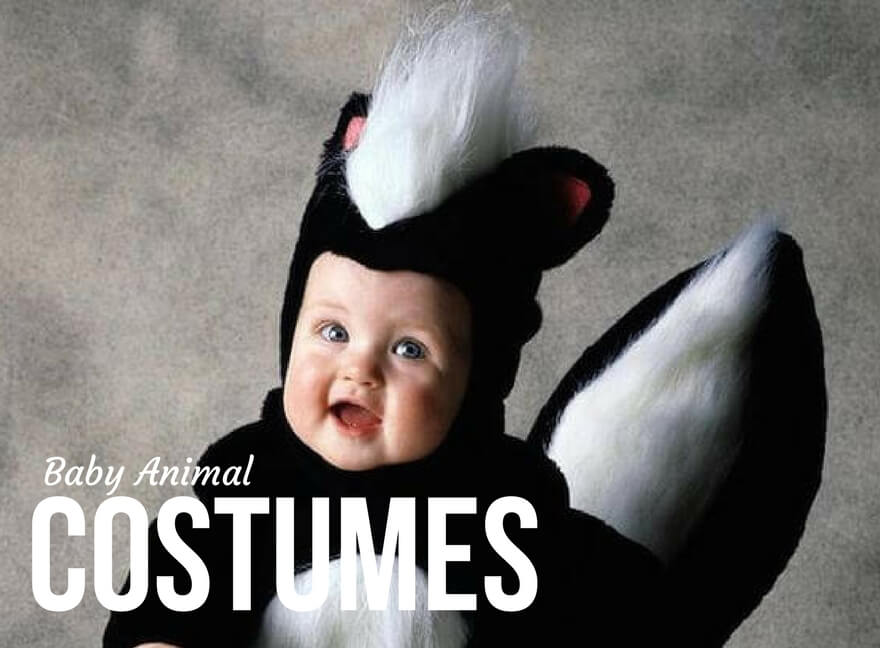
- Animals. Lion, bee, ladybird, dinosaur. Usually made from soft fleece with a simple hood, which is warm without being restrictive.
- Storybook or film characters. Dorothy and a little lion or scarecrow, Snow White and one of the dwarfs. Good for coordinated rather than identical looks.
- Simple occupation costumes. A tiny doctor, chef, or firefighter outfit paired with a normal adult version of the same. Easy to find secondhand and easy to reuse as dress-up clothes afterwards.
Whatever you choose, try to pick something your baby can also just sit and nap in comfortably. Realistically, a chunk of Halloween evening involves your baby falling asleep in the pram or being carried around half-dressed in their costume, and that’s completely normal.
A few practical tips for the day itself
Do a trial run a day or two before Halloween. Pop the costume on for ten or fifteen minutes at home so you can see how your baby reacts, check nothing rubs or scratches, and get your photos done while everyone’s calm and well rested. It also means if something doesn’t fit right or causes a reaction, you’ve got time to swap it or make changes.
Try to time trick-or-treating or any outing around your baby’s usual nap and feeding schedule rather than the other way round. An overtired, overheated baby in a costume is not going to give you the smiling photo you were hoping for.
Halloween with a baby doesn’t need to be complicated or expensive. A comfortable, well-fitting costume, a bit of planning around naps and weather, and realistic expectations about how much of the evening will actually go to plan will get you further than any elaborate outfit. Happy costume hunting, and don’t forget to check in with your health visitor or GP first if you’re ever unsure about a fabric or fit for your baby’s skin.
Share This Story, Choose Your Platform!


Latest Post

Latest News To Your Inbox
Subscribe to hear about our latest blog posts, competitions and special offers.