
8 Foods That Could Be a Choking Hazard for Your Baby
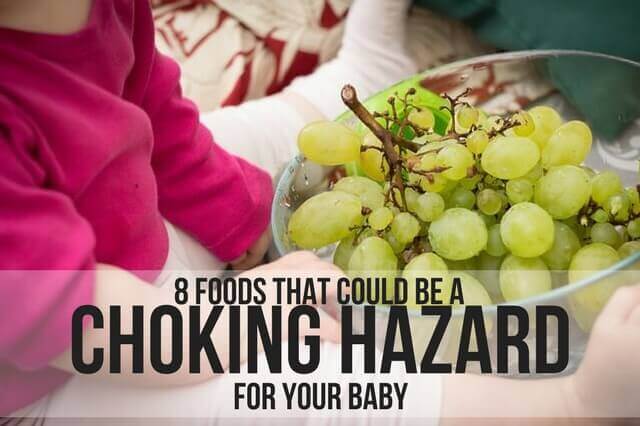
Choking is one of the biggest fears new parents have about feeding their baby, and for good reason. Babies and toddlers don’t yet have a full set of molars, their chewing and swallowing coordination is still developing, and their airway is small. Put those things together and it’s easy to see why certain foods need extra care, whether you’re spoon feeding purées, doing baby led weaning, or moving on to toddler meals.
The American Academy of Pediatrics has long flagged choking as a serious cause of injury and death in young children, and food is one of the most common culprits, alongside toys, coins and other small household objects. The good news is that most food related choking incidents are preventable once you know which foods to avoid, cut down, or hold off on until your child is a bit older.
This isn’t about scaring you off feeding your baby real food. It’s about knowing which foods need modifying (cutting, cooking, mashing) and which ones are genuinely best left for later. As always, if you have any concerns about your own child’s feeding, chewing or swallowing, speak to your health visitor, GP or paediatrician. This article is general guidance, not medical advice tailored to your child.
A few ground rules before you start
Before we get into specific foods, a handful of habits make a bigger difference to choking risk than almost anything else:
- Always have your baby sitting upright in a high chair or on your lap, never lying back, slouched, or reclined in a car seat or bouncer while eating.
- Stay in the room and actually watch your baby eat. Choking is usually silent, not the loud coughing and gasping you see in films, so you need eyes on your child, not just ears.
- Don’t let toddlers eat while walking, running, or playing. A sudden fall or laugh with food in the mouth is a common way choking happens.
- Cut food into pieces no bigger than a pea or the size of your baby’s little fingernail, especially for round or hard foods.
- Cook hard vegetables and fruits until they’re soft enough to squash easily between your finger and thumb.
With that in mind, here are eight foods that are worth extra care, and how to serve them more safely.
1. Carrots
Carrots are genuinely great for babies, packed with beta carotene and easy to grow to love, but raw carrot is hard and can splinter into shapes that lodge in a small throat. Cook carrots until they’re soft enough to mash with a fork, or shred them very finely if you want to offer them in a more textured, baby led weaning style. Hold off on raw carrot sticks or coins until your child is chewing confidently and has a good set of back teeth, generally not before age 3 to 4.
2. Grapes
Grapes are one of the most frequently mentioned choking hazards for a reason. They’re smooth, round, and roughly the size and shape of a small airway, which means a whole grape can form an almost perfect seal if swallowed the wrong way. Always quarter grapes lengthways for babies and toddlers, not just in half, and keep doing this until your child is around 4 or 5 and chewing well. The same goes for other small, round grape-like fruits such as blueberries if your baby tends to swallow rather than chew.
3. Cherry tomatoes
Cherry tomatoes are a good source of vitamin C and lycopene, and toddlers often like grabbing them as finger food. The trouble is the skin can be quite slippery, which makes them easy to swallow whole. Quarter them rather than just halving, particularly for the larger cherry or baby plum varieties, and squash them slightly with a fork for younger babies who are still new to solids.
4. Melon balls
Watermelon, cantaloupe and honeydew are refreshing and popular with babies, but melon ballers create the exact round shape that’s hardest for little ones to manage safely. If you like using a baller for presentation, always cut the balls in half or quarters afterwards. For babies under about 12 months, thin slices or small soft chunks are a safer way to serve melon than round pieces.
5. Celery
Celery’s stringy fibres are the main issue here. They don’t break down easily when chewed and can catch in the throat, and raw celery is also quite hard. If you’re offering celery, cook it until soft and chop it very finely, or blend it into soups and sauces rather than giving sticks. Most parents wait until closer to 8 to 12 months to introduce celery at all, and raw celery sticks are best avoided for toddlers under 4.
6. Apples
Raw apple is hard, and a chunk that breaks off can be surprisingly large and awkward for a baby to manage. You’ve really got two safe options: cook the apple down into a soft purée or stewed apple (homemade also means no added sugar, unlike a lot of shop bought pouches), or, for older babies who are chewing well, grate raw apple very finely rather than giving slices or wedges.
7. Whole nuts and nut pieces
Whole nuts, nut pieces, and chunks of nut butter straight off a spoon are all choking risks because of their shape, hardness and the fact toddlers often don’t chew them properly before swallowing. Current guidance in the US and UK actually distinguishes between introducing peanut and tree nut products (which can help reduce allergy risk when done early, usually from around 6 months, and often specifically recommended for babies with eczema or existing allergies) and giving whole nuts, which should be avoided until around age 4 or 5. If you want to offer nut butter, spread it thinly on toast or stir a small amount into porridge or yoghurt rather than giving it by the spoonful. Always check with your GP, health visitor or paediatrician before introducing nut products if your baby has eczema, a known food allergy, or a family history of nut allergy.
8. Marshmallows
Marshmallows might seem harmless because they’re soft, but that softness is exactly the problem. They compress and mould to the shape of the airway rather than breaking apart, which makes them surprisingly hard to dislodge if they get stuck. They also have very little nutritional value, so there’s not much reason to rush into offering them. It’s sensible to skip marshmallows entirely for babies and young toddlers, and even with older children, cut them up rather than giving them whole.
Other foods worth knowing about
The eight above are commonly flagged, but they’re not the only foods to watch. Popcorn, hard sweets, chewing gum, whole hot dogs or sausages, large chunks of cheese or meat, and thick globs of peanut butter are all frequent causes of choking incidents in young children and are generally best avoided or heavily modified until your child is older and chewing confidently. Honey also deserves a separate mention: it shouldn’t be given to babies under 12 months at all, not because of choking but because of the risk of infant botulism.
Learning CPR and first aid
However careful you are, it’s worth knowing what to do if a choking emergency happens. Reading about back blows and abdominal thrusts online is not the same as practising them, so a proper hands on class makes a real difference to your confidence. Organisations such as the Red Cross run baby and child first aid courses regularly, often quite affordably, and many run online or in person options depending on where you live. It’s a good idea for both parents, and any regular carers such as grandparents or a childminder, to take a course.
To get a sense of what’s involved before you book a class, this video from CPR Kids TV is a useful starting point:
Choking is genuinely frightening to think about, but a bit of preparation goes a long way. Cut food appropriately, supervise every meal, avoid the highest risk foods until your child is ready, and take a first aid course so you feel confident rather than panicked if something does happen. That combination covers most of what’s within your control as a parent.
For more on feeding your baby safely and well, read our guide to Healthy Food for Babies Under 1 Year.
Share This Story, Choose Your Platform!


Latest Post

Latest News To Your Inbox
Subscribe to hear about our latest blog posts, competitions and special offers.