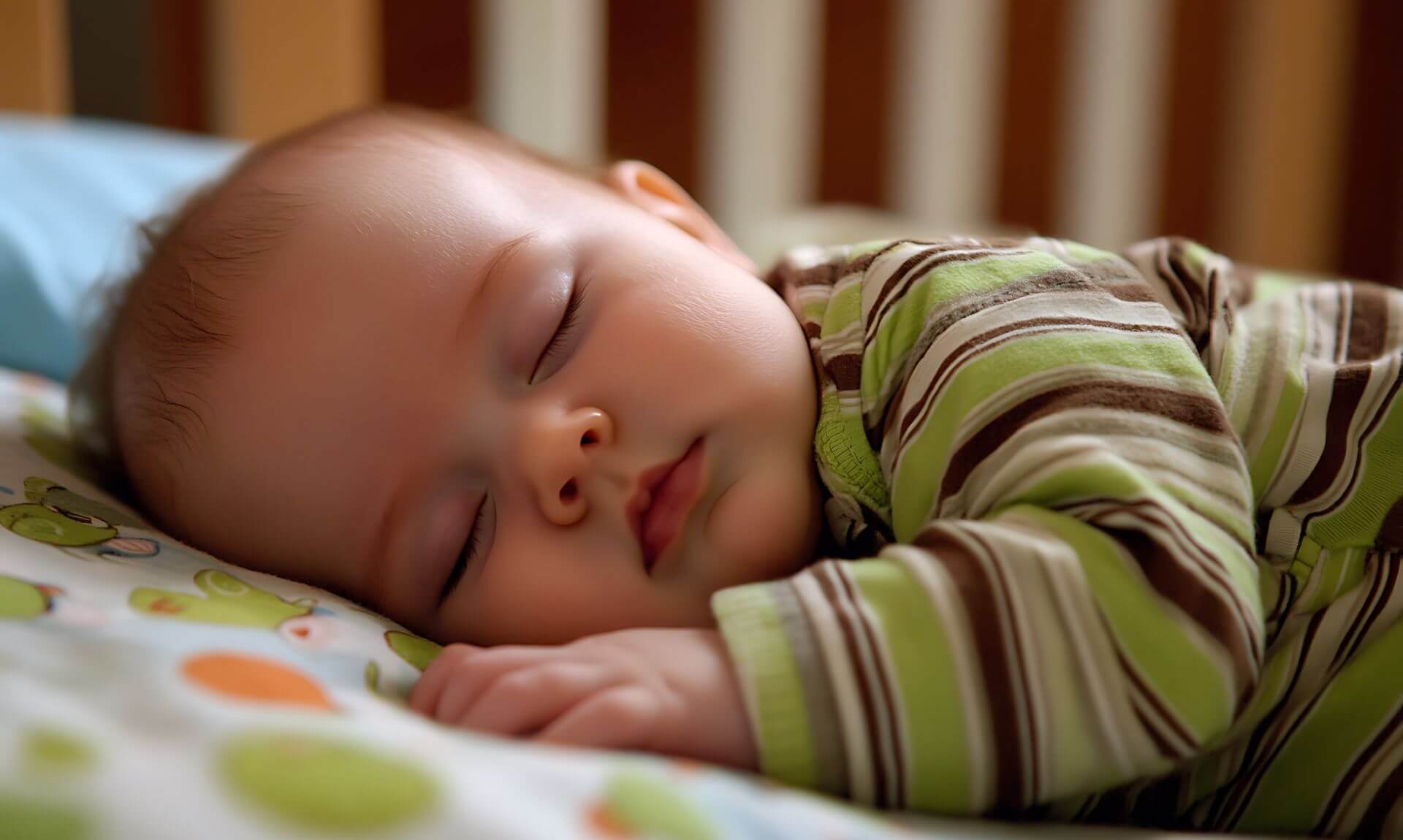
Can a Book Put Your Kid to Sleep? Thousands of Parents Hope so.

If you’ve spent any time in a parenting group online, you’ve probably seen someone recommend a book that supposedly knocks their toddler out cold within minutes. It sounds too good to be true, and in some ways it is, but there’s more going on with bedtime stories than simple wishful thinking. Let’s look at what actually helps, what the “sleepy books” trend gets right, and how to build a bedtime story habit that genuinely makes bedtime easier.
Why Bedtime Stories Actually Help
A book itself doesn’t have magical sleep powers. What it does really well is act as a reliable cue. Young children’s brains love predictability, and a story read at the same time, in the same spot, in a calm voice, tells their body “this is the bit before sleep.” Over weeks of repetition, that cue becomes part of their internal routine, similar to how a bath or a particular song signals wind-down time.
This is basic sleep association, and it’s one of the few bits of sleep advice that health visitors and paediatric sleep specialists generally agree on: consistency matters more than the specific book you choose. So if your child has a favourite that you’ve read four hundred times, that repetition is doing real work, even if the story itself is nothing special.
What About Books Like “The Rabbit Who Wants to Fall Asleep”?
This one deserves a proper explanation because it’s often talked about as if it’s some kind of secret hack. The book, written by Swedish psychologist Carl-Johan Forssén Ehrlin, uses a few specific techniques: certain words are printed in bold for the parent to emphasise, there are built-in prompts for the reader to yawn (which can genuinely trigger a contagious yawn in a listening child), and the language is deliberately slow, repetitive and relaxation focused, similar to techniques used in hypnotherapy scripts for adults.
It’s a clever idea and plenty of parents swear by it. But it’s worth being honest here too: there isn’t strong independent clinical evidence proving it works better than any other calm, repetitive bedtime story read slowly in a soft voice. Some children respond really well to it. Others find the unusual pacing or the direct instructions (“now you feel your eyes getting heavy”) a bit odd or even mildly unsettling. If you try it and it doesn’t land, it doesn’t mean you’re doing bedtime wrong. It just means that particular book isn’t the right fit for your child.
What Actually Makes a Book Good for Bedtime
You don’t need a special “sleep book” to get the same calming effect. Look for a few practical features when you’re choosing:
- Repetitive phrases or refrains. Books like Goodnight Moon use the same structure again and again, which is soothing precisely because there are no surprises left by the tenth read.
- A slow, steady rhythm to the sentences. Short, simple sentences that you can read in an unhurried, almost sing-song way work better than dense or plot-heavy text.
- Muted, uncomplicated illustrations. Bright, busy pictures can actually be a bit stimulating right before lights out. Soft colours and simple scenes keep things calm.
- A gentle ending, not a cliffhanger. Save the exciting adventure stories for daytime. Bedtime books should wind down towards a quiet, resolved final page rather than leaving your child wondering what happens next.
How You Read It Matters As Much As What You Read
Parents often focus entirely on picking “the right book” and overlook how much of the calming effect comes from delivery. Try slowing your pace down more than feels natural, dropping your volume slightly towards the end, and resisting the urge to do big voices or exciting cliffhangers in the last few pages. Dim the lights before you start reading rather than after, since bright light in the last half hour before bed can genuinely delay melatonin release and make settling harder, regardless of how soothing the story is.
Age by Age: What Tends to Work
For babies and young toddlers, board books with very simple, repetitive text work best (think Goodnight Moon or The Going to Bed Book by Sandra Boynton). They’re short enough to hold attention without overstimulating.
For toddlers and preschoolers, longer stories with a clear rhythm are great, such as Guess How Much I Love You or Time for Bed by Mem Fox. Many children this age also like having some choice, so offering two or three approved “calm” books to pick from at bedtime can head off the nightly negotiation over which book gets read.
For children who are a bit older and want longer stories, it’s worth having one calm option and one more exciting option, and simply saving the exciting one for earlier in the routine, with the calmer book always coming last, right before lights out.
Building It Into a Real Routine
A single book rarely fixes bedtime on its own if the rest of the routine is inconsistent. Reading works best as one predictable step in a short sequence, for example bath, pyjamas, teeth, one or two books, then lights out at roughly the same time each night. Trying to keep that sequence within a fairly consistent 20 to 30 minute window, even at weekends, makes a noticeable difference over a few weeks.
It’s also worth keeping screens out of that last half hour if you can. Swapping a tablet or TV show for a book isn’t just about the story itself, it’s about removing the blue light and stimulation that can make it harder for a child’s body to wind down.
When a Book Isn’t the Answer
Bedtime stories are a lovely, low pressure tool, but they’re not a fix for genuine sleep difficulties. If your child is regularly taking a long time to settle, waking frequently through the night, or you’re concerned about snoring, breathing pauses, or excessive daytime tiredness, it’s worth having a chat with your health visitor or GP rather than relying on a routine tweak. Persistent sleep problems sometimes have an underlying cause that’s worth ruling out, and a professional can point you towards strategies suited to your specific child.
The Bit That Actually Matters Most
Whether or not any particular book has a special sleep-inducing effect, the ten minutes you spend close together, voices low, world shrunk down to just the two of you and a story, is doing something valuable regardless of the outcome that night. Some evenings it’ll work like a charm. Other evenings your child will ask for “one more book” for the fourth time and you’ll wonder if any of this is helping at all. Both are completely normal. Keep the routine consistent, pick books you don’t mind reading on repeat, and give it time. That’s really the whole trick.
Share This Story, Choose Your Platform!



Latest Post

Latest News To Your Inbox
Subscribe to hear about our latest blog posts, competitions and special offers.